LANL posts new waste-treatment monitoring report in public reading room
LANL added a first-quarter 2026 waste-treatment monitoring report to its public reading room, giving residents another look at how radioactive liquid waste is tracked.
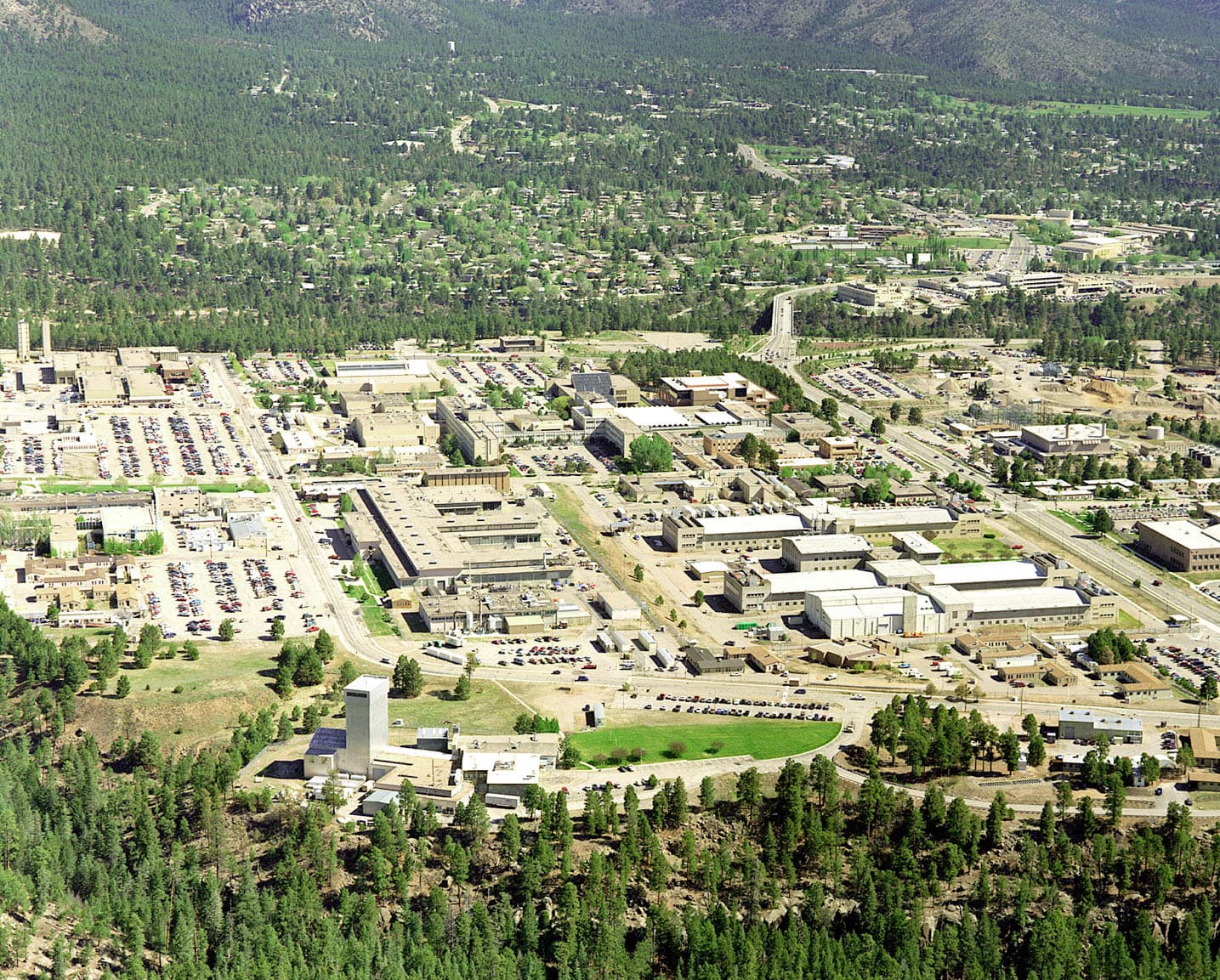
Los Alamos National Laboratory quietly posted DP-1132, a first-quarter 2026 monitoring report for the Radioactive Liquid Waste Treatment Facility, to its Electronic Public Reading Room on May 4. The posting matters less for any drama than for what it represents: another required environmental document moved into public view for a site whose waste handling and reporting remain under close scrutiny in Los Alamos County.
LANL describes the Electronic Public Reading Room as the repository for documents required for compliance with environmental regulations and permits. The laboratory says the site is updated as new documents are received, and that records added within the last 30 days can be found through a “New Records in EPRR” link. That makes the reading room one of the main public windows into the routine paperwork that tracks how the lab documents environmental obligations, not just a one-time archive.
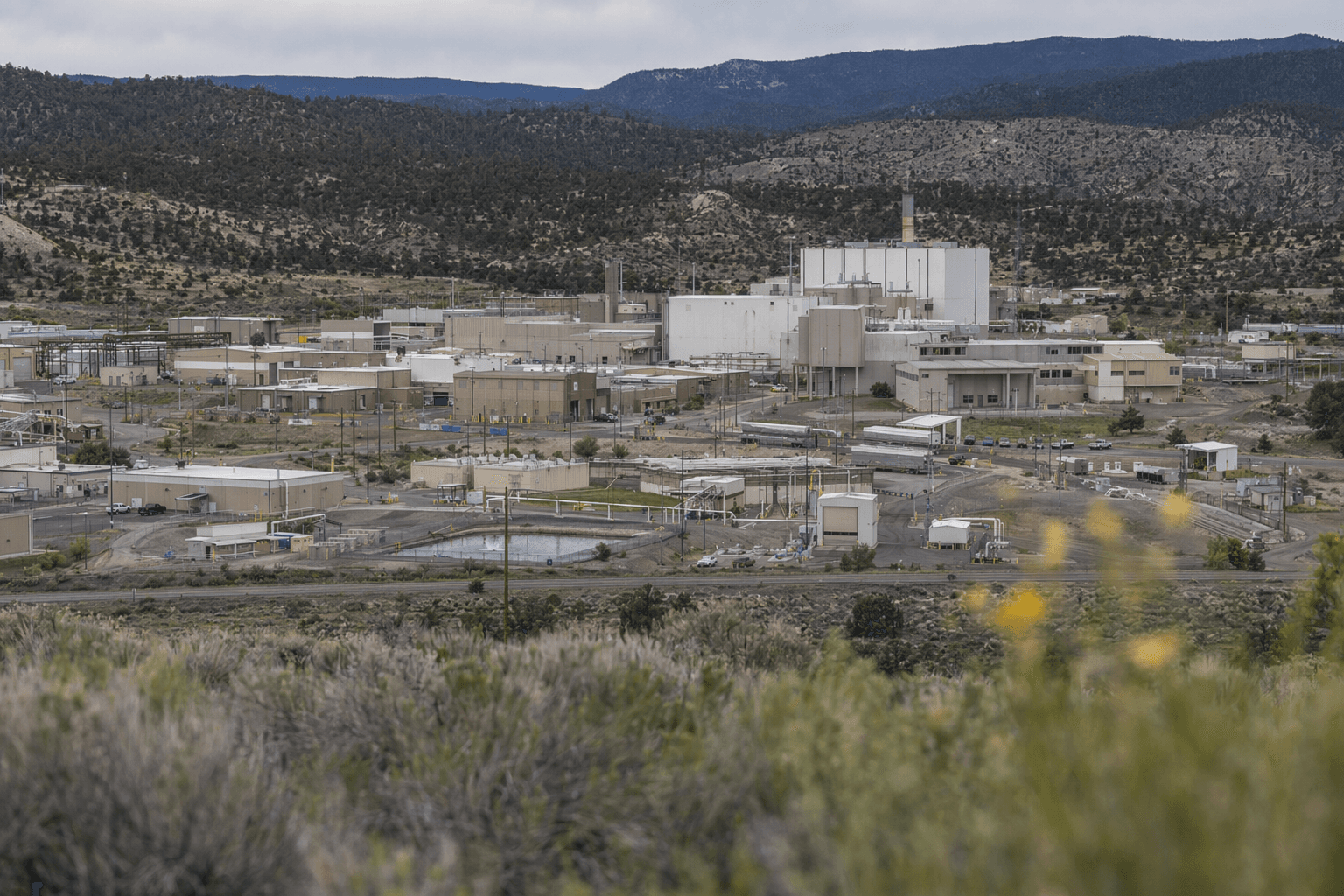
The facility behind the new report is not a minor piece of the lab’s infrastructure. New Mexico Environment Department materials describe the Radioactive Liquid Waste Treatment Facility as a wastewater treatment facility within Los Alamos National Laboratory, about 1.5 miles south of Los Alamos in Los Alamos County. The fact sheet says it receives and treats radioactive liquid waste from waste-generating locations at LANL. It also says treated water may be discharged through the Mechanical Evaporator System and Solar Evaporative Tank at TA-52, with some discharge authorized through a U.S. Environmental Protection Agency-issued NPDES permit.
The permit history shows why each new monitoring filing attracts attention. NMED records cite a public hearing on DP-1132 on April 19, 2018, and a June 18, 2019 Water Quality Control Commission ruling that the hearing officer’s job application and hiring by one of the parties created an improper appearance of bias that could have affected the permit process. DP-1132 was later issued on May 5, 2022 by the acting division director of the Water Protection Division.
The latest reading-room entry does not itself signal a new problem at the facility, and it does not summarize any unusual finding. It does, however, add another quarter of paperwork to the public record at a time when LANL remains under active environmental oversight. NMED issued administrative compliance orders to the laboratory on February 11, 2026 in unrelated matters, underscoring how closely state regulators continue to watch the site. For Los Alamos County, the significance is in the steady paper trail: the lab keeps publishing monitoring documents, and the public keeps a way to track how radioactive liquid waste is managed, treated and reported.
This article was produced by Prism’s automated news system from verified source data, official records, and press releases, then run through automated quality and moderation checks before publishing. The system is built and supervised by the people who set the standards it runs under. Read our full AI policy.
Did this article answer your question?