Leadership Los Alamos tackles housing and business growth challenges
A breakfast burrito session at Research Park exposed Los Alamos’ real growth choke point: too little housing, too little room for workers, and too much opportunity slipping away.
Research Park turns a housing debate into an economic warning
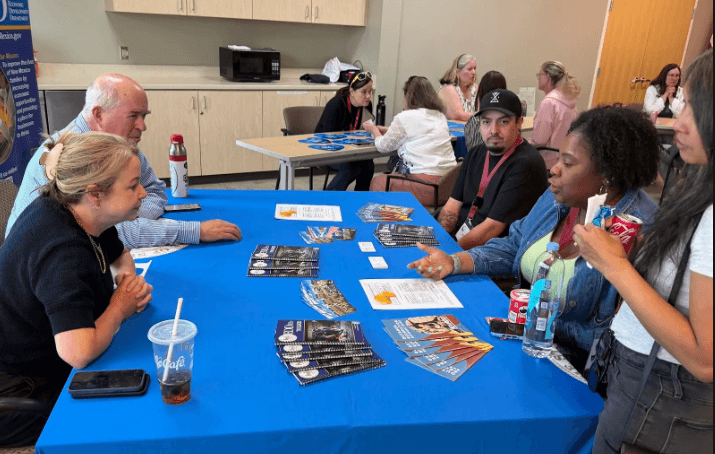
The morning at Los Alamos Research Park began with breakfast burritos from Hot Rocks, but the larger message was less about hospitality than capacity. Leadership Los Alamos used its Economic Development session to show how housing, business climate, and infrastructure are all linked in a county where the biggest barrier to growth is not demand, but the ability to support the people behind it.
That is why Dan Osborn, the county’s housing coordinator, mattered to the conversation. When a workforce problem becomes a housing problem, and a housing problem becomes a business problem, the county is no longer talking about one policy area. It is confronting the bottlenecks that decide whether employers can expand, whether workers can stay, and whether local services can keep up.
Housing is the clearest constraint
Los Alamos County’s own economic development materials make the point directly: housing is not a side issue, it is a critical priority. The county says its Economic Development Division supports communications, intergovernmental economic development relations, housing, local business support, tourism, and marketing, which tells you how closely it ties livability to growth.
The county’s updated Affordable Housing Plan puts hard numbers on the challenge. It calls for 1,300 to 2,400 new housing units between 2024 and 2029. That target helps explain why housing keeps surfacing in local leadership discussions. Without enough homes at the right price points, the county cannot reliably house the teachers, technicians, service workers, managers, and scientists who keep the local economy functioning.
The scale of the gap becomes clearer when those housing goals are set against recent activity. Los Alamos County reported issuing 737 residential building permits in 2024, and its housing pipeline page says county-supported projects since 2019 total 1,169 units. Those figures show momentum, but they also show how much is still required to match the county’s own housing outlook. Permits and pipeline projects are progress; they are not yet the same as a housing market that can absorb the county’s full workforce needs.
The cost of inaction shows up in who can live and work here
This is where the story moves beyond planning and into economics. If a county cannot add enough housing, it narrows the pool of workers who can take local jobs, and that makes it harder for employers to scale up or replace staff. In Los Alamos, that can mean a business has the work, but not the people; a restaurant has demand, but not enough employees; or a professional office can recruit talent, but not persuade that person to move.
That tradeoff matters because local economic growth depends on more than office space. It also depends on whether shops have customers nearby, whether service businesses can find labor, and whether younger workers can see a future in the community. When housing supply lags, the county risks losing not just individual residents, but the next layer of employers and retail options that make a town feel complete.
The Leadership Los Alamos session captured that logic by putting housing in the same frame as business development. It was not just a discussion about how to build more units. It was a reminder that every delayed home can become a delayed hire, a missed expansion, or a commute that pushes talent to settle somewhere else.
Research Park is the symbol and the test case
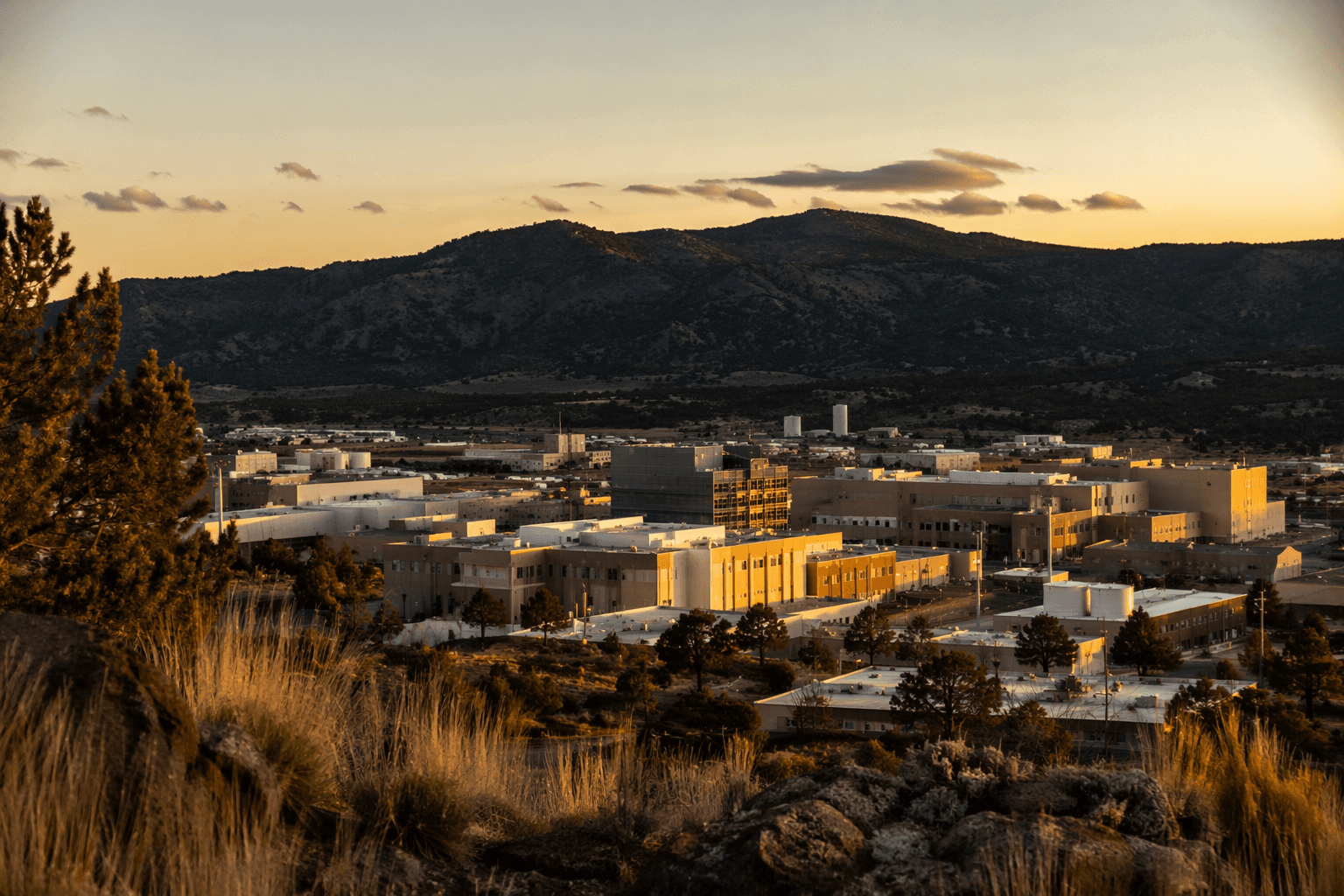
The setting for the session was not accidental. Los Alamos Research Park sits on a 44-acre property on West Jemez Road, adjacent to Los Alamos National Laboratory and leased through 2054. Its master plan allows for five buildings, up to 450,000 square feet, and housing for as many as 1,500 employees. That makes it one of the clearest physical expressions of the county’s ambition to connect science-based employment with local economic growth.
In other words, the county is not short on institutional scale. It has a major national laboratory next door, a research park designed to support business activity, and a civic ecosystem built to channel that activity into the community. The problem is whether the rest of the system, especially housing and practical infrastructure, can keep pace with that scale.
That is why Research Park works so well as a backdrop for this conversation. It sits at the intersection of employment, development, and the housing question. A park that can accommodate 1,500 employees is only part of the equation if those employees cannot find somewhere to live in the county or nearby. For Los Alamos, the geography of growth is inseparable from the geography of housing.
The county’s business climate is built around overlap
The session also revealed how tightly Los Alamos’ economic institutions overlap. Los Alamos Commerce and Development Corporation sponsored the breakfast burritos, and that detail says a lot about how local business groups, civic programs, and county priorities operate in the same small space. LACDC also runs the Chamber, MainStreet, Discover Los Alamos, projectY cowork, and Research Park, which means the county’s business ecosystem is stitched together rather than siloed.
That structure can be an advantage because it allows leaders to coordinate housing, promotion, downtown vitality, coworking, and business support. But it also shows how fragile the system can be if one piece falls behind. A county can market itself well, host entrepreneurs, and build a stronger local business culture, yet still lose growth if the housing market cannot absorb the workforce those efforts attract.
The county’s 2025 Strategic Leadership Plan reinforces that point by naming housing, local business, downtown revitalization, and economic vitality as core priorities. That is not the language of a county treating housing as a social checkbox. It is the language of a community treating housing as infrastructure for economic survival.
What Leadership Los Alamos surfaced
Leadership Los Alamos is designed to give participants a wider view of how the county works, and the Economic Development session fit that purpose precisely. By bringing the class to Research Park, then into a housing discussion with Dan Osborn, the program showed that economic development in Los Alamos is not one issue moving in a straight line. It is a system of connected constraints, where one shortage quickly becomes another.
That is the central lesson for Los Alamos County right now. The county has the institutions, the demand, and the strategic assets to grow, but growth still runs into the same wall: there are not yet enough homes, enough room, or enough flexibility for the economy the community says it wants. Until that changes, the biggest economic development story in Los Alamos will remain the same one this session put on the table, the struggle to turn opportunity into a place where people can actually stay.
This article was produced by Prism’s automated news system from verified source data, official records, and press releases, then run through automated quality and moderation checks before publishing. The system is built and supervised by the people who set the standards it runs under. Read our full AI policy.
Did this article answer your question?