Los Alamos Insurance Agent Explains How Wildfire Risk Is Reshaping Homeowners Coverage
A Los Alamos insurance agent is warning that wildfire risk is fundamentally changing what homeowners coverage looks like across the Southwest.
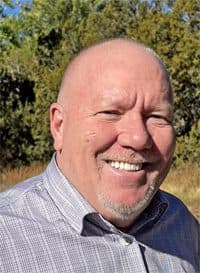
Allen McQuiston has spent enough time working with homeowners in the wildfire-prone landscapes of northern New Mexico to know when the ground is shifting beneath the insurance market. The Jemez Insurance Agency agent published an opinion column this week laying out why that shift is no longer gradual or theoretical: wildfire risk is actively reshaping what homeowners coverage looks like, what it costs, and in some cases, whether it's available at all across the Southwest.
The column, published March 15, arrives at a moment when Los Alamos County residents have more reason than most to pay attention. The county sits in a region that has lived through catastrophic fire events, and the memory of what unchecked wildfire can do to a community is not abstract here. McQuiston's piece connects the broad regional trends now roiling insurance markets to the practical decisions that individual homeowners in places like Los Alamos are facing when their policies come up for renewal.
Why insurers are recalculating risk
The insurance industry's retreat from high-risk wildfire zones has accelerated sharply in recent years. Across the Southwest, carriers are reassessing the mathematical models that determine whether writing a policy in a given area makes financial sense. When the expected payout from claims in a region begins to approach or exceed the premiums collected, insurers respond by raising rates, restricting coverage terms, or exiting the market entirely. McQuiston's column addresses this dynamic directly, explaining how the cumulative weight of wildfire losses across the region is forcing a fundamental recalibration.
For homeowners, this translates into a market that looks increasingly different from the one that existed even five years ago. Policies that once renewed automatically at stable rates are now subject to significant premium increases. Some carriers are adding wildfire-specific exclusions or sublimits that cap payouts for fire-related losses at amounts well below full replacement cost. Others are non-renewing policies in ZIP codes deemed too exposed, leaving homeowners to scramble for coverage through surplus lines markets or state-backed insurers of last resort, both of which typically carry higher costs and narrower protections.
What this means for Los Alamos homeowners specifically
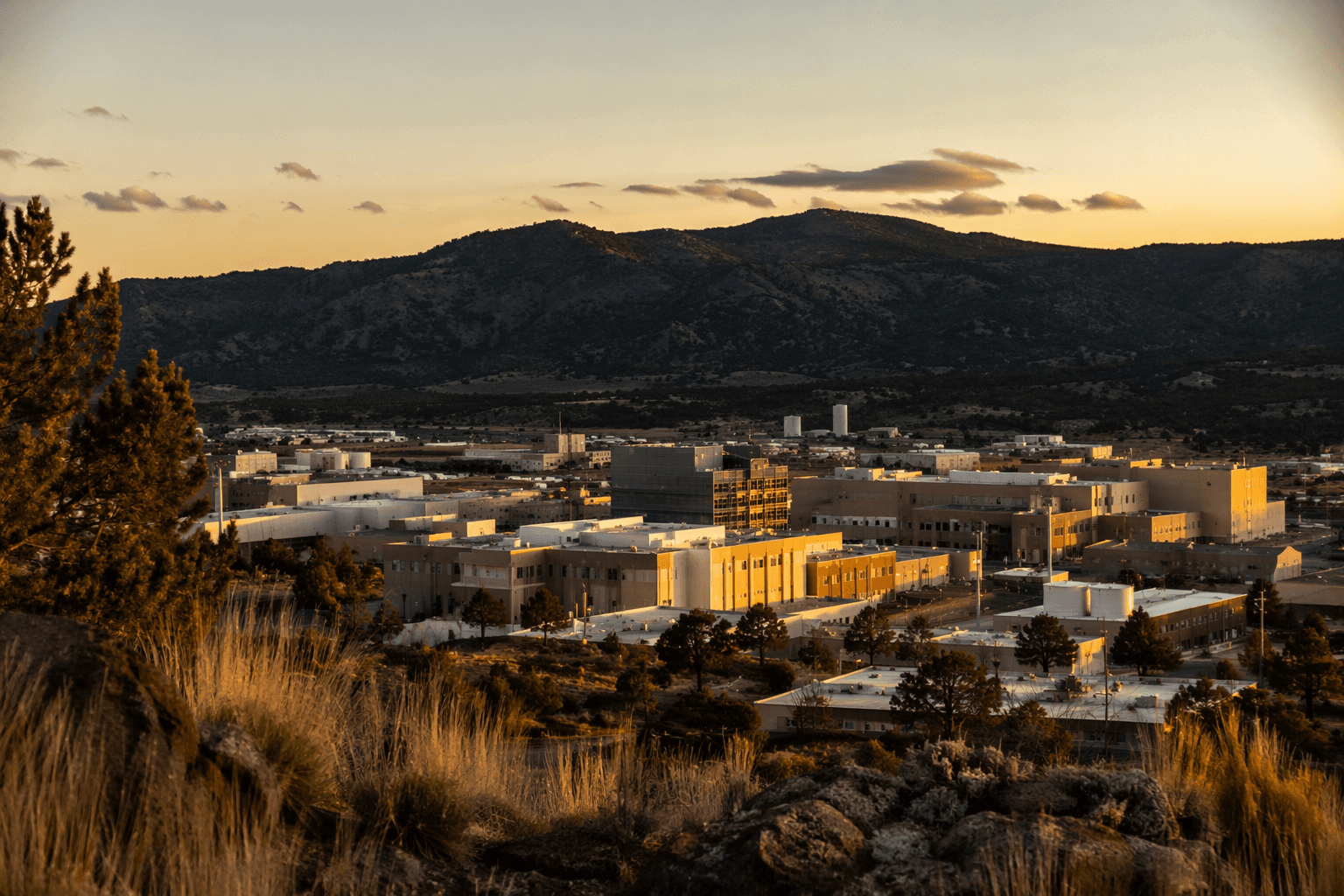
Los Alamos County's geography places it squarely in the category of elevated wildfire exposure. The county's position in the Jemez Mountains, surrounded by the Santa Fe National Forest and the Valles Caldera, means that the interface between residential neighborhoods and combustible wildland is not a distant concern but a daily reality. Subdivisions throughout the county sit in what fire scientists classify as the wildland-urban interface, and insurance underwriters are increasingly treating that designation as a pricing and eligibility factor.
McQuiston's local vantage point at Jemez Insurance Agency gives his analysis particular relevance for county residents. An agent working this specific market understands that the coverage challenges playing out across the broader Southwest are not happening at a comfortable remove. They are showing up in the renewal notices and coverage conversations happening right now in Los Alamos.
Reading your policy with fresh eyes
One of the practical contributions of McQuiston's column is its emphasis on helping homeowners understand what their current coverage actually provides, rather than what they assume it provides. Replacement cost coverage is a central issue: many policies written years ago may not reflect current construction costs, which have risen substantially. A policy limit that seemed adequate when a home was insured for $400,000 may fall well short of what it would cost to rebuild that same structure today, given the increases in labor and materials that have compounded since the pandemic.
Extended replacement cost endorsements, which provide a buffer above the stated policy limit, are worth examining closely. So are coverage terms related to additional living expenses, which pay for temporary housing and related costs while a home is being rebuilt after a loss. In a tight housing market like northern New Mexico's, the cost of temporary relocation can be significant and prolonged, making robust ALE coverage more important than it might have seemed when the policy was originally written.
Mitigation and its effect on insurability
McQuiston's column also engages with the relationship between physical risk reduction and insurance outcomes, a connection that is becoming increasingly consequential for homeowners in wildfire-prone areas. Carriers are paying closer attention to property-level mitigation measures: the condition of the roof, the materials used in decking and siding, the maintenance of defensible space around the structure, and the removal of combustible vegetation in the immediate zone around the home.
In some cases, documented mitigation work can support coverage eligibility or moderate rate increases. Programs that certify homes as having met specific fire-resistance standards are gaining traction as insurers look for ways to distinguish between properties within the same general risk zone. For Los Alamos homeowners, investing in mitigation is increasingly a financial decision with insurance implications, not just a matter of fire safety.
Working with a local agent in a changing market
The complexity of the current insurance environment makes the role of a knowledgeable local agent more valuable, not less. Navigating between admitted carriers, surplus lines options, and state programs requires someone who understands both the technical details of coverage and the specific risk profile of northern New Mexico communities. McQuiston's willingness to address these issues publicly, through an opinion column rather than just in private client conversations, reflects an understanding that the information gap between what the insurance industry knows about wildfire risk and what most homeowners understand is itself a problem worth addressing.
The broader Southwest is in the early stages of a long-term reconfiguration of the homeowners insurance market, driven by a risk landscape that is shifting faster than the regulatory frameworks designed to govern it. For a community like Los Alamos, which has already experienced the full weight of what that risk can mean, engaging seriously with the insurance dimensions of wildfire preparedness is not optional. McQuiston's column is a useful entry point into that conversation, and for homeowners with policies coming up for renewal, the time to have it with their agent is now, before a notice of non-renewal makes the decision for them.
This article was produced by Prism’s automated news system from verified source data, official records, and press releases, then run through automated quality and moderation checks before publishing. The system is built and supervised by the people who set the standards it runs under. Read our full AI policy.
Did this article answer your question?