Los Alamos lab joins open-source AI storage project for HPC scaling
Los Alamos National Laboratory is helping launch Lattice, an open-source AI storage tool aimed at breaking the metadata bottleneck in HPC systems.
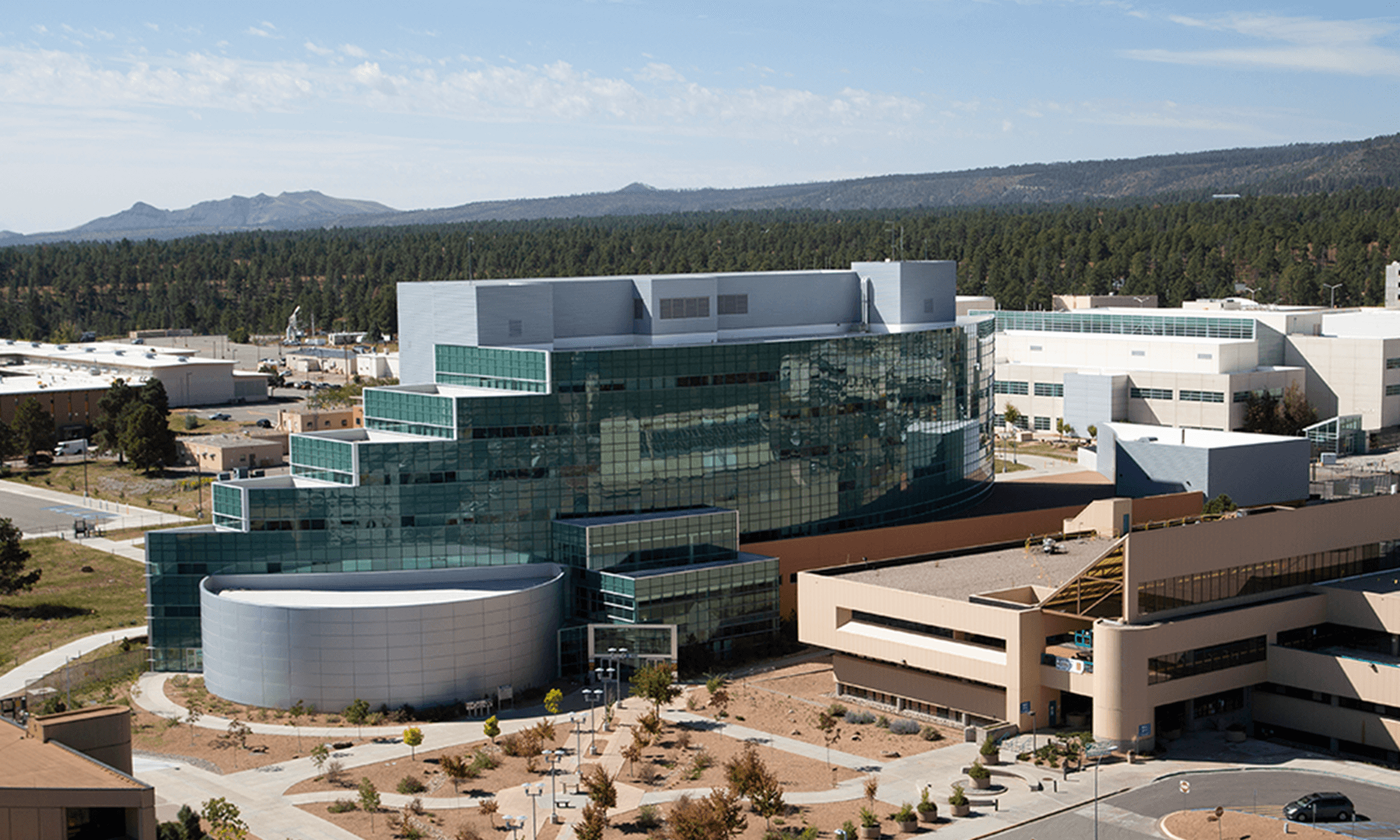
A taxpayer-funded Los Alamos National Laboratory is helping build the storage plumbing behind the AI boom, joining PEAK:AIO on Lattice, an open-source metadata server designed to scale high-performance computing systems that now struggle under AI workloads. The project targets a specific bottleneck: metadata, the layer that tells supercomputers where files live and how to move them fast enough for large machine-learning and simulation jobs.
PEAK:AIO announced Lattice on June 3, 2026, calling it the industry’s first open-source pNFS metadata server and saying it would be launched with The Linux Foundation as an open-source effort. The public repository says the system was initiated by PEAK:AIO and shaped through technical collaboration with Los Alamos National Laboratory and Carnegie Mellon University.
The codebase describes Lattice as a user-space metadata server architecture built for high-performance computing, AI and machine learning storage, and large-scale namespace workloads. Its design separates metadata authority, protocol coordination, and data service placement, and lets multiple MDS daemons share a RonDB metadata authority so metadata services can scale beyond a single fixed server model while keeping a clear source of truth. The early open-source release also includes NFSv4.1/pNFS support with flex-files layouts, multi-MDS topology, referrals, partition maps, RonDB-backed distributed catalogues, inline-data acceleration for small files, inode and dirent caches with negative-entry TTL, and data-server health monitoring with round-robin placement.
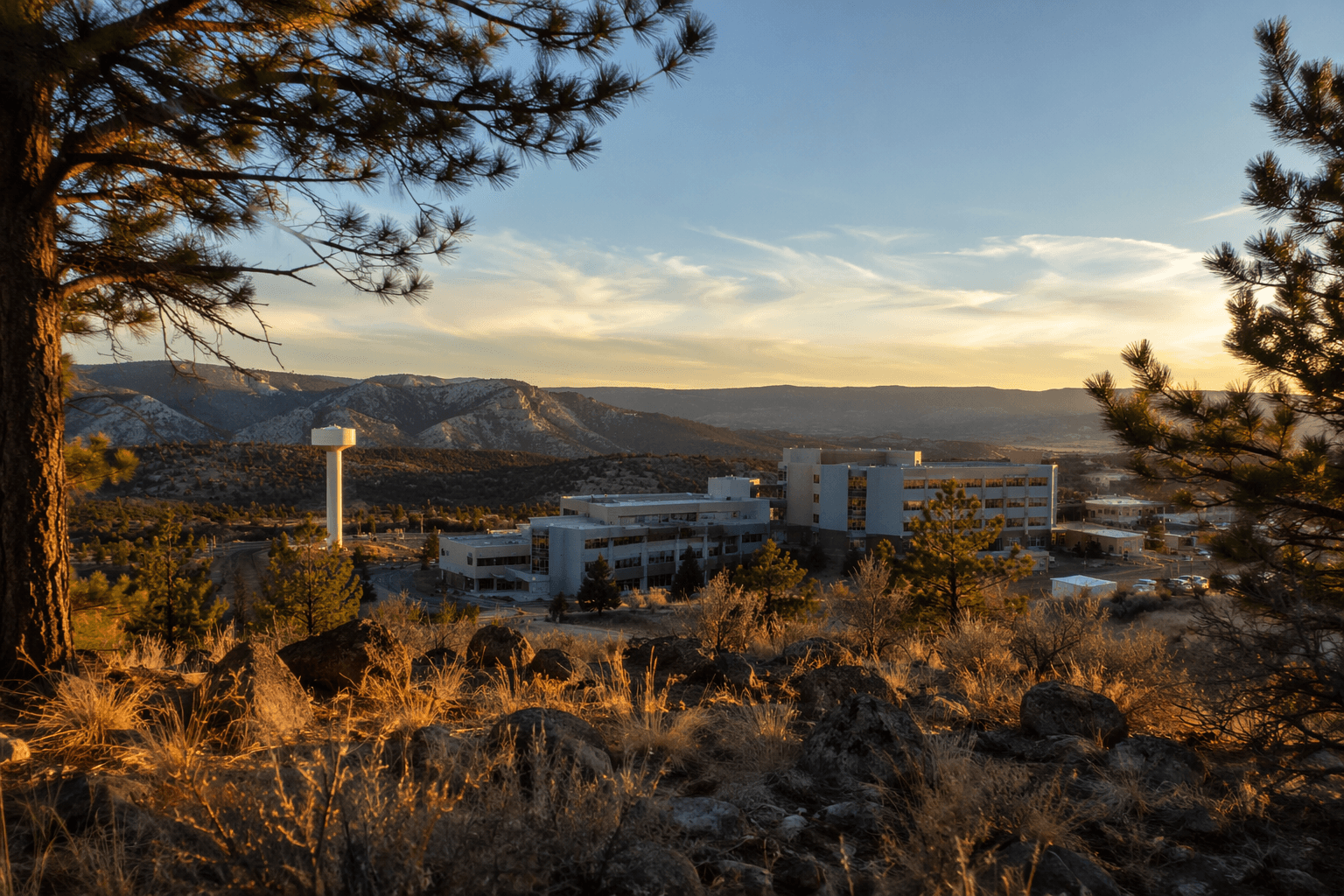
The local stakes reach well beyond a single product release. LANL says its high-performance computing systems support open and secure storage and other data-intensive production systems, from modeling and simulation to machine learning and artificial intelligence, and the laboratory says nearly all of its missions now use AI in some capacity. It is also building infrastructure for the next generation of AI, machine learning, and large language models.
That matters in New Mexico because LANL’s mission is not commercial software development alone. The U.S. Department of Energy says the laboratory’s primary mission is scientific and engineering support for national security programs, and LANL has already tied its computing roadmap to new supercomputers Mission and Vision, which are meant to support modeling, simulation, fundamental science, and AI applications across the National Nuclear Security Administration complex. Lattice fits into that broader push: if it helps remove the storage bottleneck, it could strengthen Los Alamos’ role in federal computing while shaping the open-source infrastructure other labs and research centers use next.
This article was produced by Prism’s automated news system from verified source data, official records, and press releases, then run through automated quality and moderation checks before publishing. The system is built and supervised by the people who set the standards it runs under. Read our full AI policy.
Know something we missed? Have a correction or additional information?
Submit a Tip