Los Alamos Medical Center says emergency care will remain ready for maternity cases
Labor will move out of Los Alamos on June 28, but the ER will still stabilize maternity emergencies, from severe bleeding to dangerous blood pressure spikes.
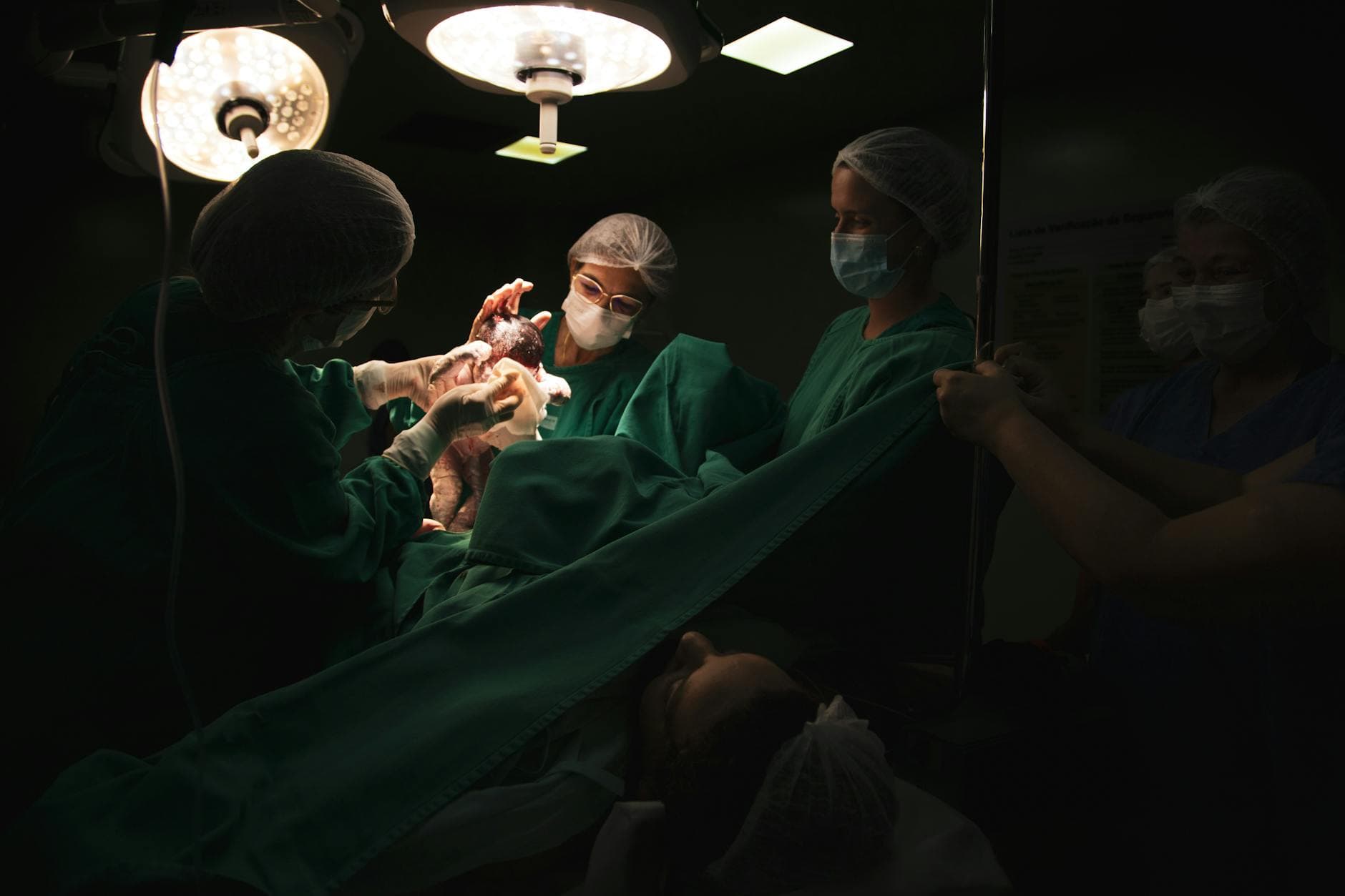
Pregnant and postpartum patients in Los Alamos will still be able to get urgent emergency care close to home even after inpatient labor and delivery moves out of Los Alamos Medical Center on June 28. The hospital said its emergency department will continue to evaluate and stabilize obstetric-related emergencies, then arrange transfer to regional hospitals when higher-level maternity care is needed.
That matters in a county where Los Alamos Medical Center is the only hospital and one of the community’s most visible health care anchors. The 47-bed acute care facility has served Northern New Mexico for more than 70 years, and the change in maternity services has drawn close attention from families who may now need to travel to Santa Fe or Española for delivery care.
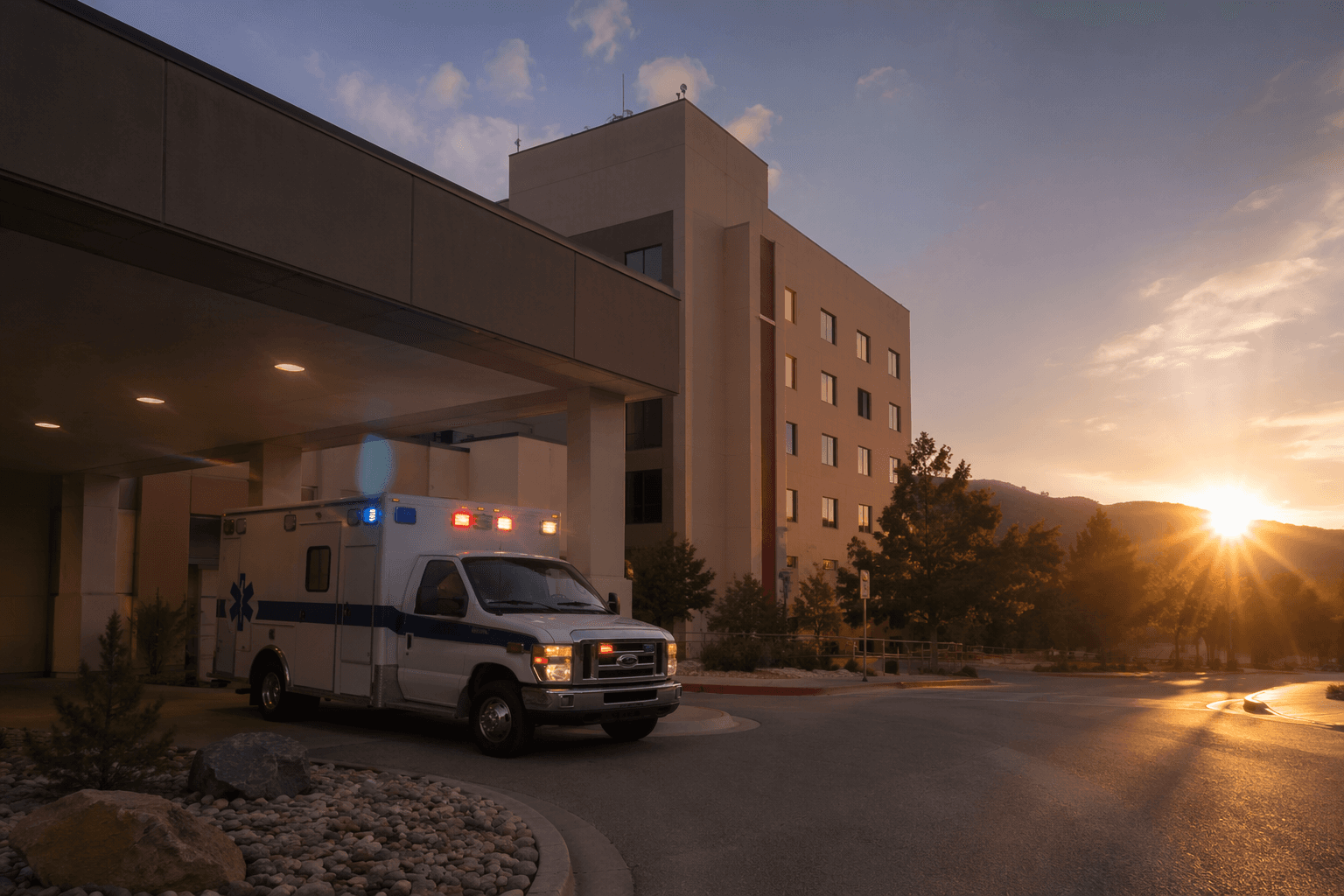
In an op-ed, Alan Heilpern, the emergency department medical director, and Debra Temple, the chief nursing officer, said the hospital is prepared for time-sensitive complications such as severe bleeding, dangerously high blood pressure, serious infection and unexpected labor. The hospital said patients will be stabilized quickly and transferred as needed to CHRISTUS St. Vincent Regional Medical Center in Santa Fe or Presbyterian Española Hospital, the regional partners named in its April 24 announcement.
Los Alamos Medical Center said outpatient prenatal, postpartum and gynecological care will remain available at the Los Alamos Women’s Health clinic. It also said its emergency room will continue to treat obstetric-related emergencies, keeping a local safety net in place for situations that cannot wait for a longer drive.
The hospital has also highlighted its Special Delivery Program, which gives postpartum women a wristband and education tools before discharge. The program is meant to remind patients and clinicians that the body remains at risk for complications for up to a year after birth, a warning that takes on added weight as local delivery services shift elsewhere.
Community concern has centered on how often families used local maternity care in the first place. Petition materials tied to the pushback cite New Mexico vital records data showing Los Alamos County averaged about 166 births a year from 2010 through 2024. Residents have also raised worries about weather, cell coverage and the added burden of a longer drive in an emergency.
The broader policy picture is pushing hospitals in the same direction. More than half of rural U.S. counties lack hospital obstetric services, according to the Health Resources and Services Administration, and the Center for Healthcare Quality and Payment Reform says 133 rural hospitals have stopped delivering babies or announced they will since the end of 2020. The Joint Commission has also rolled out new and revised obstetrical-services requirements that align with updated Centers for Medicare & Medicaid Services conditions, with some taking effect in 2026.
Los Alamos Medical Center is drawing a line between routine delivery care and emergency stabilization. For local families, the practical reality is narrower access for births, but a still-open door in the emergency department when maternity complications turn urgent.
Know something we missed? Have a correction or additional information?
Submit a Tip