Cornerstone Mining seeks permit reissuance for Maybeury haulroad runoff
Cornerstone Mining is asking to keep its Maybeury haulroad permit alive as runoff is routed into Little Fork of Elkhorn Creek, putting traffic, water and downstream impacts back under review.
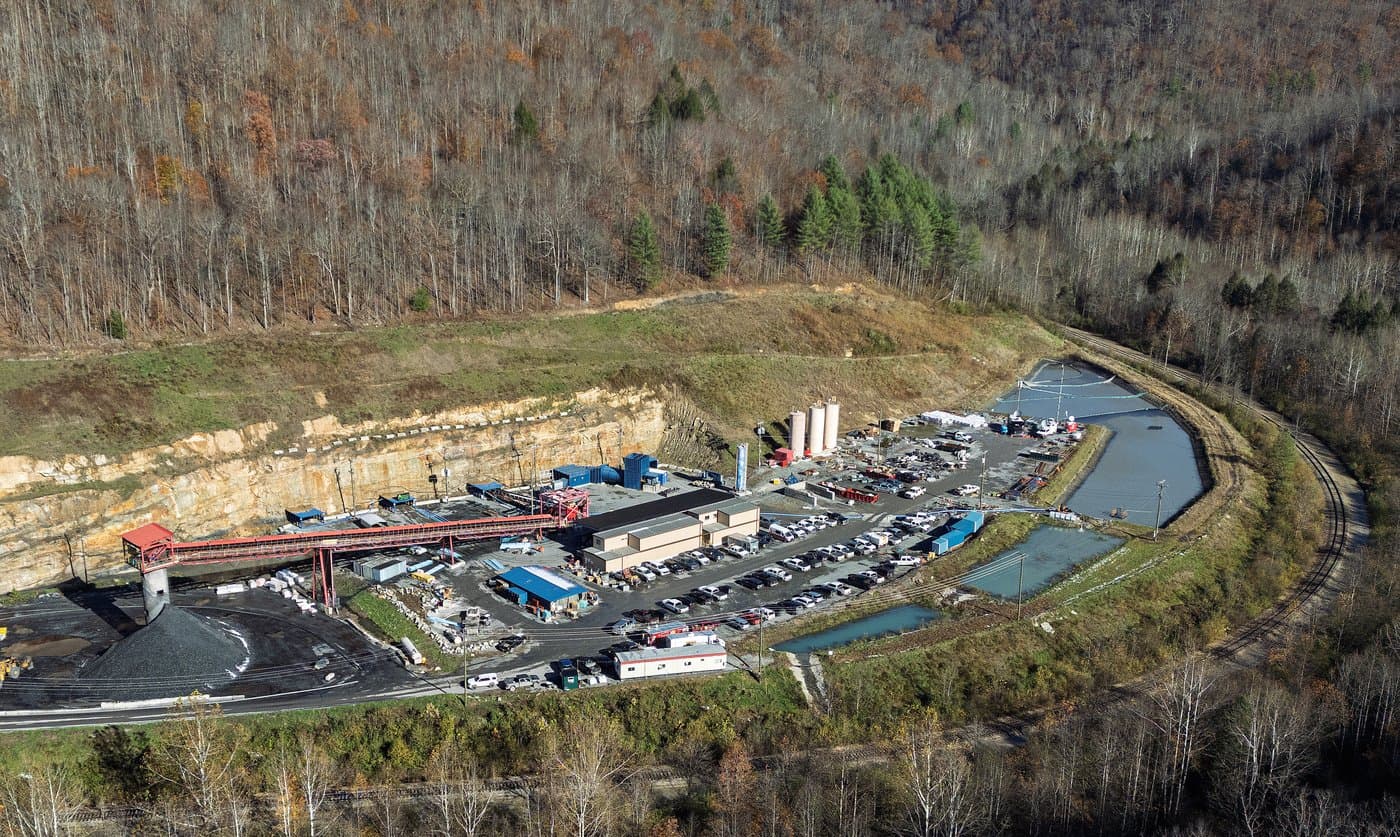
Cornerstone Mining, LLC is seeking to renew the permit that lets it operate and maintain a haulroad about 0.90 miles northeast of Maybeury, a filing that keeps a mine-support corridor in the middle of the Elkhorn Creek-Tug Fork River watershed and under state scrutiny for runoff control.
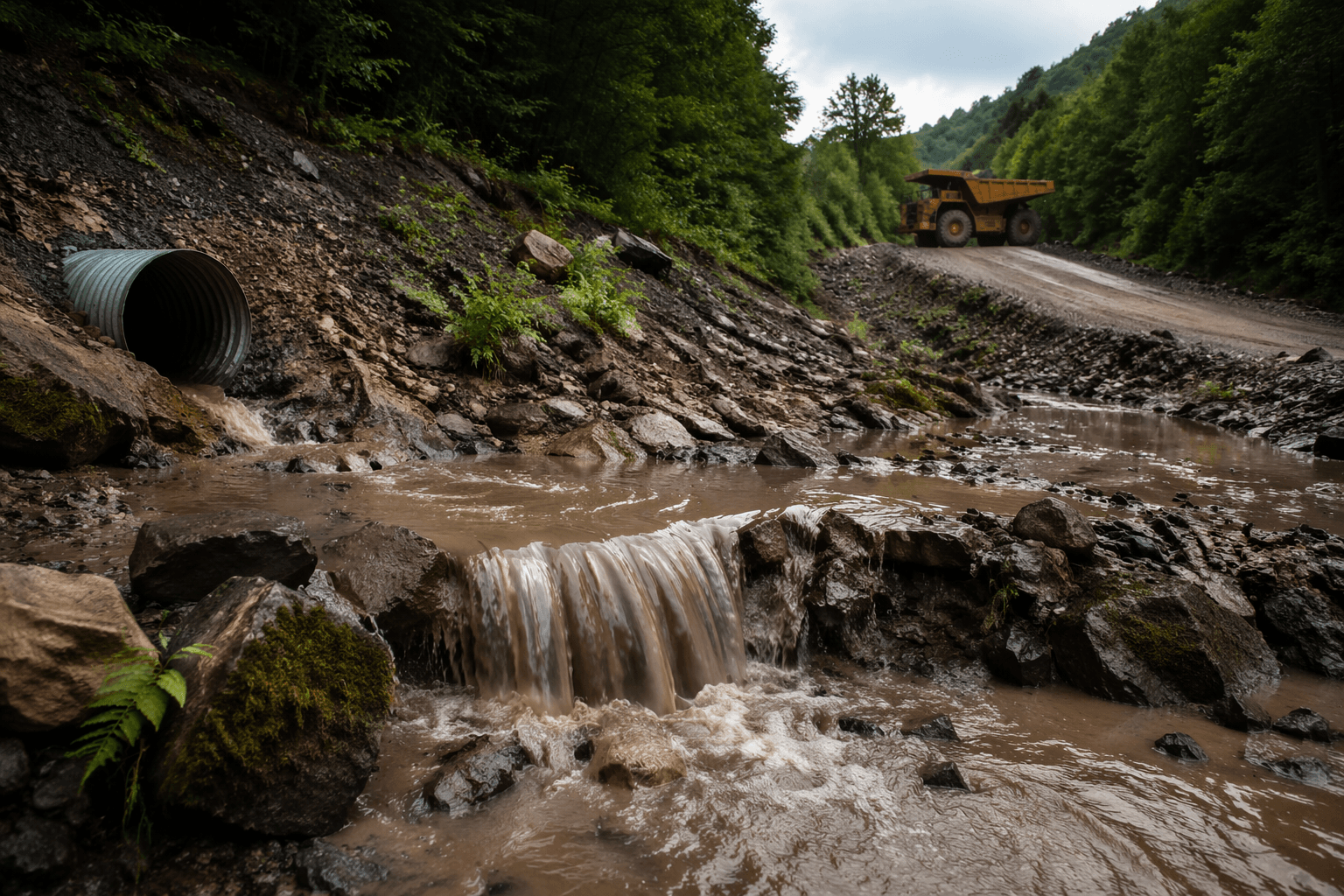
The request, published May 19, called for reissuance of West Virginia NPDES Permit No. WV1026526. The notice said storm water from the haulroad would discharge into Little Fork of Elkhorn Creek of Tug Fork River, placing the road and its drainage in a watershed that already carries long-term flood and water-quality concerns across parts of McDowell and Mercer counties.
For nearby residents in Maybeury and the surrounding hollows, the practical stakes are familiar: truck traffic, dust, road wear, sediment movement and the condition of streams that feed into larger drainage channels. A haulroad permit may sound routine, but it signals that industrial activity in the corridor is expected to continue and that the state will again review how storm water is handled before the company keeps operating.
Cornerstone Mining is based in Princeton at 150 Courthouse Road, Suite 302, and it was formed on April 25, 2018. The haulroad filing was not the company’s only recent appearance in local mining notices. On Dec. 9, 2025, Cornerstone said it would conduct blasting about 1.0 mile northeast of Maybeury from Dec. 1, 2025, through Dec. 1, 2026. On April 18, it also sought an Article 3 permit for about 496.78 acres of contour, surface, auger and highwall mining in Mercer County.
The Maybeury permit also lands in a watershed already identified for major flood-risk planning. The U.S. Department of Agriculture committed $2,817,600 to flood-protection planning in the Elkhorn Creek-Tug Fork River watershed after studies found damage at 128 homes and buildings and recommended voluntary buyout, demolition and restoration work for about 30 floodplain properties. That makes every new mining-related drainage filing more than an administrative detail; it fits into a broader fight over water, land stability and the cost of living in the coalfields.
The West Virginia Department of Environmental Protection says the individual WV/NPDES permit process can take up to six months and includes a draft permit, public comment and the chance to request a hearing. For Maybeury, that means the haulroad renewal is not a final step, but it is a clear sign that the road, its runoff and the work tied to it remain active issues for both regulators and the communities downstream.
This article was produced by Prism’s automated news system from verified source data, official records, and press releases, then run through automated quality and moderation checks before publishing. The system is built and supervised by the people who set the standards it runs under. Read our full AI policy.
Did this article answer your question?