Derrick Evans video spotlights McDowell County's decline from coal wealth to poverty
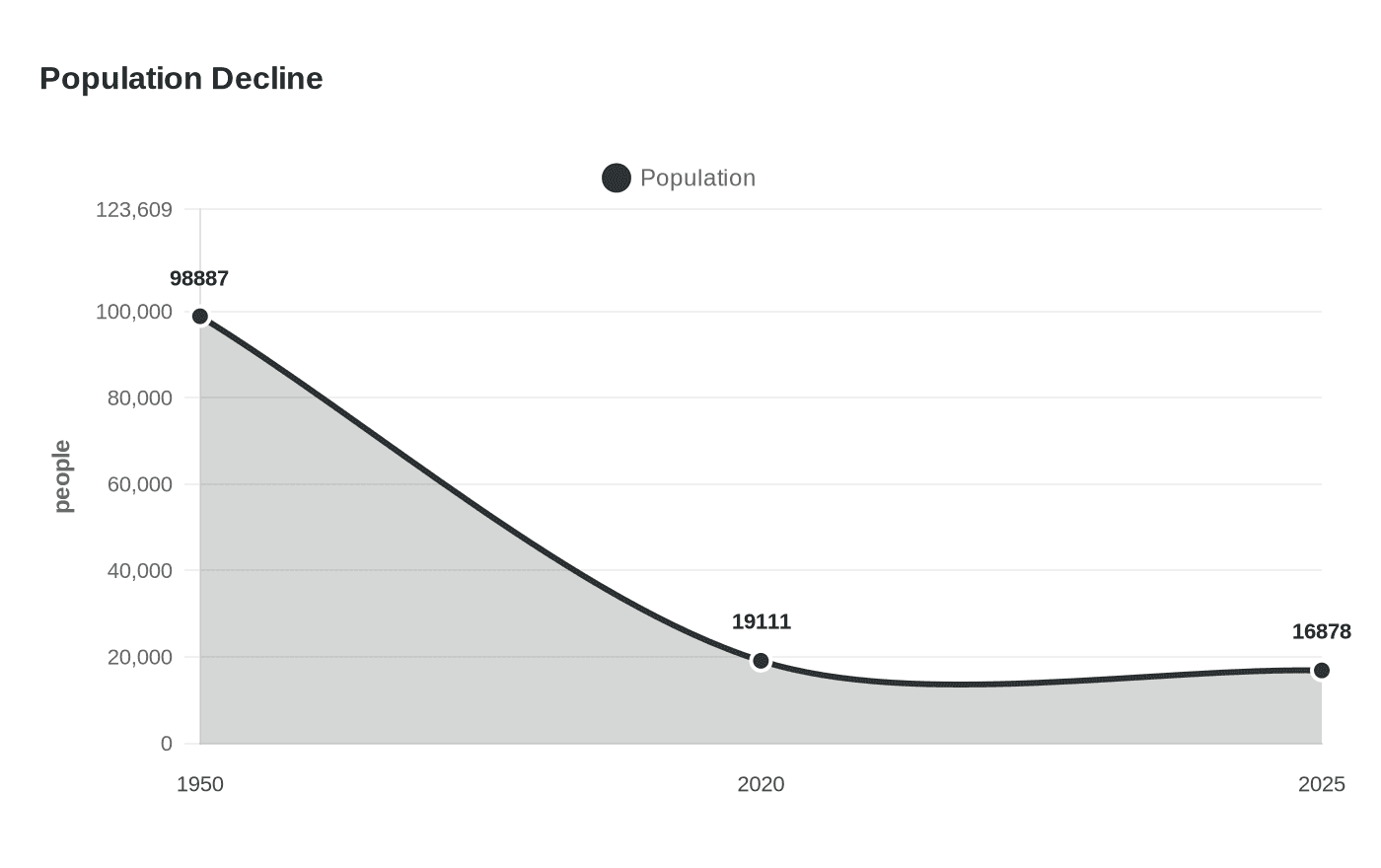
Derrick Evans’ Welch video revived a hard fact: McDowell County fell from coal wealth and 98,887 residents in 1950 to an estimated 16,878 in 2025.

Derrick Evans’ video of Welch reopened a hard arithmetic in McDowell County: the place that once led the nation in coal output now faces a shrinking population, low incomes and infrastructure problems that no slogan can fix.
McDowell, West Virginia’s southernmost county and home to the county seat of Welch, was created in 1858. Its population peaked at 98,887 in 1950, then fell to 19,111 in the 2020 census and an estimated 16,878 in 2025, according to Census data. The U.S. Census Bureau says the county’s median household income is $31,559, while just 6.8% of adults hold a bachelor’s degree.

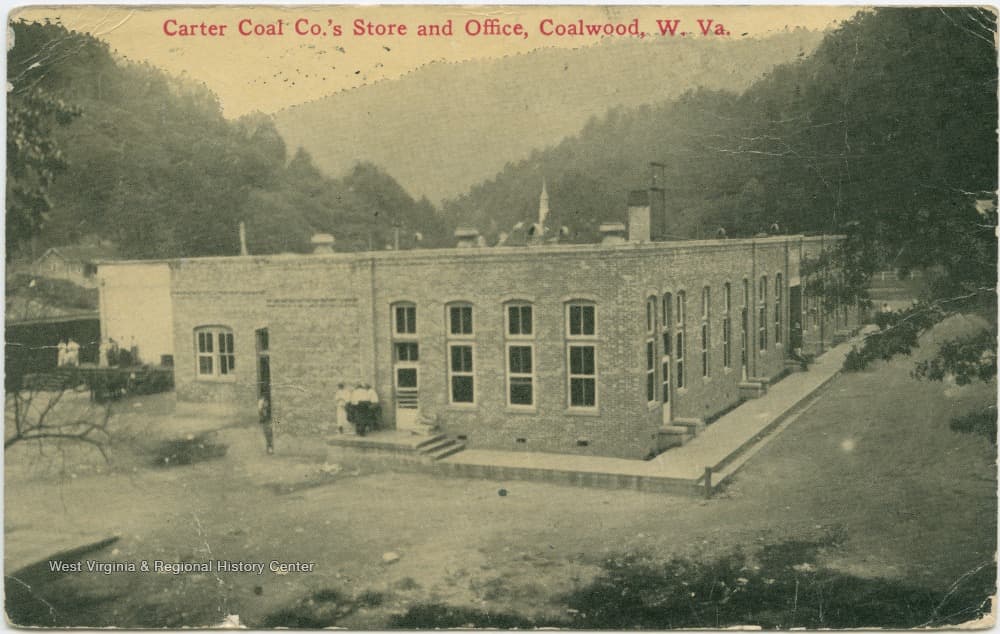
That collapse happened after a long period of dominance. By the mid-20th century, McDowell was the leading coal-producing county in the United States, a position it lost to neighboring Logan County in 1955. Evans blamed the decline on Obama-era policy and dismissed the familiar “learn to code” refrain, but the numbers show a deeper structural break: mine closures, mechanization and decades of outmigration steadily reduced jobs, residents and the tax base.
The economic strain is visible well beyond the coalfields. Mountain State Spotlight has described McDowell as the poorest county in West Virginia, citing a 2024 median household income of $27,682. Residents and advocates have also pointed to decaying housing, aging water and sewer plants and long-running boil-water problems as daily evidence that the county’s troubles are not just about coal prices or federal politics.
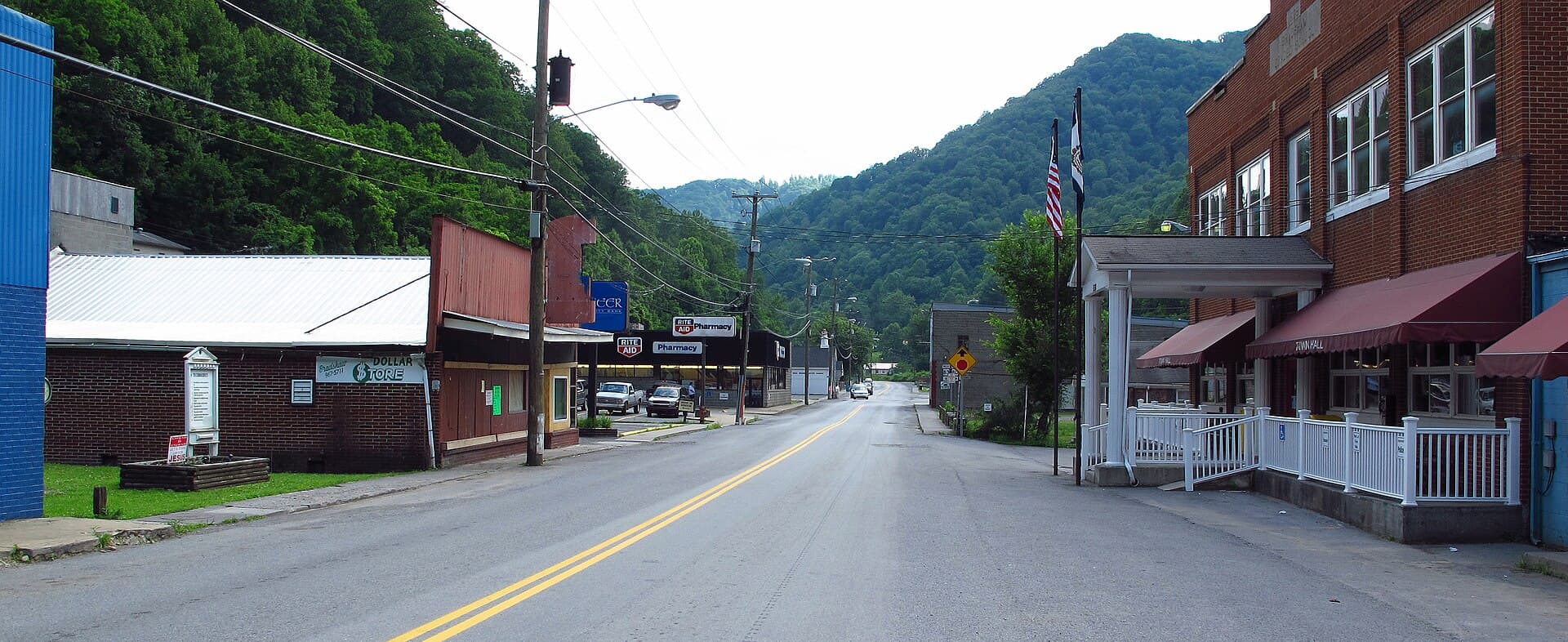
Some money is finally reaching the basics. West Virginia Public Broadcasting reported that McDowell and nearby Mingo County are receiving $9.5 million for five water and sewer projects after years of mine closures and abandonment. But the scale of the need remains much larger than a single round of grants. In communities around Welch, the central question is whether the county can rebuild enough infrastructure and services to keep people, support employers and make it possible for the next generation to stay.
That is why the political argument over a so-called war on coal misses part of the picture. Local voices in southern West Virginia have increasingly pushed for jobs, education, health care, food access and water systems, not culture-war rhetoric. In McDowell County, the debate is no longer about whether coal once brought wealth. It is about what will replace it, and whether the county can recover with the basics still failing around it.
This article was produced by Prism’s automated news system from verified source data, official records, and press releases, then run through automated quality and moderation checks before publishing. The system is built and supervised by the people who set the standards it runs under. Read our full AI policy.
Did this article answer your question?