McDowell County archives help families trace coal-camp ancestors
Start in Welch: McDowell County was formed in 1858, and the best trail runs through courthouse files, state vital records, county histories, and coal-era sources.
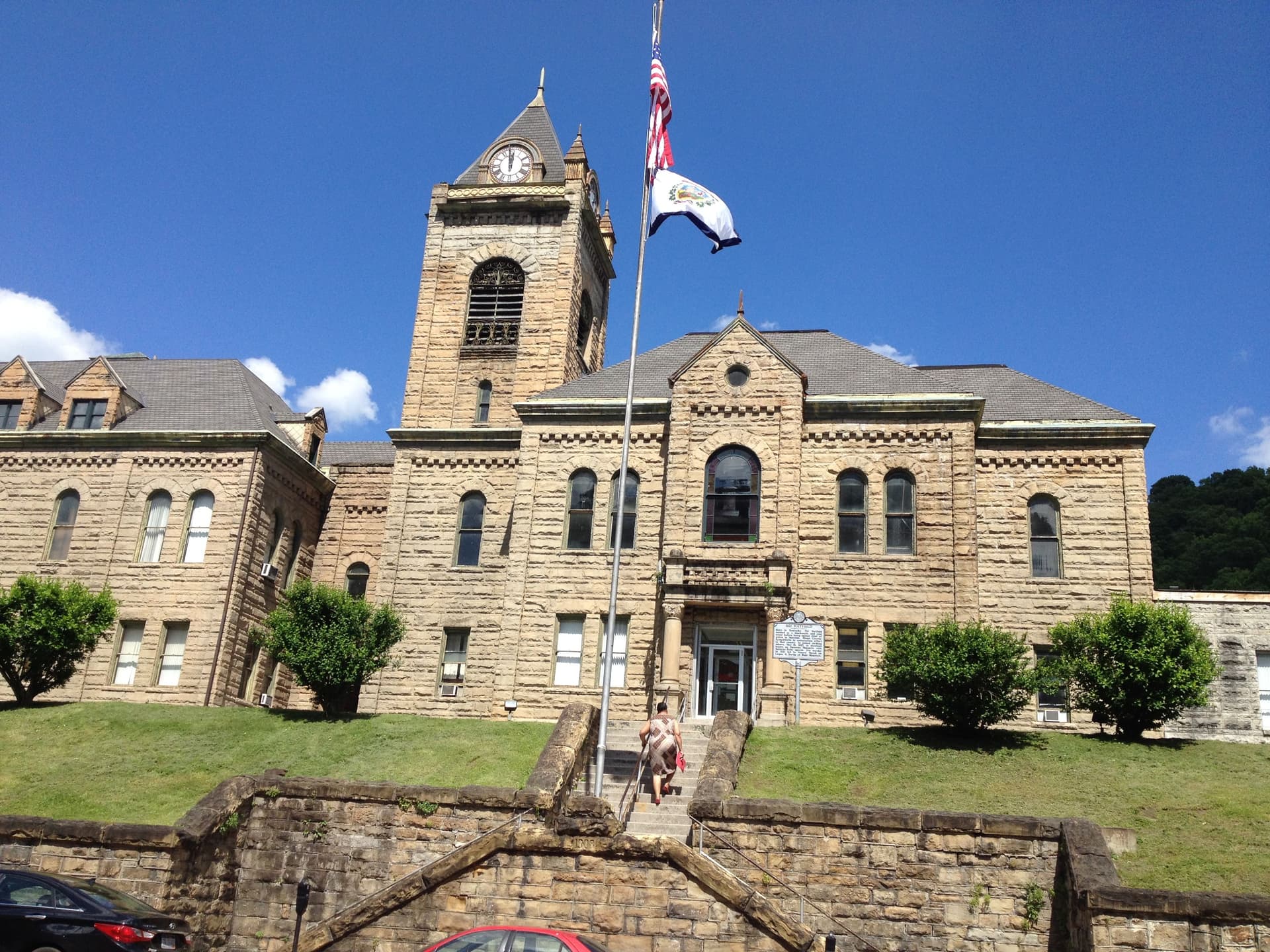
The McDowell County Courthouse in Welch, along with state vital-record files and county history collections, gives researchers the clearest route through McDowell County’s uneven paper trail. Named for Virginia Governor James McDowell, the county’s early record trail was shaped by a landscape that did not yet have many towns, roads, or settled institutions.
Start with Welch and the county’s legal frame
The county was created by an act of the Virginia General Assembly on February 20, 1858, and the county seat is Welch. The county court met at several places between 1858 and 1872 before the seat settled in Welch, with Perryville, now English, serving as the seat in 1872. That history can put family names in unexpected places.
McDowell County covers 533.46 square miles and had a 2010 Census population of 22,113, according to West Virginia Archives and History. Families could live in isolated coal camps, move often, and leave records scattered across communities rather than concentrated in one town.
Use the county archive page as your first map
The West Virginia Archives and History county page is the most efficient launch point because it gathers McDowell-specific materials in one place. Instead of chasing titles one by one, you can start with a list that includes First Families of McDowell County, A History of Education in McDowell County, McDowell County Centennial 1858-1958, McDowell County History: A Pictorial History of McDowell County, Facts About McDowell County, and Welch, McDowell County, West Virginia.
They can place an ancestor in a school district, a coal camp, a church community, or a town neighborhood, and that context often bridges the gap when a courthouse file gives you only a surname and a rough date. Local clippings and county histories are especially useful for coal-camp families, teachers, civic leaders, and town households that do not leave a complete civil record trail.
If you are working a family line that disappears in one census and reappears in another, use the county page to build a map of places and dates before you order copies or visit an office. That approach is often more productive than starting with a single certificate and hoping it answers everything.
Search vital records online before you request paper copies
The West Virginia Vital Research Records Project lets users search birth, death, and marriage certificates online and view scanned images of original records. That is the fastest way to test spelling variants, compare dates, and confirm whether a family member appears in a county record before you ask for a certified copy. The search system is built to handle wildcard searching, which is especially helpful when a surname has been recorded more than one way across census, church, and county documents.
For official copies, West Virginia Vital Registration is the state’s repository for birth, death, marriage, and divorce records. That makes it the place to go when you need an authoritative certificate for probate, estate work, or a line of descent that has to be documented cleanly. In practice, the online index is the place to start, while the county office and the state vital-registration office are where you go when the record must be certified.
Expect gaps from McDowell’s early years
McDowell County’s early history explains many of the dead ends researchers hit. In its first years, the region was wild and hard to reach, with scattered cabins, few settled towns, and no roads connecting communities the way later records assume. A family can be real and locally known long before it shows up neatly in a county book.
The result is a patchy record trail. You may find a family in a land reference, a church ledger, a school history, a cemetery marker, or a later town record before you find them in a clean courthouse sequence. Local libraries, cemetery records, and church archives can become the next-best sources when civil records stop short, especially for ancestors who lived in coal camps or moved with work from one hollow to another.
McDowell’s history also runs through the wider labor and migration patterns of southern West Virginia. The county was once among the state’s major coal-producing counties, and coal-era migration shaped its communities, churches, schools, and labor ties. A McDowell family tree often needs to follow place names as closely as surnames.
Read the courthouse as both a record office and a historic site
It was completed in 1893-94, designed by Frank Milburn, and later expanded in 1909 and 1963. It was added to the National Register of Historic Places on August 29, 1979.
Sid Hatfield was shot at the courthouse on August 1, 1921. That event connects Welch to the coalfield conflicts that shaped McDowell County records, from court cases and property disputes to the disruptions that sent families moving from camp to camp.
In 1920, about 3,000 miners joined the United Mine Workers organizing drive in southern West Virginia. The 1921 Miners’ March on Logan brought together more than 15,000 coal miners, opposed by more than 5,000 security forces, 2,500 U.S. soldiers, and 14 bombing planes. Those numbers help explain why a family record may be tied to strikes, company towns, evictions, or sudden relocations rather than a steady paper trail in one place.
Use population change as a clue to where records went
The county peaked at 98,887 in 1950 and fell to 19,111 in the 2020 Census. Welch followed its own rise and decline, growing from an estimated 300 people in 1895 to 3,232 in 1920, 5,376 in 1930, and 6,603 in 1950 before dropping to 3,590 in 2020.
Families moved with mines, layoffs, school closures, and changing town centers. If a line disappears from Welch, it may reappear in a nearby coal community, a church register, or a cemetery in another hollow. The most effective McDowell County research follows the county’s movement as much as its paperwork: start with Welch, confirm vital records, use county histories to place the family, and then work outward through local libraries, cemeteries, and church archives until the names line up.
This article was produced by Prism’s automated news system from verified source data, official records, and press releases, then run through automated quality and moderation checks before publishing. The system is built and supervised by the people who set the standards it runs under. Read our full AI policy.
Did this article answer your question?