McDowell County company stores reveal coal camp life and community hubs
The Carter store in Caretta helps explain how company stores controlled pay, shopping, and daily life in McDowell County coal camps.
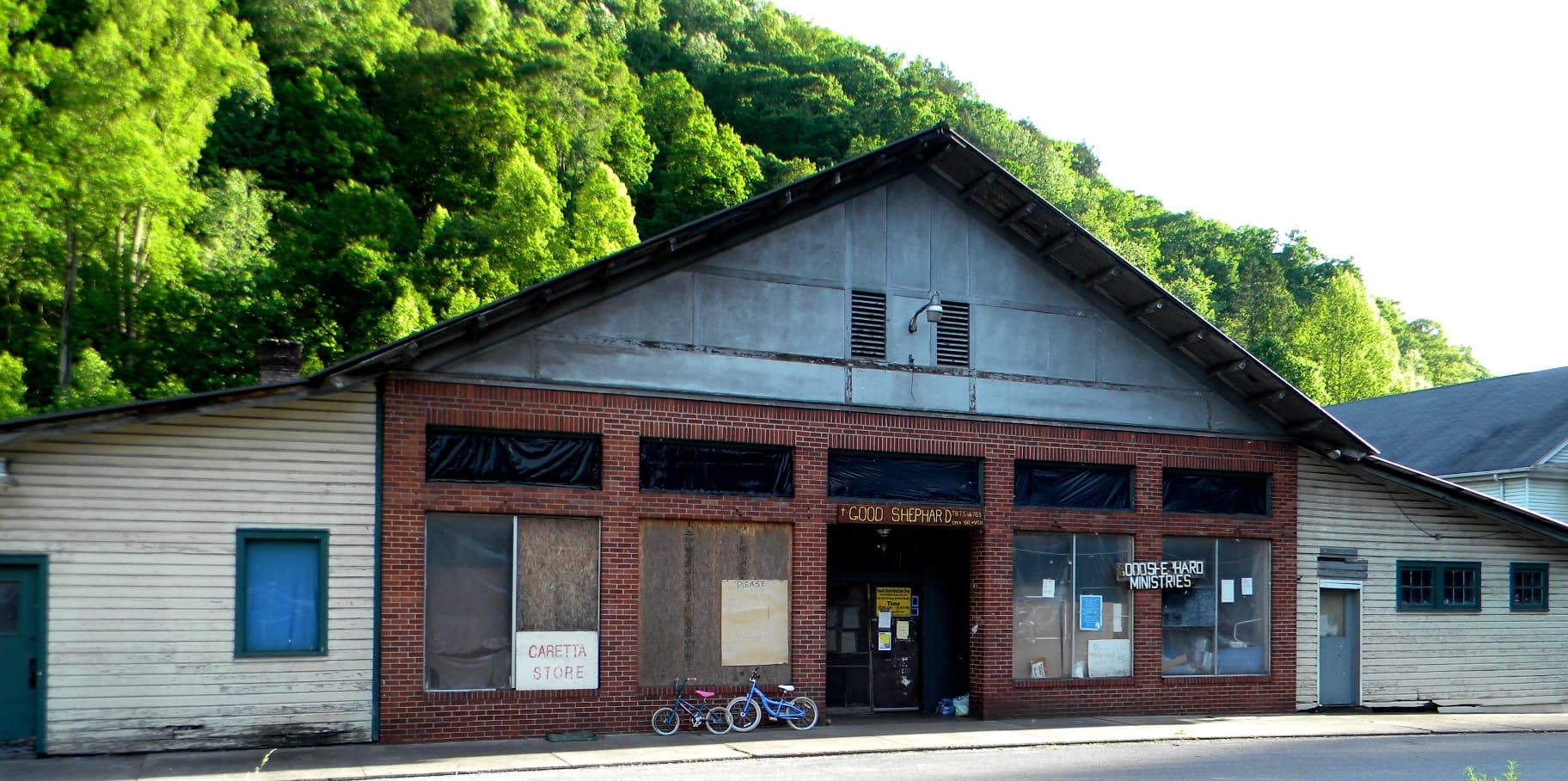
The Carter Coal Company Store in Caretta sits at the intersection of State Route 16 and County Route 1/2, a physical reminder that the company store was the center of the coal camp, not just its shopfront. In McDowell County, these buildings linked payrolls, mail, groceries, and local administration into one company-controlled node, and that arrangement shaped daily life far beyond the cash register.
Caretta as the starting point
The Carter Coal Company Store is one of four McDowell County company stores listed by the state preservation office in 1992, alongside the Ashland Coal Company Store, the Algoma Coal and Coke Company Store, and the Pocahontas Fuel Company Store in Switchback. The National Park Service multiple-property documentation treats each McDowell County company store as eligible for the National Register under Criterion A because of its association with southern West Virginia coal-camp history.
That preservation framework matters because it shows these places were never just isolated retail buildings. They were part of a countywide pattern in which one company building often sat at the crossroads of work, housing, and community control, a layout that still helps explain why some McDowell County towns feel organized around a single surviving structure.
What the stores sold, and what they controlled
The West Virginia Encyclopedia says company stores proliferated in coal mining, lumber, and textile company towns as the South industrialized in the late 19th and early 20th centuries. In the industrial village, the company store was often the central, and sometimes the only, retail outlet. The same system extended beyond the store itself: companies owned houses, saloons, and other buildings, so the store sat inside a larger web of dependence.
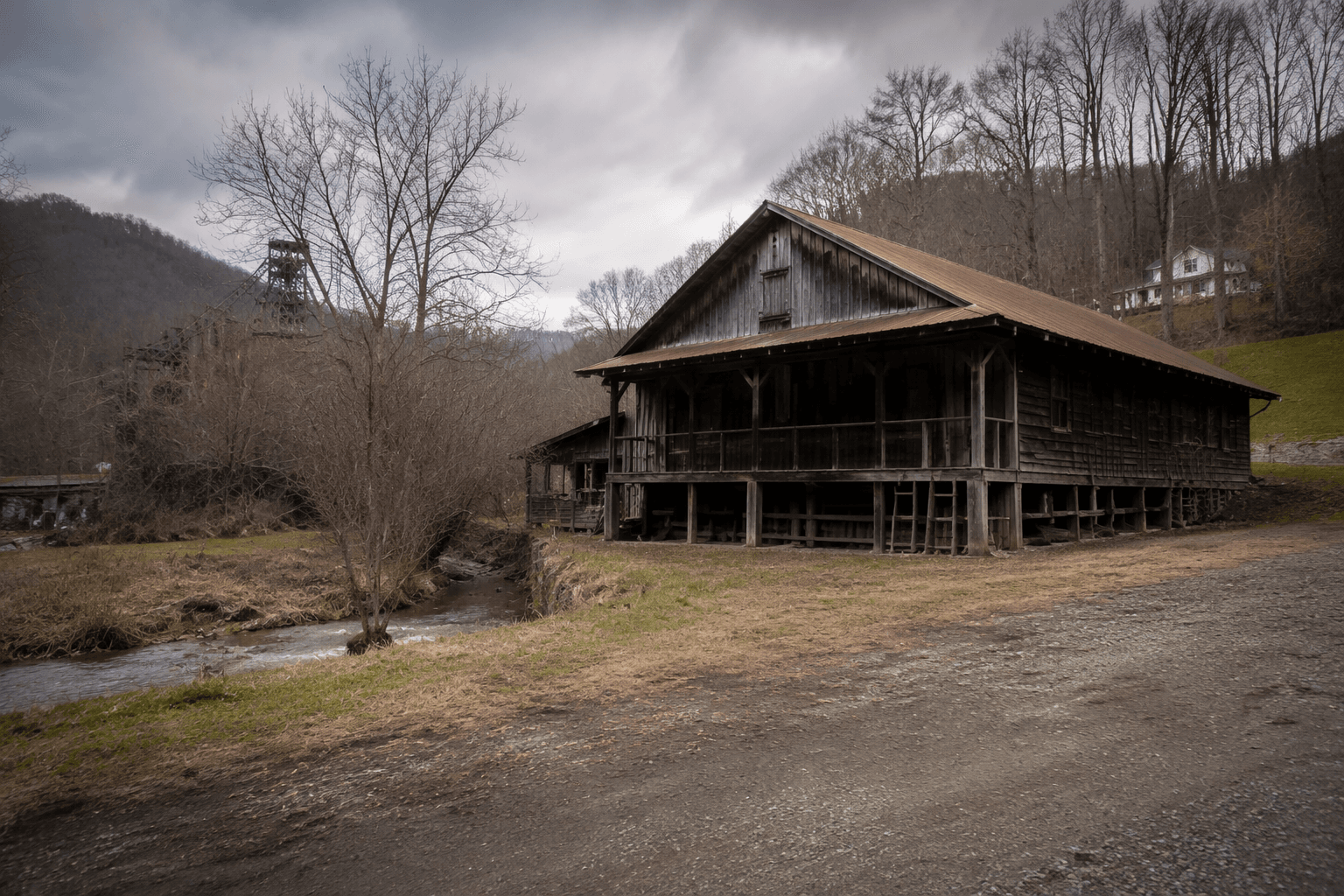
Ashland’s company store history gives the clearest picture of what that looked like on the ground. The store carried produce, foods, clothing, toys, tools, and even dynamite, and locals remembered it as a social hall as well as a place to buy necessities. That mix tells the story of coal camp life in practical terms: the same building that sold groceries could also supply work tools and hold the community together after hours.
Scrip, wages, and family dependence
The most revealing part of the system was how miners were paid. The West Virginia Mine Wars Museum describes scrip as privately issued currency that was only redeemable at stores owned by the company that issued it. In practice, that meant wages moved from the payroll back to the company store before they ever reached an outside merchant, which created a form of debt bondage that kept miners and their families tied to the employer for nearly everything they needed.
That arrangement helps explain why company stores mattered so much in isolated camps. If cash was scarce and company scrip was the main medium of exchange, then the store controlled not only shopping but also the reach of a family’s buying power. Residents were not just customers. They were often captive consumers in a company-managed economy.
Algoma shows how a store became civic infrastructure
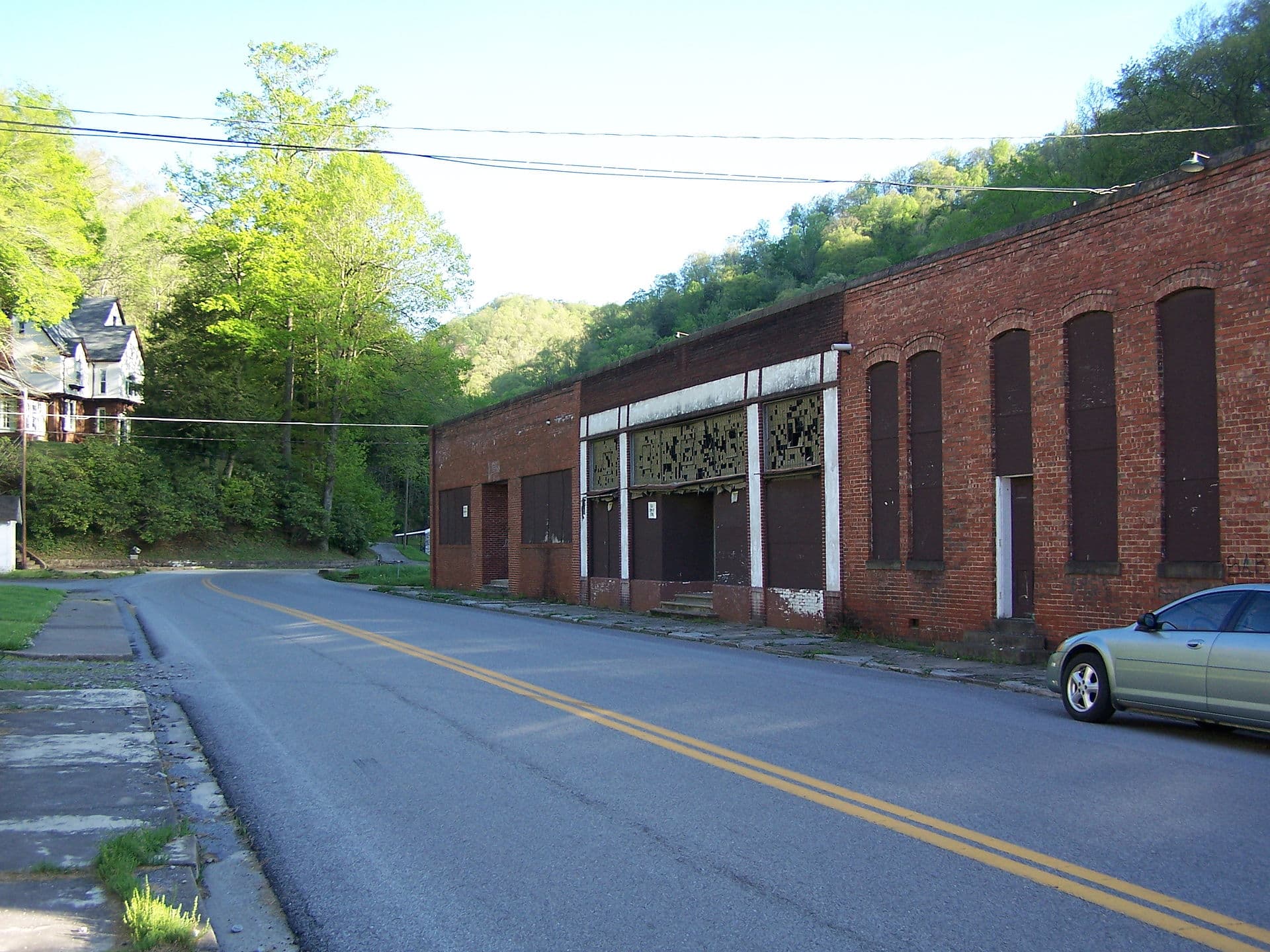
The Algoma Coal and Coke Company Store makes that overlap especially clear. Its nomination lists historic functions including commerce and trade, department store use, business and government activity, post office service, and health care clinic functions, with current use listed as health care. Few buildings in the county show more plainly how coal-company infrastructure substituted for civic infrastructure in an isolated mountain community.
A local history page on Algoma says the store served as the community’s commercial center and is now abandoned. Put those facts together, and the building reads as both service hub and warning sign: it was once where people handled ordinary life, and it now stands as a visible reminder of how much the coal company shaped that life.
Ashland, Switchback, and the countywide preservation record
Ashland’s company store adds another layer to the story because the building itself changed with the town. The original early-1900s store burned in 1943 and was moved across the street to the present building. That history captures the persistence of coal-camp institutions, even when the original structure was lost, and the building’s inclusion on the National Coal Heritage Trail reinforces its place in the region’s public memory.
Switchback’s Pocahontas Fuel Company Store, nominated on March 25, 1992, sits in the same preservation story even without the same amount of popular detail. Its presence, along with the Ashland, Algoma, and Carter stores, shows that McDowell County’s coal camps were not built around one exceptional example. They formed a repeated pattern of company-centered places spread across the county.
Why these buildings still matter in McDowell County
McDowell County’s population estimate was 16,878 in 2025, down from 19,111 in the 2020 census. That decline underscores how much smaller and more rural the county has become since the coal era, which makes surviving and documented company stores even more important as landmarks of memory and structure.
What these buildings reveal is not nostalgia but a social map. The company store sat at the intersection of labor, commerce, and power, and its footprint still helps explain why coal camps were arranged the way they were, why families depended on company systems for daily goods, and why these places remain central to how McDowell County remembers its past today.
This article was produced by Prism’s automated news system from verified source data, official records, and press releases, then run through automated quality and moderation checks before publishing. The system is built and supervised by the people who set the standards it runs under. Read our full AI policy.
Did this article answer your question?