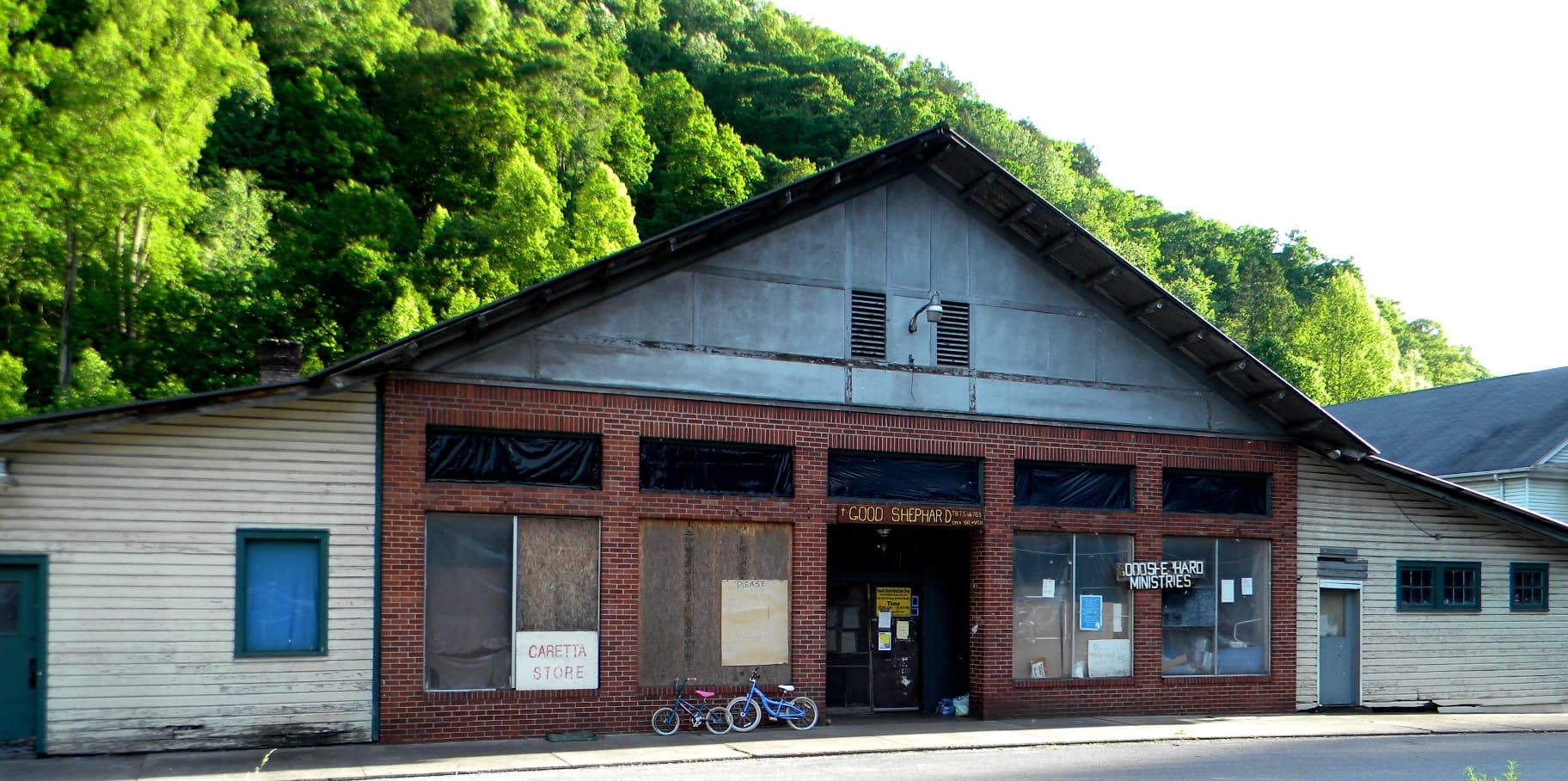
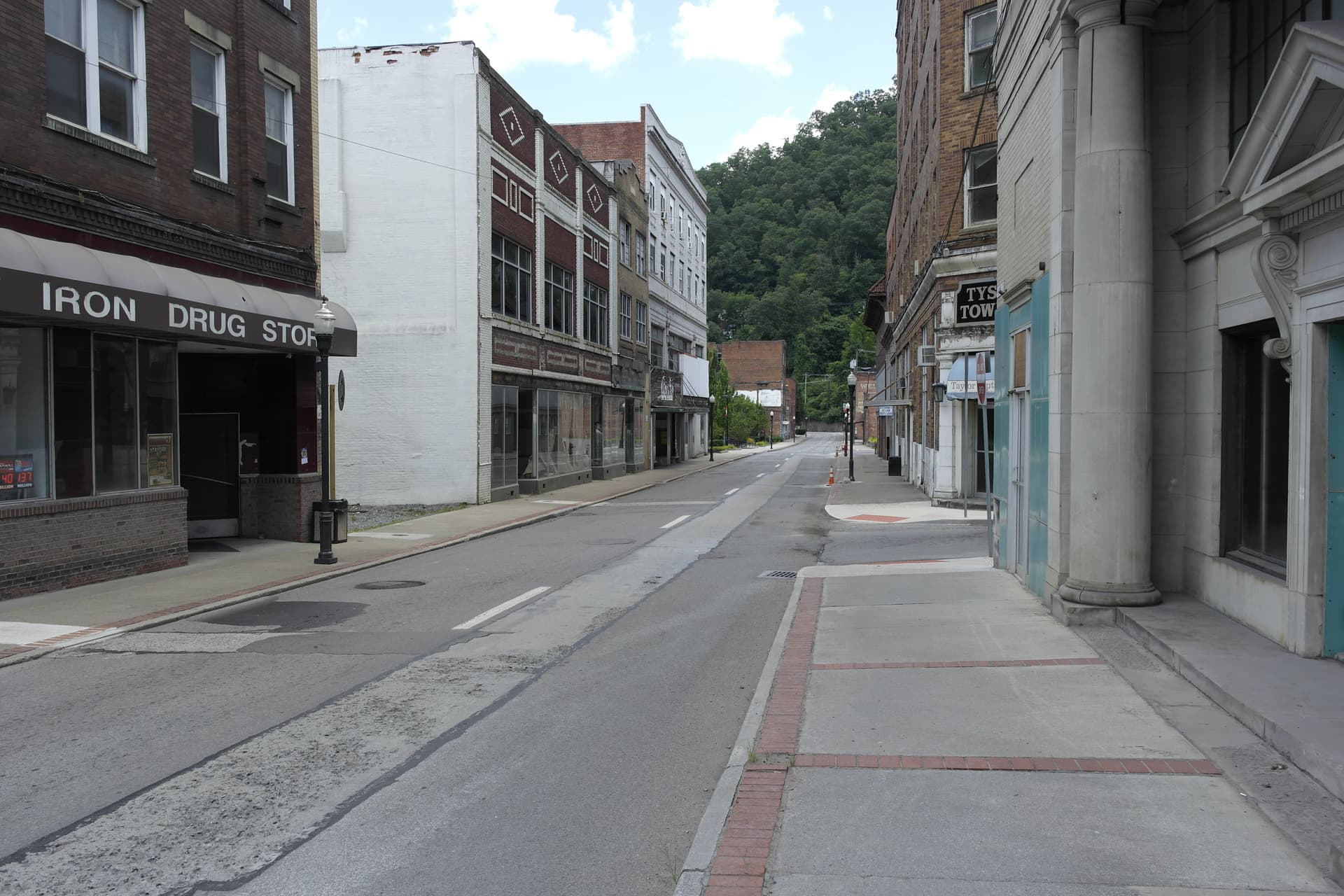
MSHA issues imminent danger order at McDowell County mine
MSHA ordered an immediate work stoppage at a McDowell County mine after inspectors found a hazard serious enough to endanger miners on the spot. The county has already seen one mine draw eight citations in a federal impact inspection.
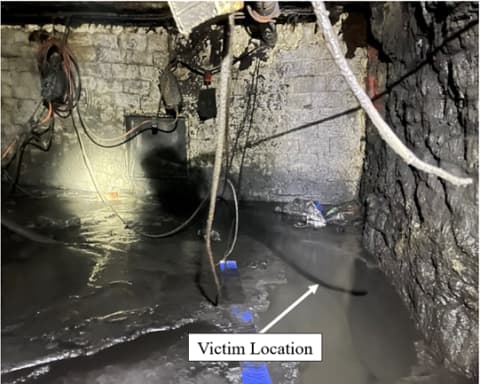
Federal mine-safety regulators have issued an imminent danger order at a McDowell County mine, forcing work to stop in the affected area until the hazard is corrected and the site is deemed safe. An order like that is one of the strongest tools the Mine Safety and Health Administration can use because it signals inspectors believed miners could face immediate harm if production continued.
An imminent danger order is not a routine citation. It is the federal government’s way of pulling miners out of a dangerous situation right away, whether the threat involves ventilation, roof control, electrical equipment, methane, water accumulation or unstable ground. The practical effect is immediate: work in the affected zone stops, production is interrupted, and the operator must make repairs or changes before MSHA allows a return to work.
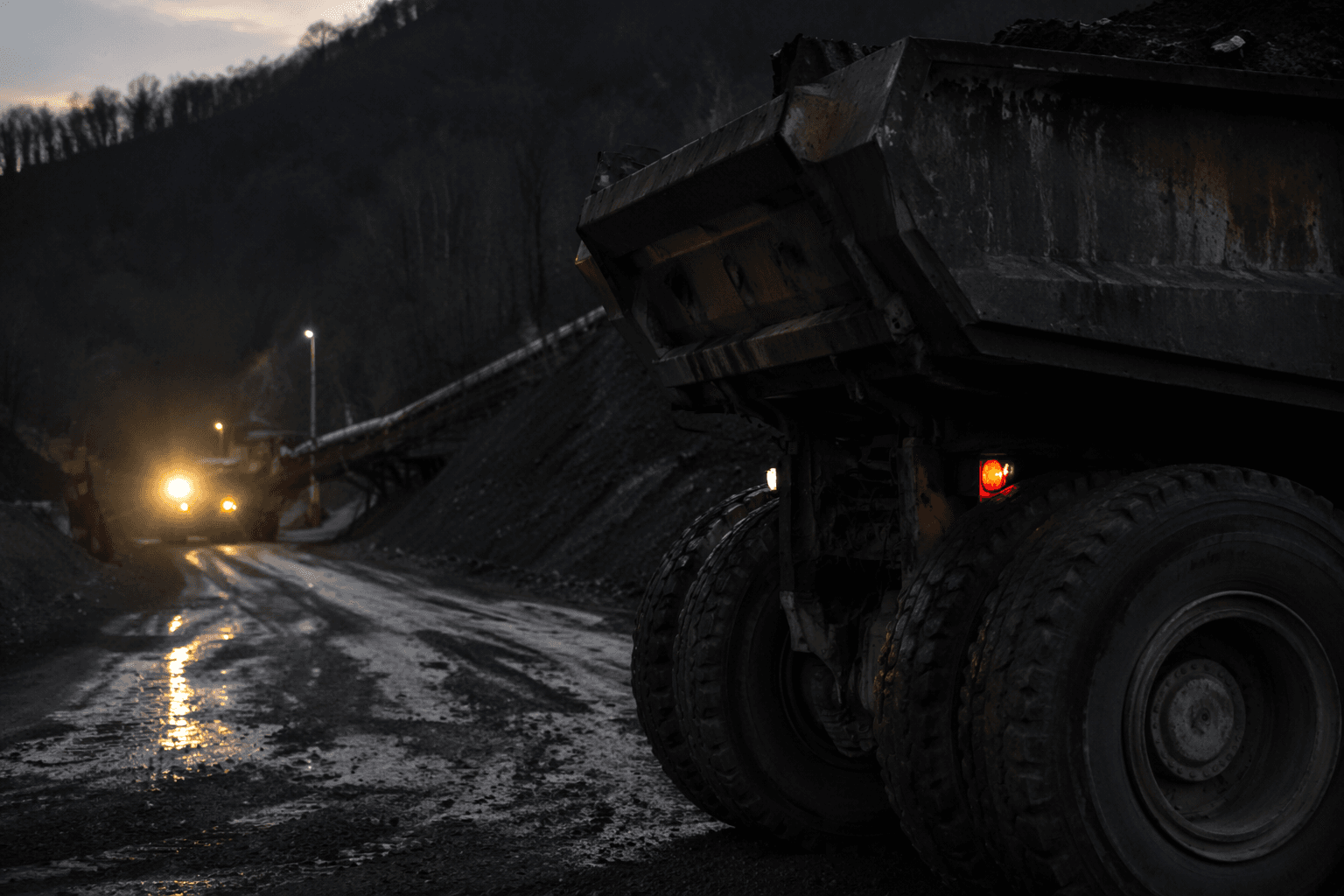
MSHA, a U.S. Department of Labor agency, administers the Federal Mine Safety and Health Act of 1977 and says its mission is to enforce mandatory safety and health standards to eliminate fatal accidents and reduce the frequency and severity of nonfatal accidents and illnesses. The agency also maintains a West Virginia-specific presence, underscoring how closely federal enforcement still tracks the state’s coalfields.
The order lands in a county where mining remains part of both the economy and the public memory, which is why enforcement actions draw close attention. McDowell County has already seen federal scrutiny this year: a JJ & E Coal Corporation mine in the county received eight citations in a federal impact inspection last month, one of several operations cited during that round of safety checks. That history raises a familiar question in the coalfields, whether regulators are confronting an isolated hazard or a broader pattern of unsafe conditions.
The timing also comes as mine safety remains a live issue across West Virginia. Separate mining accidents in the state claimed the first two coal-mining lives of 2026 within 24 hours of each other, adding urgency to every new enforcement action. At the same time, debate over federal mine safety standards continues after MSHA announced in April 2025 that it would halt enforcement of the silica dust rule.
For McDowell County miners and their families, the immediate issue is whether everyone got out safely and whether the danger order points to a deeper problem underground. For the operator, the mine cannot move forward in the affected area until federal inspectors say the hazard has been fixed.
This article was produced by Prism’s automated news system from verified source data, official records, and press releases, then run through automated quality and moderation checks before publishing. The system is built and supervised by the people who set the standards it runs under. Read our full AI policy.
Did this article answer your question?