McDowell County tourism promotes mountains, history, and local economic growth
McDowell County is betting history, trails, and mountain scenery can turn visitors into dollars for Welch, War, and Coalwood.
Mountains, history, and a revenue question
McDowell County’s tourism strategy is built around a blunt economic test: can scenery, trail access, and coal history bring enough people into town to help pay the bills? The county’s official tourism push says the goal is not just to attract visitors, but to promote local activities, lodging, dining, and places of interest that can support economic development in a county still searching for stable alternatives to coal.
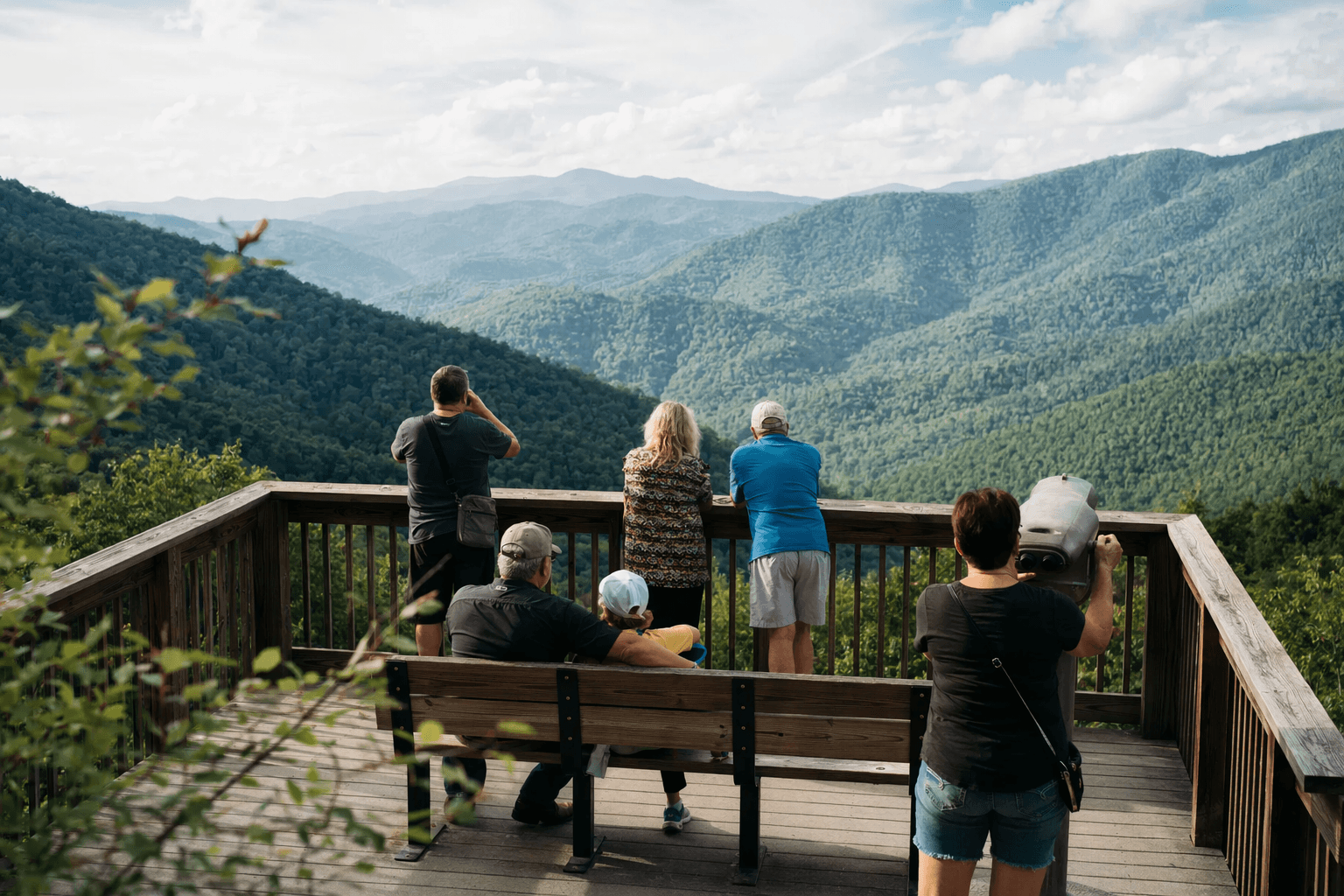
That is why the pitch leans so hard on the county’s mountains, forest land, scenic overlooks, and trail systems. It is also why the story is not really about branding. It is about whether a visitor who comes for a hike, an ATV ride, a historic marker, or a Rocket Boys stop actually spends money in Welch, War, Coalwood, and the other communities that have carried McDowell through its long economic decline.
Welch is the showcase
Welch sits at the center of that effort. The county seat has been in Welch since 1892, and the town was incorporated in 1893 and named for Isaiah A. Welch. It is located at the confluence of Elkhorn Creek and the Tug Fork, a setting that gives the town both its geographic identity and part of its visual appeal.
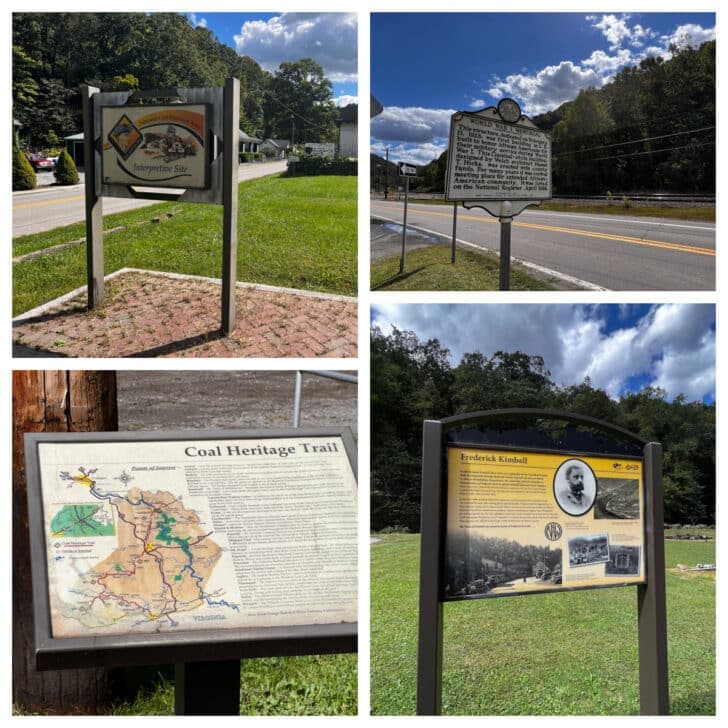
The county tourism site highlights Welch as a place where visitors can find National Coal Heritage Trail sites and the Merci Boxcar. The city’s own presentation reinforces that same identity, describing Welch as a coal community in the Appalachian Mountains where ATV riding, hiking, annual community events, and local history are part of daily life. In practice, Welch is trying to be more than a county-seat stop. It is trying to be the front door to McDowell’s post-coal visitor economy.
For the county, that matters because Welch is one of the few places where tourism can be organized into a walkable, recognizable downtown experience. When a county has only 17,943 estimated residents in 2024 and a median household income of $31,559, even modest foot traffic can have an outsized effect on a diner, a gas station, or a small lodging property.

Coal heritage as an asset, not just a memory
McDowell’s tourism pitch is strongest when it turns its industrial past into something visitors can see and move through. Visit Southern West Virginia describes the county as deep in coal country and notes that it once held the distinction of being the world’s leading coal-producing county. The broader National Coal Heritage Area covers 5,300 square miles in southern West Virginia, shaped by coal deposits, company towns, immigrant laborers, and the industry that once dominated the region.
That history is not just backdrop. It is the substance of the visitor experience. McDowell County was West Virginia’s third-most-populous county in 1920, with 68,571 residents, a scale that shows how powerful the coal economy once was. The U.S. Census Bureau counted 19,111 residents in the 2020 Census, then estimated 17,943 in 2024. That decline helps explain why tourism leaders keep returning to the same argument: if coal no longer supplies the jobs it once did, the county needs another way to turn its landscape and history into income.
The numbers make the stakes plain. McDowell’s employment rate was 24.9% in the 2024 profile, the bachelor’s degree attainment rate was 6.8%, and the unemployment rate stood at 11.4% in January 2026. In that setting, tourism is not a decorative add-on. It is one of the few sectors with the potential to create small but visible gains across multiple towns at once.
The stops that make the pitch real
McDowell’s tourism story gains credibility when it points to places visitors can actually reach. The Merci Boxcar in Welch is one of the county’s most distinctive historical stops. It was given to the people of West Virginia by the people of France on February 7, 1949, and it remains one of 49 boxcars sent to the United States after World War II as gifts of appreciation. That gives Welch a landmark with both local meaning and national resonance.

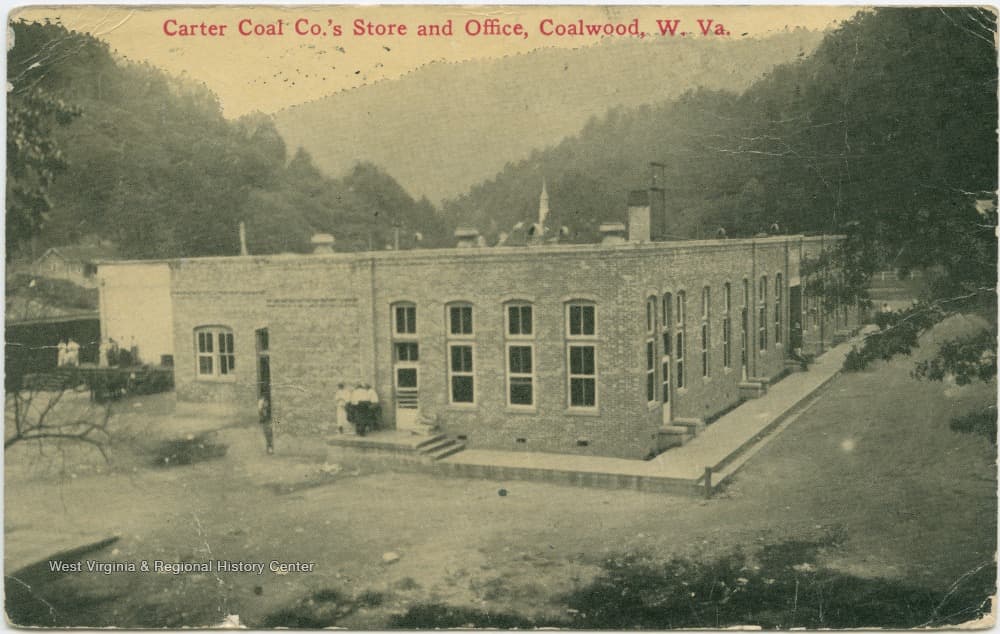
Coalwood offers another example. About 8 miles south of Welch, visitors can stop at a Coal Heritage Kiosk and see some of the buildings tied to Homer Hickam’s Rocket Boys and October Sky story. That connection matters because it turns literary memory into physical tourism. People do not just read about the town, they drive through it, stop there, and potentially spend money there.
The trail system reinforces the same pattern. The Hatfield-McCoy Trail system’s Warrior trailhead is in the city of War, and the full trail system stretches more than 1,000 miles. For McDowell, that is more than an outdoor recreation amenity. It is a traffic engine. Riders who come for the trails need fuel, food, repairs, rooms, and places to gather after a day on the trail, which is exactly where small businesses can feel tourism first.
What success would look like in daily life
The real measure of McDowell’s tourism plan is not whether the county looks good in a brochure. It is whether the money reaches the places where people live and work every day. Success would mean more occupied rooms in local lodging, fuller dining rooms in Welch, steady sales at gas stations and convenience stores along the trail routes, and more reason for event organizers to keep bringing people back.
It would also mean that the county’s historic identity finally starts producing a broader economic return. The tourism initiative run through the Council of the Southern Mountains is meant to promote economic development alternatives through tourism, and that phrase only matters if it translates into visible change on the ground. In a county with more than 533.5 square miles of land, a shrinking population, and a labor market still under strain, even a modest increase in visitor spending can shape whether a storefront stays open, whether a seasonal business returns next year, and whether Welch keeps its role as the county’s most important gathering place.
McDowell County is not selling a fantasy. It is trying to turn mountains, coal history, and trail access into a working business model. The question now is whether the visitors who come for the scenery and the story will leave behind enough dollars to make that model real.
This article was produced by Prism’s automated news system from verified source data, official records, and press releases, then run through automated quality and moderation checks before publishing. The system is built and supervised by the people who set the standards it runs under. Read our full AI policy.
Did this article answer your question?