McDowell fishing guide highlights trout streams and Panther WMA
Trout streams, Panther State Forest and Anawalt Lake give McDowell County low-cost public land options close to Welch, with access details that make a weekend trip practical.
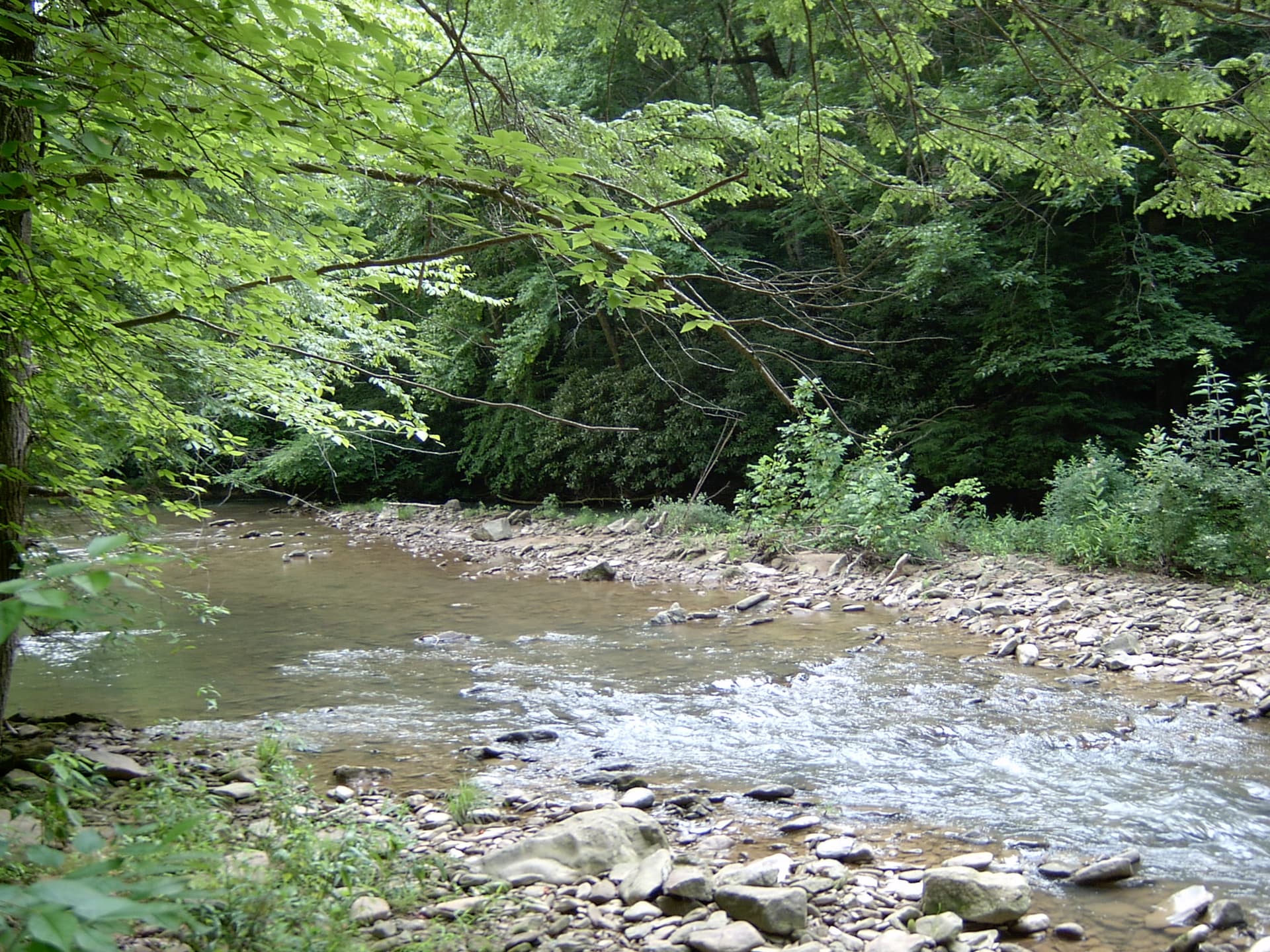
McDowell County’s best outdoor trips do not require a long drive or a big budget. From trout water on Elkhorn Creek and the Tug Fork to the forested ground around Panther and Anawalt, the county still offers public places where you can fish, camp and watch wildlife within easy reach of Welch.
Elkhorn Creek and the Tug Fork
Elkhorn Creek is one of the clearest signs that McDowell’s outdoor life still runs through water, not just roads. The stream is a 23.7-mile tributary of the Tug Fork in McDowell and Mercer counties, and the county’s fishing guide points anglers to brown and rainbow trout there. That makes it more than a map feature. It is a real close-to-home option for people who want trout water without turning a day trip into a road trip.
The Tug Fork itself is the other major piece of the picture, especially for anglers coming from the county seat. Access is about 10 miles northeast of Welch via U.S. Route 52 to Premier, which keeps the river system within practical reach for a weekend outing. For anyone planning to cast a line, the state’s guidance is straightforward: check the regulations summary and make sure you have a valid fishing license before you go. During stocking periods, the West Virginia Division of Natural Resources posts stocking schedules online by the end of each business day and also makes them available by hotline, which helps anglers time their trips around fresh water.
Panther State Forest puts fishing, camping and group space in one place
Panther State Forest remains one of McDowell County’s most useful public recreation assets because it combines fishing access with overnight stays and day-use space. The forest covers 11,389 acres, making it a sizable block of rugged land, and it is West Virginia’s southernmost state forest. Its history is tied directly to local support: the Welch Daily News led a “Pennies for Panther” campaign in 1940 that raised more than $9,000 in community donations to help establish the site.
For a fishing weekend, Panther’s most important feature is Panther Creek, which is stocked seasonally with trout. The forest also has six campsites along Panther Creek with electric hookups, fire rings and picnic tables, so it works for visitors who want a simple overnight stay near the water. The setup is practical for families, too, because the recreation area includes a 60-person barracks-style group camp and a main building with a modern kitchen and fireplace. That mix gives Panther a role not just as a fishing stop, but as a place for reunions, club outings and small events.
The broader recreation menu matters as well. Panther’s activities include hiking, swimming, picnicking, fishing and hunting, which means the same trip can cover several uses without moving the car much at all. State-park information also notes that water access is available at the park office about 2.5 miles from the campground, and reservations are available for part of the camping season. For visitors planning ahead, those details can be the difference between a smooth weekend and a scramble.
Panther Wildlife Management Area and the wildlife side of the county
Panther Wildlife Management Area extends the Panther name into a larger hunting and wildlife landscape. The WMA covers 7,820 acres of mountainous, mostly forested land in McDowell County and includes trout fishing on Panther Creek, primitive campsites, picnic shelters, picnic tables and scenic surroundings. It is the kind of place where the emphasis shifts from developed amenities to public land access, but it still gives residents a place to fish, hike and spend time outdoors without paying for a private venue.
It also has a clear wildlife-management function. Panther supports hunting for squirrel, grouse and other game, while deer hunting is limited to bow hunting. Trapping is mainly for fox and bobcats. For local hunters, that matters because it defines how the land is used across seasons, and for everyone else it explains why Panther is as much about habitat as it is about recreation.
Anawalt Lake gives McDowell another public-lands option
About 20 miles southeast of Welch, Anawalt Lake Wildlife Management Area offers another public place to fish and watch wildlife. The site covers 1,792 acres of steep, mountainous hardwood forest with oak-hickory terrain, and access runs from State Route 103 south out of Welch to State Route 161, then County Route 84 to Anawalt and County Route 8 to the WMA. That route structure makes it reachable, but it also signals that visitors should expect a more rural, back-road approach than they would at a roadside park.
The WMA map shows fishing access, paved and improved roads, unimproved trails and property boundaries, which helps set expectations before a trip begins. Anawalt supports trout stocking and warm-water fishing, along with interior roads and trails for foot travel. It also holds habitat for deer, bear, turkey, squirrel and ruffed grouse, so the site has value well beyond a fishing stop. If Panther is the county’s mixed-use outdoor hub, Anawalt is the bigger, rougher landscape where fishing and wildlife viewing sit alongside hunting ground.
Why these places matter beyond recreation
McDowell County was created on February 28, 1858, and its population story helps explain why places like these matter so much now. The county’s population reached 98,887 in 1950 and fell to 16,916 in 2020. Welch followed a similar path, peaking at 6,603 in 1950 and dropping to 3,590 in 2020. In a county that was once among the state’s most populous coalfield counties, public outdoor land helps fill a practical gap: it gives residents low-cost places to spend a day, and it gives visitors a reason to come into town.
The economic numbers show that those trips add up. Tourism supported 1,429 jobs in McDowell County in 2021 and contributed more than $56 million in labor income. Visitor spending generated $8.6 million in state taxes and $9.2 million in local taxes. That is why the county’s tourism effort keeps pushing outdoor recreation, lodging and historical sites, while mailing more than 6,000 visitor guides and working with the state tourism office on digital discovery tools.
McDowell’s identity is still tied to its history, but its trout streams, wildlife areas and forest campgrounds show another side of the county that is open, usable and close enough for a weekend.
This article was produced by Prism’s automated news system from verified source data, official records, and press releases, then run through automated quality and moderation checks before publishing. The system is built and supervised by the people who set the standards it runs under. Read our full AI policy.
Did this article answer your question?