McDowell tourism site markets county as adventure and heritage destination
Explore McDowell pitches the county as a trail-and-history destination, but the real test is whether that story is showing up in open businesses and downtown activity.

A tourism pitch with an economic test attached
Explore McDowell presents McDowell County as a place to stay, spend, and return, not just drive through. That framing matters in a county of 19,111 people, where even a modest rise in visitor spending can make a real difference for restaurants, lodging providers, outfitters, and event organizers.

What the site is really saying
The official tourism guide calls itself McDowell County’s front door and says the county’s tourism initiative exists to promote economic development alternatives through tourism. That is a blunt acknowledgment that the site is doing more than marketing scenery. It is trying to turn travel into a business strategy.
Just as important, the site says the businesses and services listed there are not endorsements or recommendations by the McDowell County Convention and Visitors Bureau. That makes the page useful as a planning tool, but not a guarantee. Visitors still have to check what is open, what is operating reliably, and what fits the trip.
Why the county is leaning on tourism
McDowell’s tourism push rests on a straightforward local reality: a small county cannot wait for one big employer or one big project to solve everything. Tourism is not a replacement for deeper economic change, but it can send dollars into local hands quickly, especially when travelers buy meals, book rooms, pay for supplies, or stop for fuel on the way to a trail.
That is why the branding language deserves close reading. When the county says tourism is an economic development alternative, it is saying visitor traffic matters not just for the economy in the abstract, but for whether a diner stays open, whether a lodge fills rooms, and whether a local storefront can justify keeping the lights on. In a county this size, the question is not whether tourism is glamorous. It is whether it helps pay the bills.
History is part of the product
McDowell County has a tourism story built on layers of history, and the site leans into that strength. The county was created on February 28, 1858, from part of Tazewell County, Virginia, and was named for Virginia Governor James McDowell. The county’s identity also stretches back to 1756, when Major Andrew Lewis camped in what is now Iaeger, giving the county a frontier-era marker that sits alongside its coalfield past.
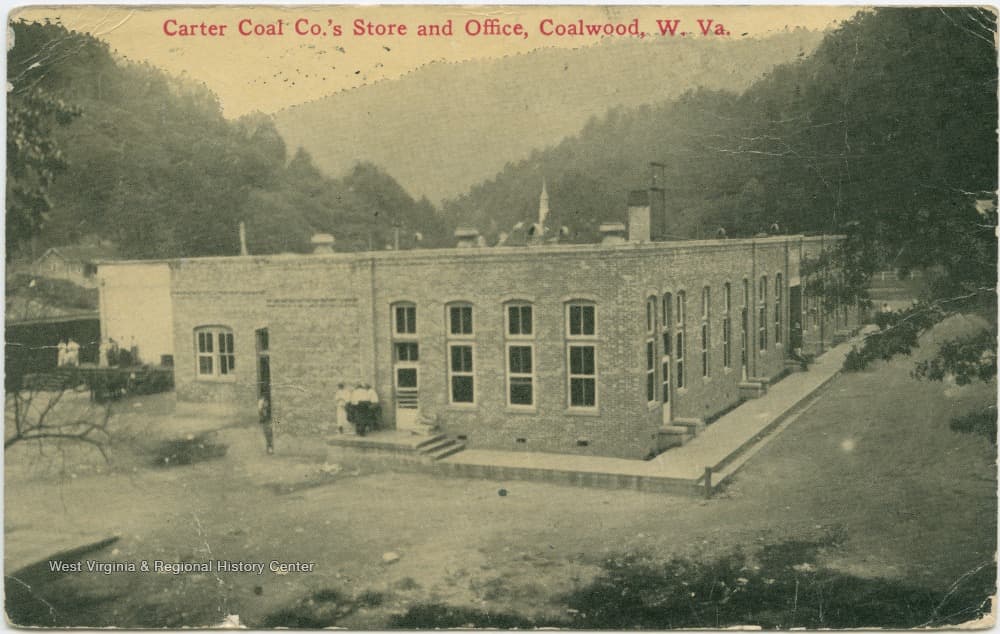
The best-known cultural reference point is Coalwood, where Homer Hickam’s memoir Rocket Boys, later adapted into October Sky, gave the county a place in national memory. That kind of recognition matters because heritage tourism works when place and story reinforce one another. McDowell has a rare advantage in that it can sell both the landscape and the narrative attached to it.
Kimball and Welch give the story real landmarks
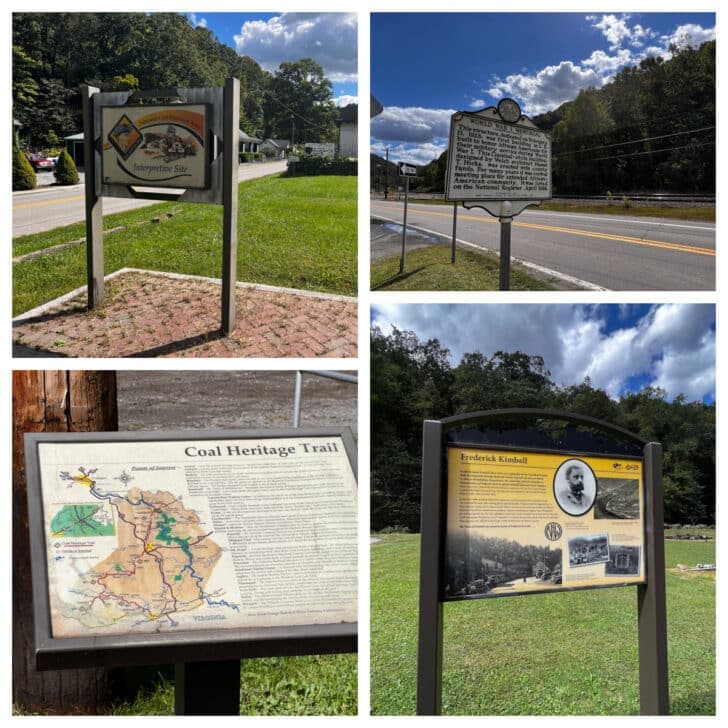
The county’s heritage assets are not just broad themes on a webpage. In Kimball, the World War I Memorial stands out as one of the county’s most important sites, and the West Virginia Encyclopedia says it was the first building in the United States erected to honor Black veterans of World War I. Completed in 1928 and listed on the National Register of Historic Places in 1993, it gives McDowell a historic claim that reaches far beyond county lines.
Welch adds another piece of that history through the Merci Boxcar, which was given to the people of West Virginia by the people of France on February 7, 1949. Landmarks like these matter because they turn a quick visit into a meaningful stop. They give the county more than a scenic image; they give it a reason for visitors to pause, learn, and spend time in town.
Outdoor access is the other half of the equation
McDowell’s tourism pitch also depends on the outdoors, especially the Hatfield-McCoy Trails and nearby Panther State Forest. West Virginia tourism materials describe the county as a stop along the Hatfield-McCoy Trail Systems and as a place that combines adventure, history, and small-town charm. That is the language of a county trying to convert trail traffic into local revenue.
The real economic value comes when those trail users do more than pass through. If riders stop for gas, eat in town, book a room, or buy supplies, the trail system begins to work as a local business engine. Panther State Forest strengthens that draw, but the county’s return depends on whether the visitor economy reaches beyond the trailheads and into nearby streets and storefronts.
The gap between branding and visible change
This is where McDowell’s tourism story becomes a reality check. The county has assets, and the official guide does a practical job of gathering them in one place. But a tourism brand only becomes economic development when it produces visible change: fuller parking lots, occupied rooms, open storefronts, and businesses that can support steadier hours and better staffing.
That is the standard the county now has to meet. The history is real. The trail access is real. The landmarks in Welch, Kimball, Iaeger, and Coalwood are real. What still has to be proved is whether the marketing language is translating into a larger base of visitors, stronger small businesses, and enough local activity to make tourism feel less like a slogan and more like a source of income.
This article was produced by Prism’s automated news system from verified source data, official records, and press releases, then run through automated quality and moderation checks before publishing. The system is built and supervised by the people who set the standards it runs under. Read our full AI policy.
Did this article answer your question?