USDA grant cancellation slows McDowell County farm development work
USDA’s grant cancellation froze work on 350 acres in McDowell County, delaying farm plans for goats, chickens, bees and orchards as spring planting season moved on.
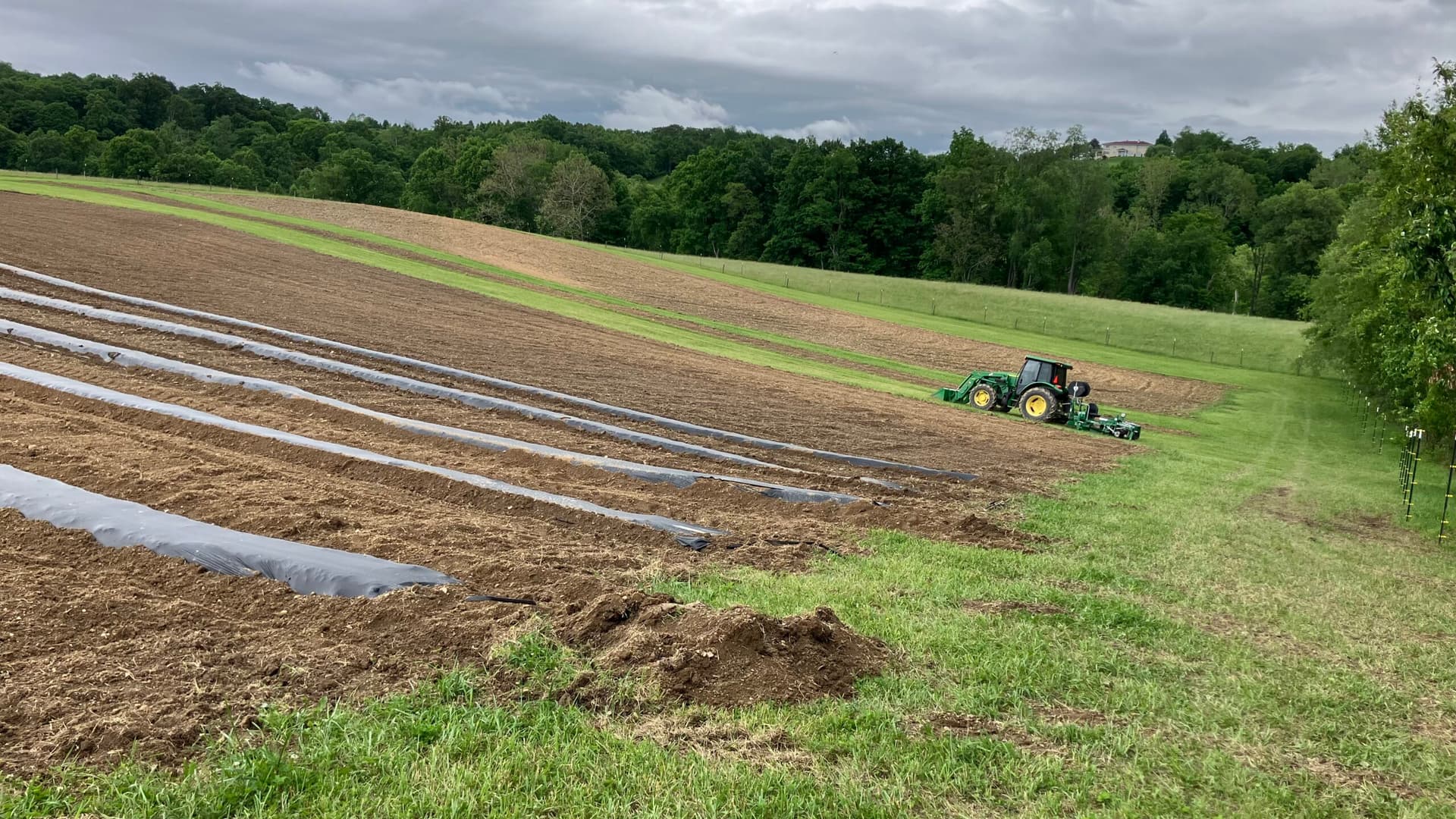
The sudden end of a USDA grant program has slowed farm development work on 350 acres of formerly logged land in McDowell County, putting expansion plans for meat goats, mountain-range chickens, honeybees and fruit orchards on hold.
Economic Development Greater East, known as EDGE, had been using the federal support to build agribusiness opportunities for local producers. Now those plans are stalled after USDA sent termination notices on March 23 and made them effective March 26, ending the Increasing Land, Capital, and Market Access Program that had been structured as about 50 five-year projects starting in 2023.
The cuts reached far beyond West Virginia. National Young Farmers Coalition said 49 of the 50 projects were terminated, wiping out nearly $300 million across 40 states and territories. In West Virginia, the cancellation ended an $8.5 million, five-year cooperative agreement with the WVU Institute for Community and Rural Health.
For McDowell County, the timing matters as much as the money. EDGE co-founder Jason Tartt has said the county is one of the poorest in the country and that about 70 percent of the land is owned by corporations and mostly sits unused. In a place where land access is already a barrier, losing a program built around land, capital and market access means fewer chances for small farm businesses to get started or grow.
The county’s numbers show why. McDowell had a population of 19,111 in the 2020 census and an estimated 16,878 residents in 2025. Median household income was about $20,668 in 2024, and unemployment was 10.2% in 2026. Those figures leave little room for error when a farm owner needs to buy a lease, add fencing, order feed or bring a new product to market.

EDGE itself was created to fill education and economic-support gaps in McDowell County’s agriculture system. The group says it was founded in 2016 by volunteers, while another profile says Tartt and Amelia Bandy started the social enterprise in 2015. Either way, the mission has been the same: turn unused land into income-producing ground for local residents who want to farm.
That mission now faces a setback rooted in the county’s history. The West Virginia Encyclopedia says Pocahontas Coal & Coke Company, through its successor Pocahontas Land Corporation, acquired more than 300,000 acres, mostly in McDowell and Mercer counties. That long-running concentration of corporate land ownership still shapes who can farm and who cannot.
Bandy said the cancellation does not end EDGE’s work, but it slows progress at the worst possible moment because the growing season is already underway. For McDowell County, the loss is not abstract. It delays planting, pushes back sales and keeps more land idle in a county where economic recovery depends on whether residents can actually get access to land and use it.
This article was produced by Prism’s automated news system from verified source data, official records, and press releases, then run through automated quality and moderation checks before publishing. The system is built and supervised by the people who set the standards it runs under. Read our full AI policy.
Did this article answer your question?