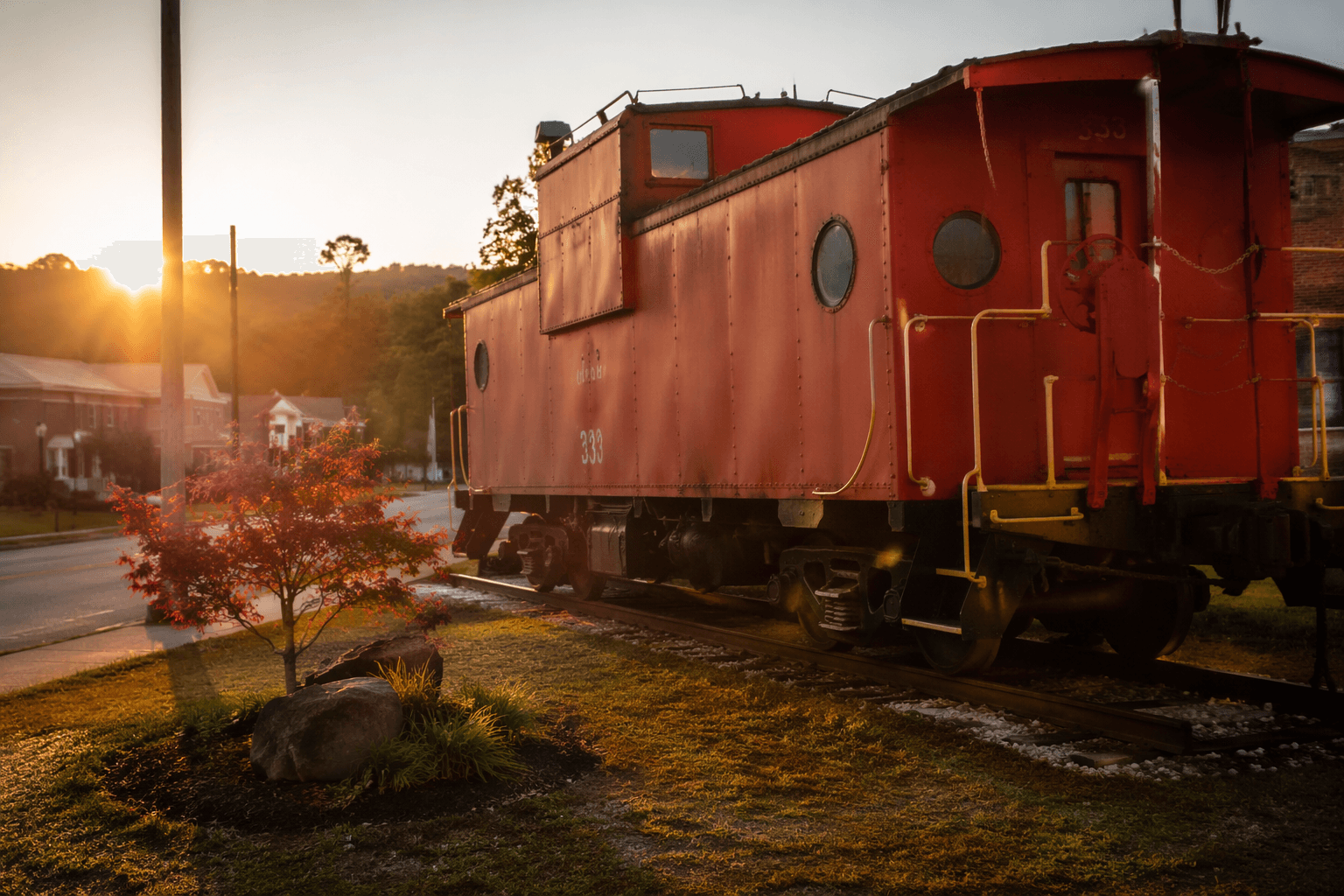
Welch visitor page highlights coal heritage, lodging and arts center
Welch is pitching coal heritage, lodging and the arts center as a tourism asset. The question is whether that story is detailed enough to drive overnight stays and downtown spending.

Welch tries to sell an identity, not just a courthouse
Welch is trying to turn its coal identity into an economic asset at a time when McDowell County’s population has slipped from 19,111 in the 2020 Census to an estimated 16,878 on July 1, 2025. The county seat has been in Welch since 1892, the city was incorporated in 1893, and that long civic role now sits beside a harder question: can heritage tourism help generate real spending downtown?
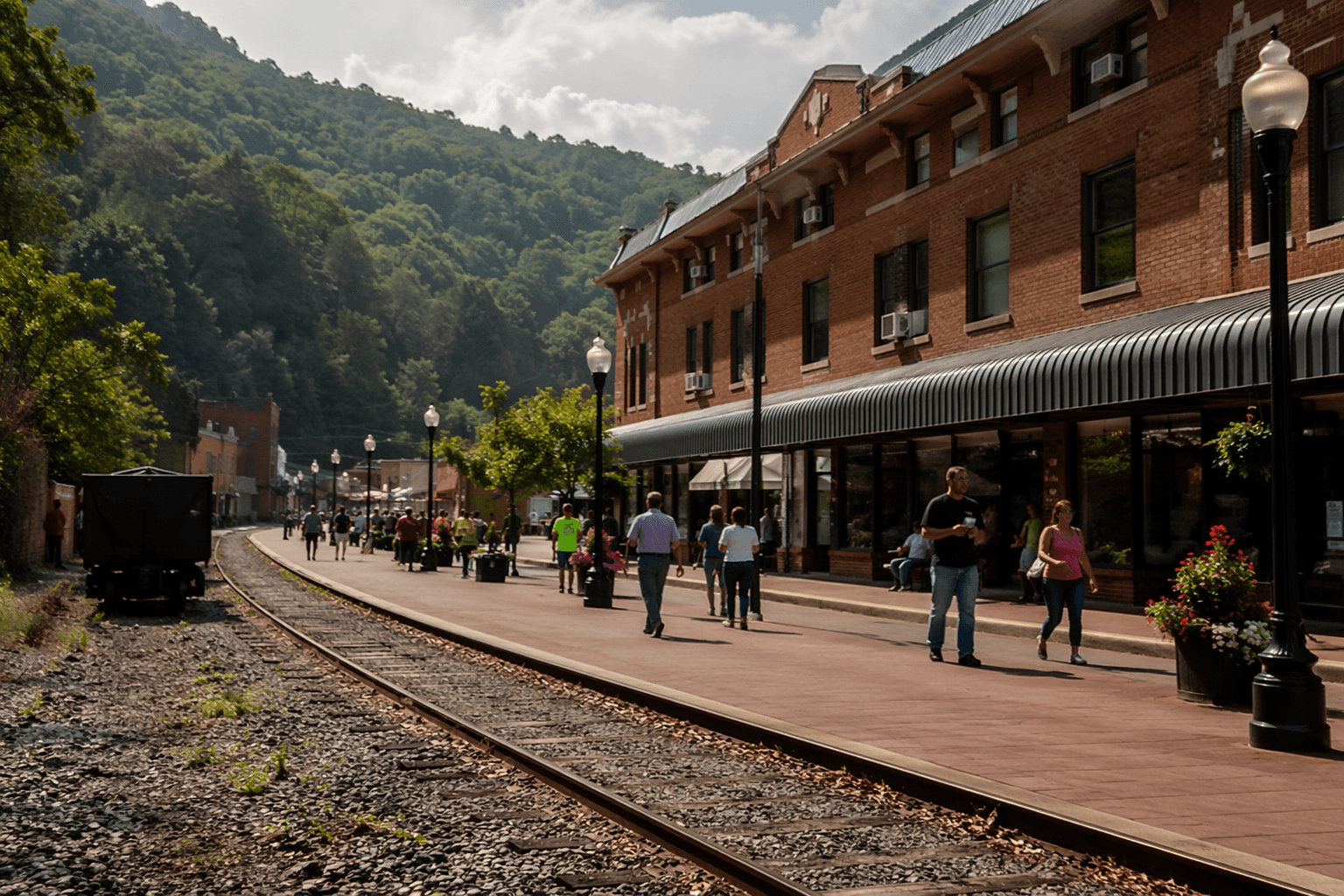
The city’s visitors page suggests that Welch wants to be seen as more than an administrative center. It presents the town as CoalTown USA, a place rooted in Appalachian coal history and still shaped by residents who work in the industry. For a county that has spent years fighting population loss, that kind of branding is not just cultural pride. It is an economic strategy built on the hope that history, lodging, art and community events can bring people in and keep them long enough to spend money.
CoalTown USA is the brand
Welch’s official messaging leans hard into coal heritage. The city describes itself as CoalTown, USA and says the area remembers its mining traditions while honoring the people who still work in coal. That message matters because it gives the county seat a clear identity at a time when many small places are competing for the same shrinking pool of visitors, day trippers and overnight travelers.
The county tourism site reinforces that pitch by framing Welch as a place to visit for history, food, lodging and charm. It also highlights the fact that Welch has served as McDowell County’s seat since 1892, which gives the town a built-in story line that goes beyond nostalgia. In tourism terms, Welch is not trying to sell a generic mountain stop. It is selling a specific place where coal history, local institutions and the county’s civic life intersect.
That approach has value, but it also sets a standard. A heritage brand only works if it helps a visitor answer the practical question: why stop here, what do I do, and how do I stay long enough to make the trip worth it?
What visitors can actually use
The visitors page does point people toward concrete places to stay. It mentions lodging options, cabins and bed-and-breakfasts, and it directs travelers to the McDowell County Convention and Visitors Bureau for alternate stays. That is a useful start because overnight stays are what turn sightseeing into lodging revenue, and lodging revenue tends to spill into local restaurants, gas stations and small shops.
The page also tries to make Welch feel navigable rather than abstract. That matters in a county seat that can easily be reduced to government business, flood recovery and public-service headlines. A visitor page works best when it answers the basic trip-planning questions clearly and quickly, and Welch’s version does some of that by naming where people can sleep and where they can look for more help.
Still, the page’s biggest strength is its identity, not its logistics. It makes Welch sound like a place with a story, but a stronger tourism page would do even more to convert that story into spending by spelling out the small details that matter to travelers: where to eat, where to park, how to get from one attraction to another and which stops can realistically fill a half day or a full day downtown. In a place trying to turn heritage interest into sales, that missing clarity is not cosmetic. It is money left on the table.
Arts, dogs and other civic anchors
One of Welch’s most important visitor anchors is the Jack Caffrey Arts and Cultural Center at 143 Wyoming Street. The city describes it as a historically renovated structure with a mission centered on remembering the past, reawakening heritage and re-imagining the future through arts and education. That combination makes the center more than a building. It gives Welch a venue that can support exhibits, gatherings and public programming, which in turn can help downtown feel active rather than merely symbolic.
The city also points visitors to Linkous Park, where the CoalTown USA Dog Park now operates. It is a small detail, but it matters. Public spaces like that help make a town feel usable, welcoming and worth lingering in, especially for families, road trippers and people passing through the region with pets in tow.
Those kinds of amenities may not sound as dramatic as a museum or a festival, but they are the pieces that make a tourism district function. If Welch wants more than drive-by curiosity, it needs places where people can stay outside the car, walk around, and see that the town has daily life as well as history.
The coal trail and flood memory
Welch’s tourism story also rests on the larger coal heritage landscape. The county tourism site highlights the Merci Boxcar and National Coal Heritage Trail sites in Welch, giving the town a direct connection to the region’s mining legacy. The Merci Boxcar park carries additional meaning because it was developed after the devastating flood in May 2002, tying Welch’s heritage story to one of the region’s most difficult modern memories.
That mix of coal history and flood recovery gives Welch a layered identity. It is not presenting itself as a polished resort town. It is presenting itself as a place where history is visible in the landscape, where the past remains embedded in the public record, and where recovery and memory are part of the same visitor experience.
For a county with a shrinking population and persistent economic pressure, that story line can be powerful. It offers visitors something more than scenery. It offers context, and context is often what persuades people to stop, look around and spend.
A calendar built to pull people downtown
Welch’s events calendar shows that the city is trying to build repeat reasons to come back. Recurring highlights include the WV CoalFields Cookoff, the WV State BBQ Championships on the second weekend in June, the CoalTown Beach Bash, the CoalTown Fall Festival, the Welch Haunted Hayride, Veterans Day Parade, CoalTown Christmas activities, National Coal Miners Day on December 6 and the New Years Coal Drop on December 31.
That calendar matters because events are one of the quickest ways to turn branding into foot traffic. A festival, parade or holiday event can fill downtown streets, create reasons to buy meals and lodging, and give travelers a deadline for planning a visit. The pattern here is clear: Welch is trying to use heritage not as a static memory, but as an annual schedule of occasions that can bring residents and visitors into the same public spaces.
The tourism site’s broader economic logic is explicit as well. Its initiative is aimed at encouraging economic development alternatives through tourism. That is the key phrase for Welch and for McDowell County. The county does not need a prettier slogan. It needs more reasons for people to arrive, stay overnight and spend money in town.
Welch’s visitor page is strongest when it treats coal heritage, arts and local events as part of the same civic economy. It becomes weaker when it stops short of the practical trip-planning details that would turn that identity into downtown sales. In a county where every extra visitor matters, the page is a useful start, but not yet a finished sales pitch.
This article was produced by Prism’s automated news system from verified source data, official records, and press releases, then run through automated quality and moderation checks before publishing. The system is built and supervised by the people who set the standards it runs under. Read our full AI policy.
Did this article answer your question?