Flock license plate readers expand across Navajo Nation communities
Flock readers are moving onto Navajo Nation roads, with officials saying the cameras can help track stolen cars and build evidence across McKinley County corridors.
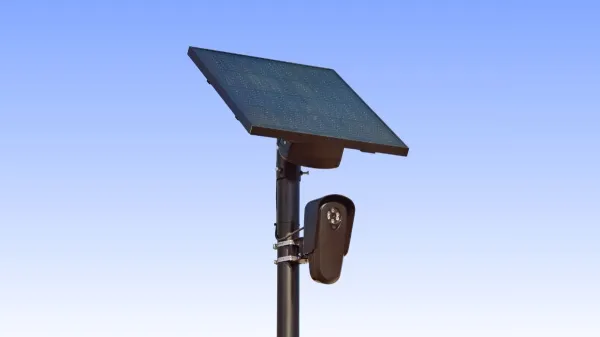
Flock license plate readers are being installed in various Navajo Nation communities, adding automated surveillance to roads many McKinley County residents use every day to reach Gallup and nearby routes into Zuni-area communities. Supporters say the cameras are meant to help officers track stolen vehicles, identify cars tied to crimes and respond faster to calls for service.
The Navajo Nation Law and Order Committee received a report from Flock Group, Inc. on Aug. 25, 2025, presented by Cameron Lewis, on license plate reader technology for the Navajo Police Department and Criminal Investigation. Two days later, the Navajo Nation Council Office of the Speaker issued a press release quoting a supporter who said, “This license plate reader technology will change how the Navajo Nation addresses crime and will improve public safety by recording and storing evidence...”
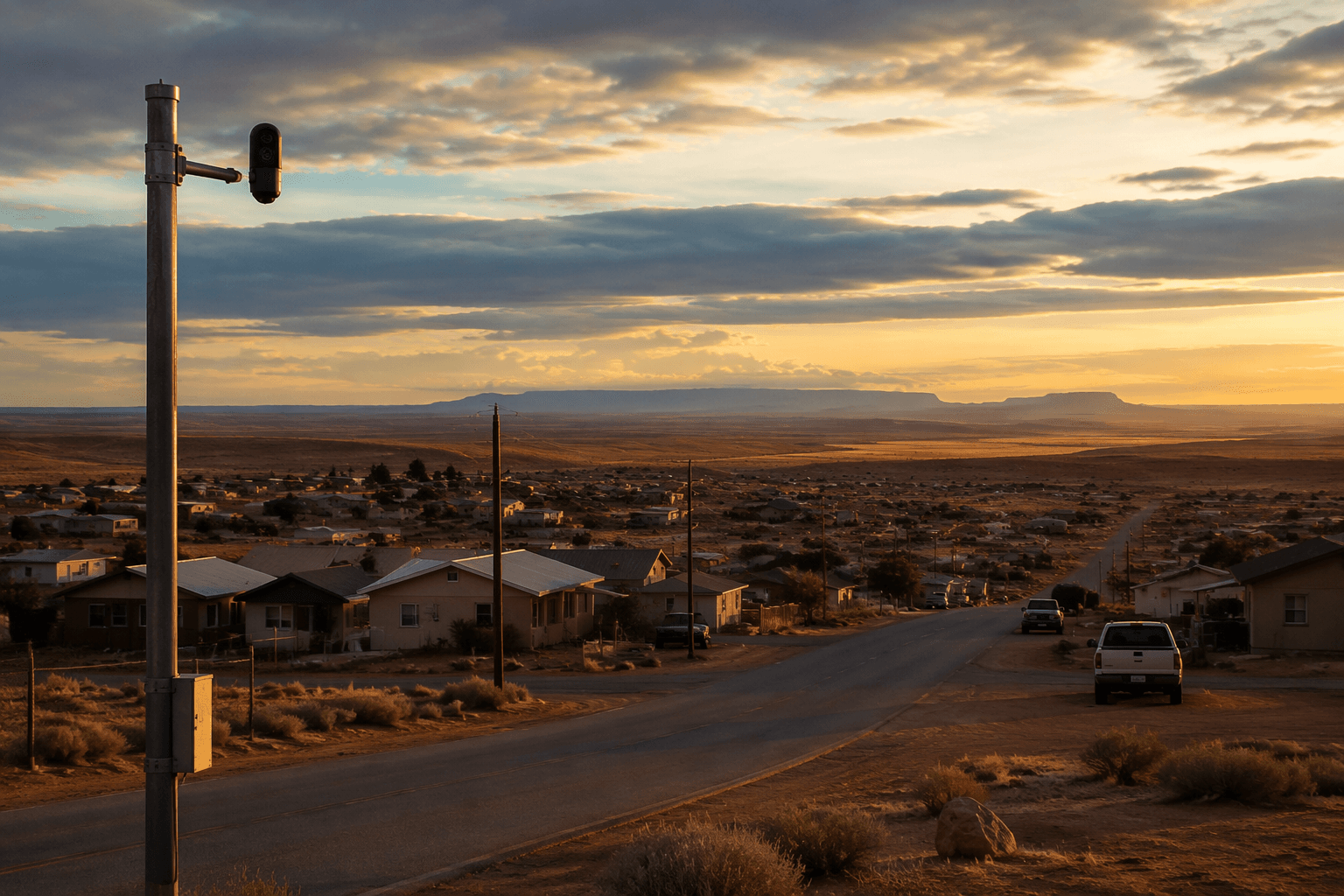
Flock describes its readers as tools that capture plate data for public-safety and investigative purposes. That same pitch has fueled a broader debate in New Mexico, where state police deployed advanced license-plate-reading cameras in 2024 with the ability to track stolen cars and locate missing persons. By July 2025, New Mexico lawmakers were eyeing regulation of the technology, and by the start of 2026 civil-rights advocates were confronting license-plate surveillance in the state.
The privacy concerns are straightforward: the cameras do not just flag a wanted vehicle, they also record ordinary travel on roads, at intersections and in other high-traffic places. The ACLU of New Mexico describes ALPRs as cameras mounted on patrol cars or on objects along roads that snap a photograph of every license plate. New Mexico has also adopted limits on how police can share data from automated license plate readers, underscoring that the public-safety case for the systems is now matched by a push for rules around access and use.
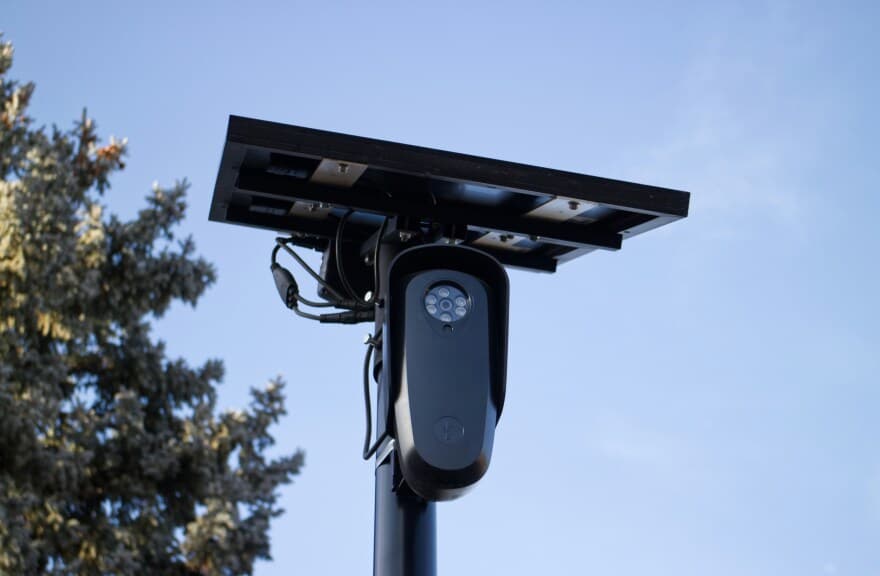
The technology is spreading beyond the Navajo Nation, too. In Snowflake, Arizona, the town council accepted a $75,250 grant to buy Flock license-plate cameras for Snowflake and Taylor. For drivers moving through Gallup, the Navajo Nation and surrounding McKinley County routes, that means more automatic eyes on the roads and more pressure on officials to explain who can see the data, how long it is kept and what local say existed before the cameras arrived.
This article was produced by Prism’s automated news system from verified source data, official records, and press releases, then run through automated quality and moderation checks before publishing. The system is built and supervised by the people who set the standards it runs under. Read our full AI policy.
Did this article answer your question?