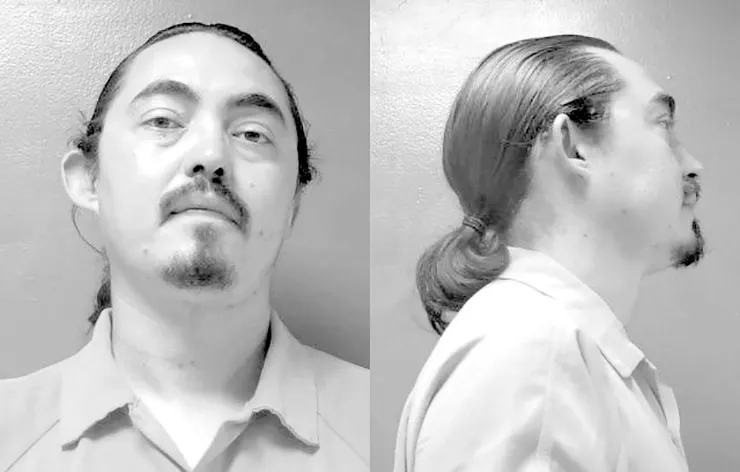
New Mexico Supreme Court upholds Detsoi removal challenge rejection
Brent Detsoi stays barred from the bench after the state high court rejected the challenge to New Mexico's judge-discipline process. The ruling leaves his McKinley County removal intact.
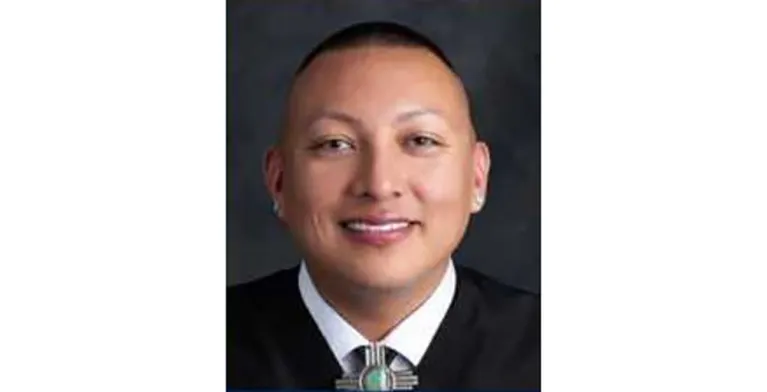
McKinley County Magistrate Judge Brent Detsoi remained off the bench and permanently barred from judicial office after the New Mexico Supreme Court rejected a constitutional challenge to the state process used to investigate and discipline judges. The July 10 opinion left the earlier removal order in place and closed one route aimed at undoing the case.
The ruling matters in Gallup and across McKinley County because Detsoi’s removal carried serious allegations and has now survived another legal test. KRQE reported on Feb. 25, 2026, that Detsoi was permanently and immediately removed from the bench for violating the Judicial Code of Conduct, and court records listed 23 separate accusations. Those accusations included violating due process for multiple defendants, retaliation and showing bias against certain defendants.
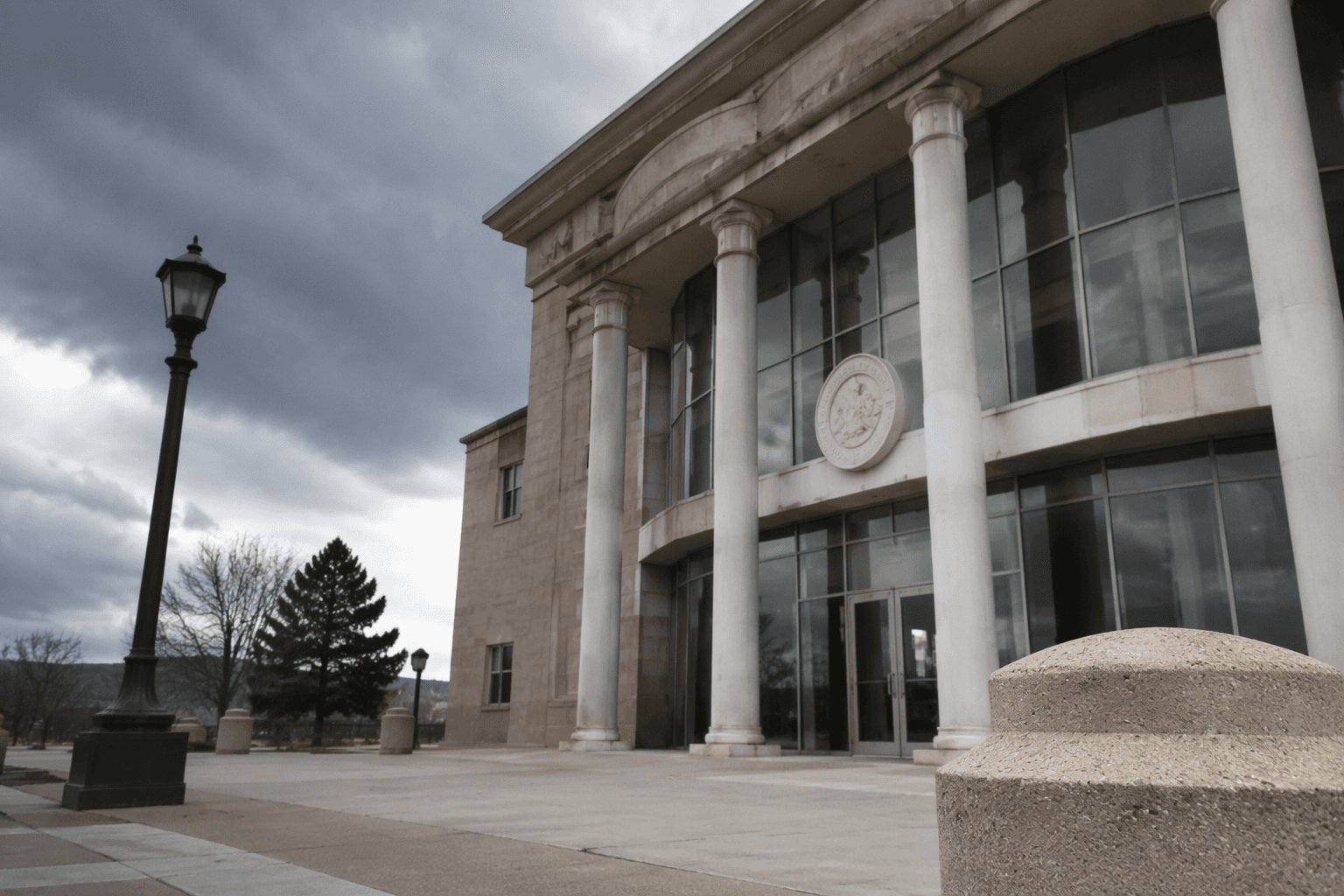
The Supreme Court’s opinion did more than settle Detsoi’s challenge. It upheld the constitutionality of the disciplinary framework that handles ethical complaints against New Mexico judges, the system run through the Judicial Standards Commission and the New Mexico Disciplinary Board. The Disciplinary Board says complaints can be started by anyone, including the chief disciplinary counsel, and all complaints must be in writing. The five-justice Supreme Court in Santa Fe has superintending control over inferior courts and attorneys licensed in the state, which is why the dispute reached the state’s highest court.
For residents who depend on the McKinley County justice system, the practical effect is straightforward: Detsoi does not return to the bench and cannot hold judicial office. The court’s rejection of the constitutional challenge also gives the public disciplinary process a measure of legal backing after a case that raised questions about due process, retaliation and bias inside a local courtroom.
The decision puts renewed attention on how New Mexico handles complaints against judges and what that means for trust in public discipline systems. In a county where court decisions can shape criminal cases, arraignments and the daily work of the Gallup courthouse, the Supreme Court’s ruling leaves the removal standing and the disciplinary process intact.
This article was produced by Prism’s automated news system from verified source data, official records, and press releases, then run through automated quality and moderation checks before publishing. The system is built and supervised by the people who set the standards it runs under. Read our full AI policy.
Did this article answer your question?