Hassler Valley Road water station shuts down after main breaks
A main break shut the Hassler Valley Road water loading station through July 27, forcing Gallup-area water haulers to find another source.
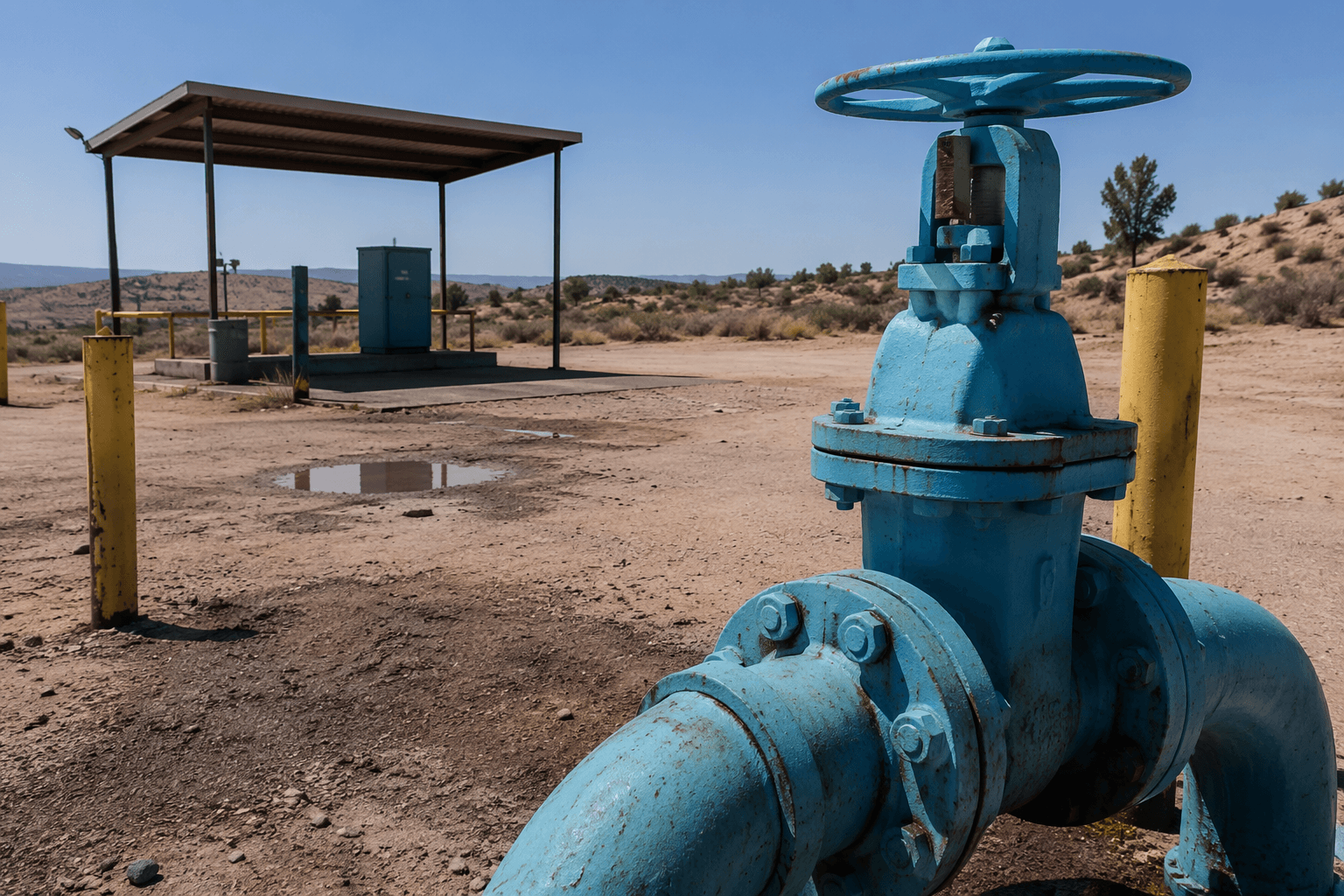
The Hassler Valley Road potable water loading station in Gallup shut down after main water breaks, forcing households, livestock operators and others who haul drinking water to find another source until Monday, July 27, at 10 a.m. The City of Gallup said the emergency closure was tied to recent main water breaks, re-energizing and rebuilding pressure within the water system.
For people in Hassler Valley and nearby parts of McKinley County, the closure was more than a utility notice. A loading station is part of daily life for residents who rely on hauled water for drinking, cooking and basic household use, and for small businesses or ranchers that cannot depend on a tap at every site. With the station offline, residents had to adjust trips, ration what they had on hand or make the longer drive to another source while the city worked on the system.
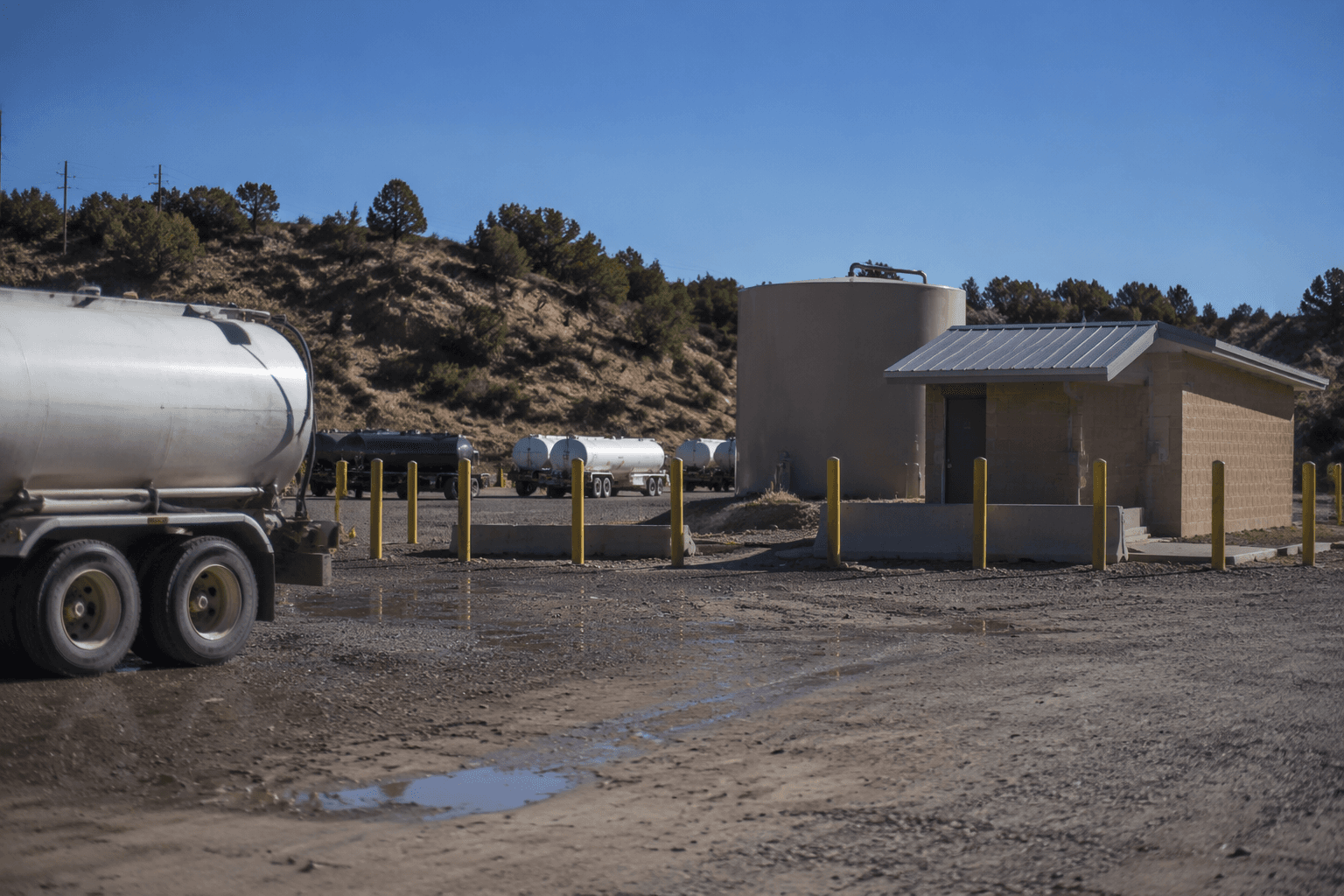
The shutdown came after a period of repeated water-related notices in Gallup. Gallup Sun had already published a temporary closure notice for the potable water loading station on July 10, then another emergency water outage notice for July 20-21 and a separate emergency water outage notice for July 24. On July 22, the newspaper’s homepage also carried a flash flood warning for McKinley County, adding weather pressure to an already strained utility situation.
The City of Gallup’s July 22 press release said the station would be shut down from July 22 through July 27. KRQE News 13 identified the Hassler Valley Road site as under emergency closure and said the city’s timeline held through July 27 at 10 a.m. That left a five-day gap for people who depend on the station for potable water in a part of the county where hauling water is often a routine necessity, not an occasional backup.
The sequence of closures underscored how exposed local water access can be when one part of the system fails. Main breaks can quickly ripple outward into pressure problems and service interruptions, and for McKinley County residents who plan around water-hauling trips, the difference between an open station and a closed one is immediate: another stop, another wait, and another day of uncertainty about when the next fill will be available.
This article was produced by Prism’s automated news system from verified source data, official records, and press releases, then run through automated quality and moderation checks before publishing. The system is built and supervised by the people who set the standards it runs under. Read our full AI policy.
Did this article answer your question?