Gallup’s railroad roots shaped its rise as a regional hub
Gallup grew from a railroad paymaster’s headquarters into McKinley County’s main crossroads, and the tracks still shape its streets, freight traffic, and commerce.
Gallup’s rail origin still defines how the town works today. Founded in 1881 as a headquarters for the southern transcontinental rail route, it took its name from David L. Gallup, a paymaster for the Atlantic and Pacific Railroad, and that first logistics decision still echoes in the city’s street grid, downtown development, and business corridors. Gallup remains McKinley County’s county seat and a gateway between western New Mexico and northeastern Arizona, which is why its railroad past still matters to residents, freight operators, traders, and travelers alike.
How a paymaster gave Gallup its name
The town’s most useful founding detail is also its most human one: David L. Gallup was not a politician or a land speculator, but a railroad paymaster. In 1880, he established headquarters along the construction right-of-way of the southern transcontinental route, and railroad workers began “going to Gallup” to get their pay. That practical payroll stop quickly became a settlement, then a railhead, then the city that now anchors travel and commerce across McKinley County.
That origin helps explain why Gallup grew where it did. Railroads built around timetables, depots, freight handling, and access to labor, and those requirements leave a lasting imprint on a town’s layout. Gallup’s streets, commercial blocks, and development patterns still reflect a place that was organized around movement, not isolation.
The railroad shaped the town, then the town grew around the rail corridor
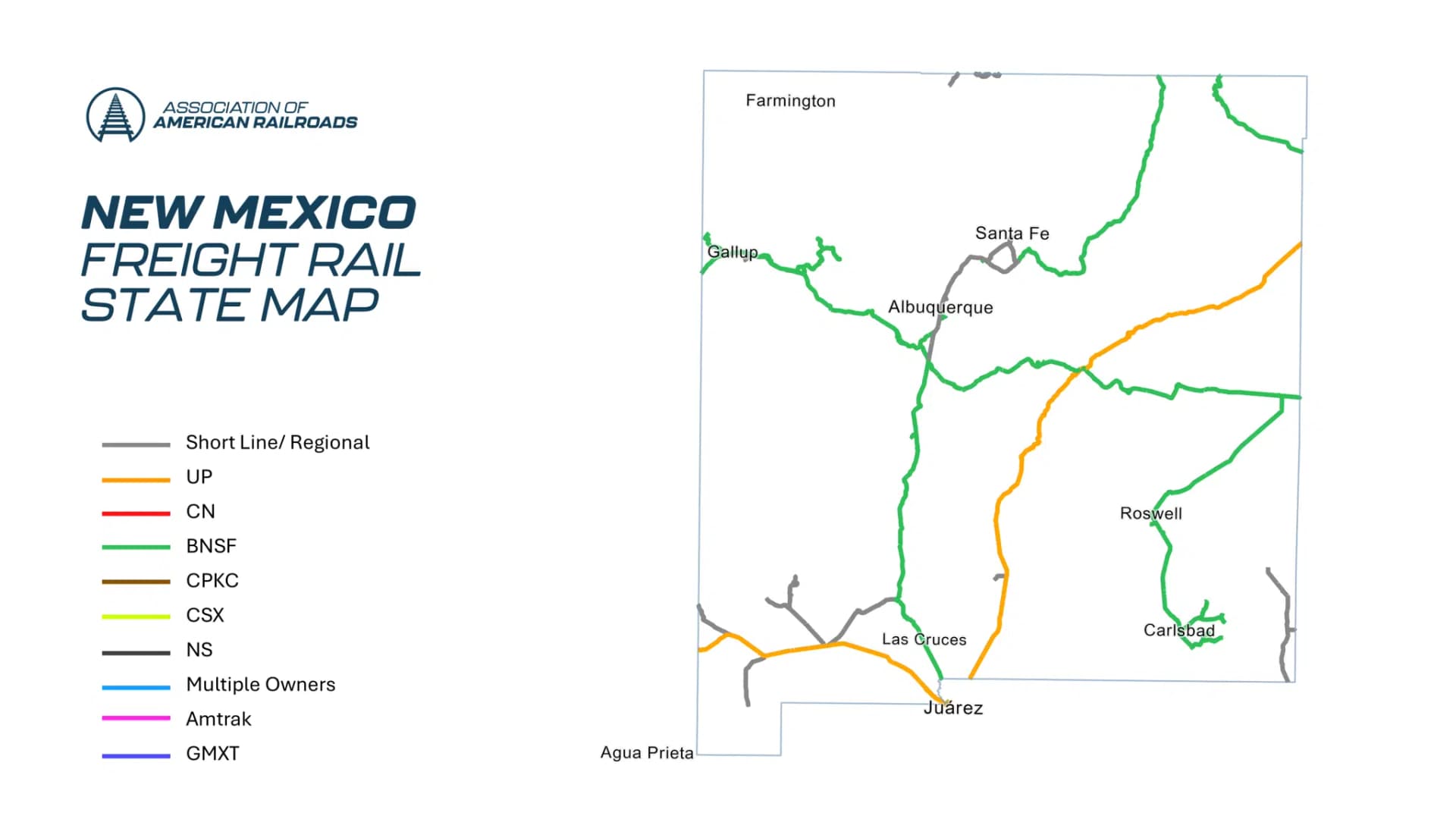
Gallup’s railroad history is not just a story about the past. BNSF says its Southern Transcon remains one of the main arteries for moving goods from the ports to the interior of the country, and its Gallup Subdivision runs nearly 165 miles from the Arizona border at Lupton to Belen. That keeps Gallup tied to a freight network that still carries national economic weight.
For local land use, that matters. Rail corridors tend to pull in transportation-related activity, shape where commercial buildings cluster, and influence how neighborhoods develop around industrial access and highway links. In Gallup, that has meant a town where the railroad still helps organize business life and where the movement of goods remains part of the daily landscape, even for people who never set foot near a rail yard.
The same corridor logic helps explain Gallup’s role as a regional hub. A town that sits on a major freight line, serves as the county seat, and sits between larger travel legs naturally becomes a place where service businesses, local commerce, and public institutions concentrate. Gallup’s importance comes from that combination of rail access, county government, and its position on the map.
A crossroads long before Route 66
Gallup did not begin with automobiles. A Visit Gallup history page says the community started as an isolated stagecoach stop on the Westward Overland route and attracted Navajo, Hopi, and Zuni traders. That earlier transportation chapter matters because it shows that Gallup’s role as a meeting point predates Route 66 and even the railroad’s maturity.
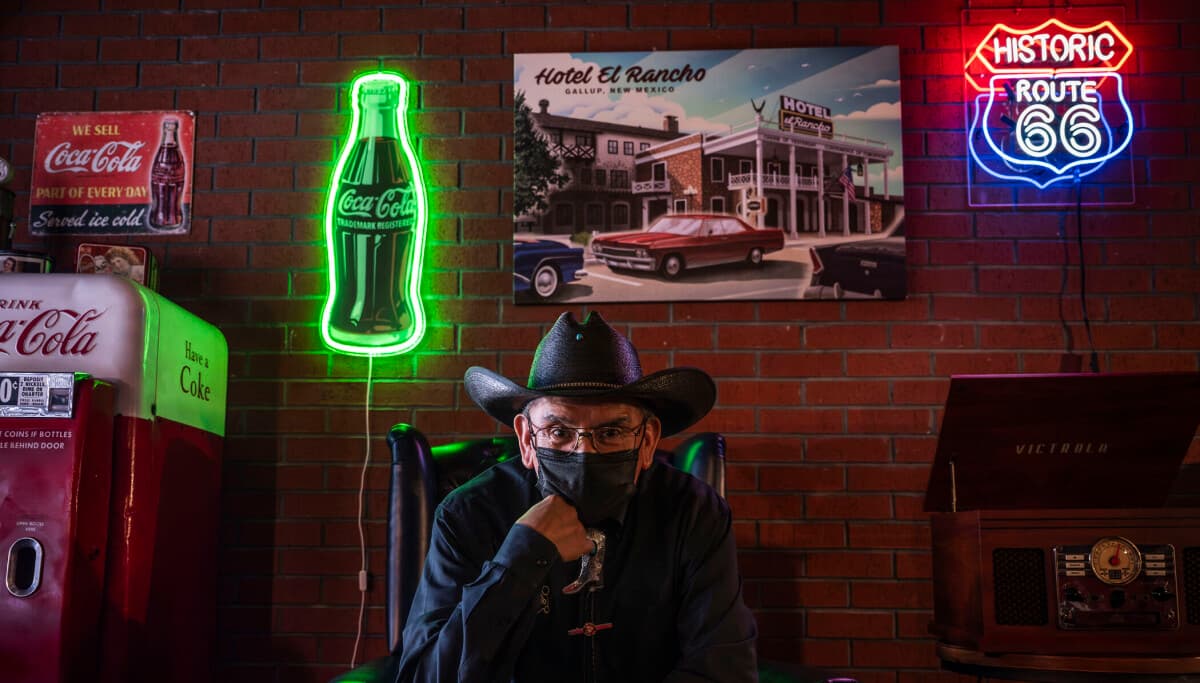
Route 66 later reinforced that role. Visit Gallup says the highway officially opened on November 11, 1926, crossed eight states, and covered over 2,400 miles. In Gallup, the route added another layer to an already established transportation town, bringing motorists, roadside commerce, and tourism into a place that had already been built around travel and exchange.
The key point is not that one era replaced another. Stagecoach traffic, rail freight, and highway travel each added to the same basic pattern: Gallup became a place people passed through, traded in, worked in, and came back to. That continuity still helps explain why the town remains visible far beyond McKinley County.
Native homelands and a trading culture still central to the town
Any full account of Gallup has to include the Indigenous communities that have shaped the region long before railroad headquarters arrived. Visit Gallup says the town sits in the heart of Native American ancestral homelands, and that framing is essential to understanding why Gallup became such a prominent trading and gathering place.
The trading tradition is not symbolic. Visit Gallup’s trading-post guide says there are over 1,000 Native American artisans in Gallup and the surrounding region, producing jewelry, art, pottery, clothing, Concha belts, rugs, baskets, Kachina dolls, and other goods. That level of artisan activity keeps Native commerce at the center of the local economy and gives Gallup a role that is both cultural and economic.
This is one reason the town functions as more than a freight stop. The rail line and highway brought outsiders through Gallup, but Native trade, regional arts, and local business gave the town a durable identity. That combination of transportation and culture still defines how downtown works and why visitors continue to treat Gallup as a destination rather than just a waypoint.
Why Gallup still matters in McKinley County
Gallup’s scale reinforces its influence. The city’s materials cite a 2010 population of approximately 21,678, and regional materials describe it as the most populous city between Albuquerque and Flagstaff. That makes Gallup the obvious commercial and civic center for a wide stretch of northwestern New Mexico.
As the county seat, Gallup anchors government services, local commerce, and travel connections for surrounding communities. Its railroad foundation helps explain why it remained important through the stagecoach era, the Route 66 boom, and the modern freight system. The town’s streets, business areas, and transportation links still carry the imprint of a railroad headquarters that became a city, and McKinley County still moves through the crossroads it created.
This article was produced by Prism’s automated news system from verified source data, official records, and press releases, then run through automated quality and moderation checks before publishing. The system is built and supervised by the people who set the standards it runs under. Read our full AI policy.
Did this article answer your question?