Route 66 series spotlights Gallup’s historic landmarks and Native roots
Route 66’s spotlight is nudging travelers toward Gallup’s hotels, trading posts and Native-rooted landmarks. The test is whether that traffic turns into local spending.
Route 66 nostalgia only matters in Gallup if it sends drivers off I-40 and into the city’s historic corridors, not just into a photo stop. That is the practical test behind the latest Route 66 attention on El Rancho Hotel, nearby trading posts and the Native-rooted identity Gallup promotes to visitors. In far western New Mexico near the Arizona line, the town is being framed as both a highway stop and a cultural destination.
Route 66 is still the road that shapes the story
Route 66 officially opened on Nov. 11, 1926, crossed eight states and stretched more than 2,400 miles. In New Mexico, the highway helped shape both travel economy and identity, and that legacy still anchors the way Gallup is marketed and discussed today. State and local tourism pages continue to lean on the route’s 100-year legacy, a reminder that the Mother Road remains an economic brand as much as a historic one.
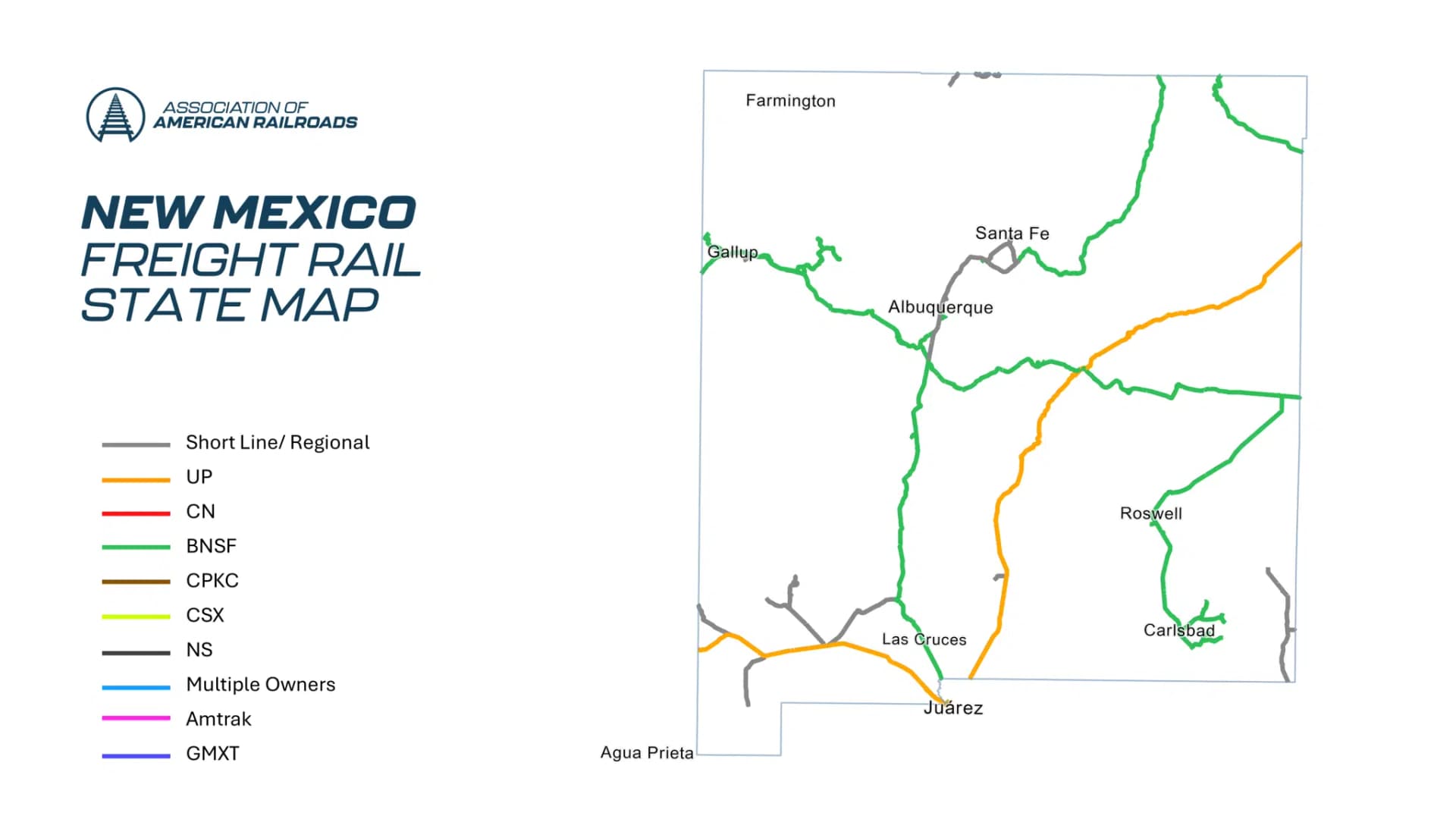
Gallup’s place in that story is straightforward: it sits along historic Route 66 in McKinley County, close to the Arizona border, where travelers moving through western New Mexico still look for a stop with a clear sense of place. Visit Gallup describes the city as “nestled in spectacular red rock beauty” and rooted in Native American tradition and culture. That framing matters because it ties the highway past to the businesses and cultural sites that actually benefit when road-trippers stop instead of passing through.
El Rancho Hotel remains the best-known stop
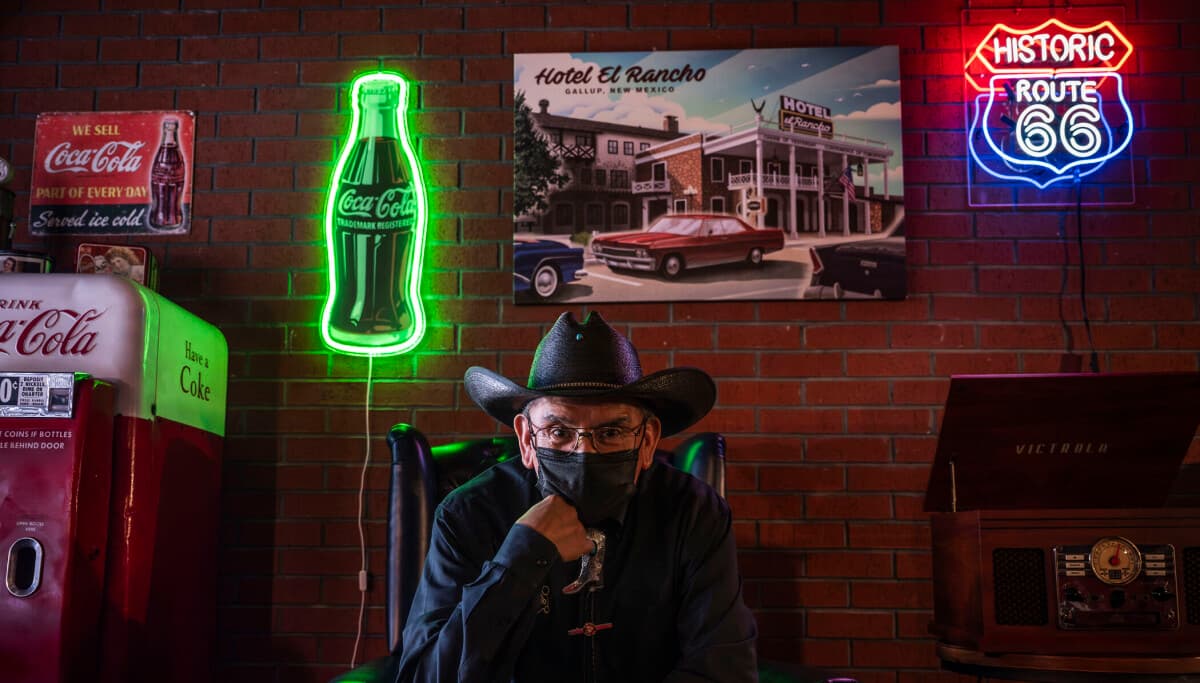
If one property carries the weight of Gallup’s Route 66 identity, it is El Rancho Hotel. The hotel’s backstory says it has hosted Hollywood movie makers and stars since the 1940s, and it names Robert Mitchum, Elia Kazan, Spencer Tracy, Katharine Hepburn, Melvyn Douglas, William Holden, Billy Wilder, Kirk Douglas and Gregory Peck among the figures linked to its history. That film connection gives the hotel a kind of double appeal: it is both a Route 66 landmark and a piece of movie lore.
The hotel’s own branding calls it “A ROUTE 66 ICON & HOLLYWOOD FAVORITE IS REBORN,” a pitch that keeps it squarely in the center of the tourism conversation. The National Park Service also lists El Rancho Hotel in Gallup, giving the property a formal place in the national record of historic sites. For visitors trying to understand why Gallup still matters on the old highway, El Rancho is the clearest answer: it is a lodging stop, a heritage stop and a reminder that this part of New Mexico has long been part of a larger American travel corridor.
The Route 66 experience stretches west to Lupton
The Gallup story does not stop at the city limit. West of town, the Route 66 and I-40 corridor leads to TeePee Trading Post at I-40 Exit 359 in Lupton, Arizona, a roadside stop travelers use for Native American art, jewelry and souvenirs. It is also one of several trading posts near the Painted Cliffs in Lupton, which gives the area a broader roadside cluster rather than a single isolated attraction.
That matters economically because roadside trading posts are often the first businesses travelers see after leaving the interstate. In practical terms, that means the Route 66 draw can spread spending across lodging, shopping and small heritage stops on both sides of the New Mexico-Arizona line. For McKinley County and the nearby border corridor, the value is not just in nostalgia but in whether visitors actually stop, browse and buy.
What outside attention needs to do for Gallup
Gallup’s challenge is to turn broad Route 66 attention into visible local benefit. The city and Visit Gallup already pitch a strong combination of red rock scenery, Native heritage and highway history, but the payoff comes only when travelers move from admiration to action. That means booking rooms, visiting historic sites, shopping at roadside trading posts and spending time in the city’s commercial corridors instead of treating Gallup as a quick pass-through.
A 2026 Route 66 travel report still places the Gallup area among the significant stops for road-trippers exploring the Mother Road, which suggests the region has not lost its pull. The real measure now is more local and more concrete: whether that attention helps sustain places like El Rancho Hotel, supports businesses in and around downtown Gallup, and keeps the city visible as more than a nostalgic postcard. In a county where tourism can compete with long drives and easy exits, the strongest Route 66 stories are the ones that bring people to the door and keep them there long enough to spend.
This article was produced by Prism’s automated news system from verified source data, official records, and press releases, then run through automated quality and moderation checks before publishing. The system is built and supervised by the people who set the standards it runs under. Read our full AI policy.
Did this article answer your question?