McKinley County shortages spark debate over film spending priorities
McKinley County is short of doctors, nurses and school support even as New Mexico’s film incentives drove rural spending to a record $55.74 million.
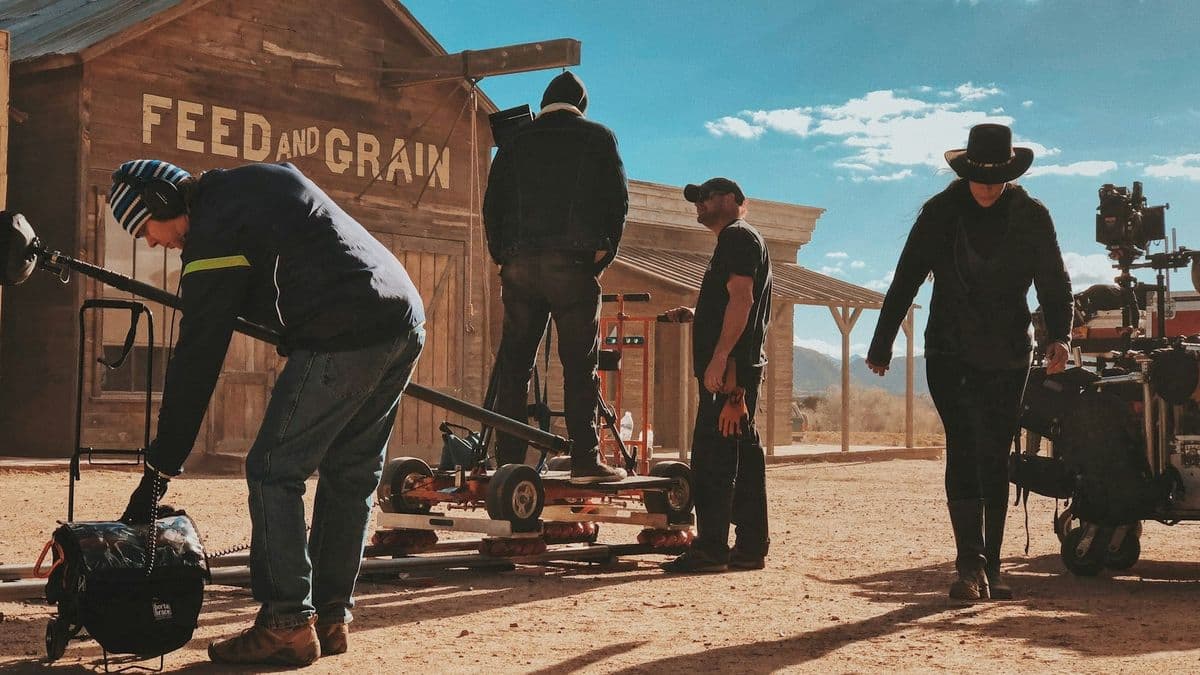
McKinley County is being asked to absorb another round of praise for New Mexico’s film incentives while its hospitals and schools keep running short on people. The New Mexico Film Office says rural film spending reached a record $55.74 million in direct spending in fiscal year 2026 through the state’s Uplift Zone incentive, up from the previous high of $50.2 million in fiscal year 2022.
That spending comes with a strong state-level argument. The film office says the tax credit produced an average economic return on investment of 7.77 from fiscal year 2020 through fiscal year 2023. But in Gallup and across McKinley County, the more immediate ledger still shows vacancies, turnover and stretch on basic services that residents live with every day.

Health care remains the clearest pressure point. As of June 2023, New Mexico still needed 264 primary care providers and 223 dental providers to erase shortage designations. McKinley County needed more than 10 primary care providers to reach its target ratio, and local reporting described the county as having the largest primary care provider deficit in rural New Mexico. In 2022, the Community Health Action Group in Gallup estimated 60% nurse turnover and 40% turnover among permanent physicians at the hospital over the previous two years.
The shortage is not confined to one clinic or one shift. A Source New Mexico analysis found healthcare workers were the top occupational need in 28 New Mexico counties in 2023, underscoring how much of rural New Mexico is still competing for the same limited pool of nurses, doctors and support staff. McKinley County’s hospital and clinics are part of that broader pattern, where state spending has not yet closed the gap between job openings and the people needed to fill them.
Schools face a similar strain. Gallup-McKinley County Schools serves about 12,224 students across 31 schools in a district that covers roughly 5,000 square miles and seven communities. The district’s 2025 Tribal Education Status Report reflects the obligations schools carry as they work to document student supports, tribal education needs and related services across a vast region. New Mexico Vistas, the state’s public school accountability site, gives families another way to compare those outcomes district by district.
Deb Haaland has made rural and tribal health care access part of her own pitch, outlining a March 31, 2026 plan to expand access, protect Medicaid, recruit providers and lower prescription drug costs. Her 2025 rural campaign stops centered affordability and the concerns she heard in rural communities. That makes the film debate more than a question of economic development. In McKinley County, it is a test of whether state incentives that generate broad spending can justify themselves while local hospitals, classrooms and public systems keep absorbing the shortage.
This article was produced by Prism’s automated news system from verified source data, official records, and press releases, then run through automated quality and moderation checks before publishing. The system is built and supervised by the people who set the standards it runs under. Read our full AI policy.
Did this article answer your question?