Navajo Patients Describe Care Gaps Despite Expanded Radiation Compensation Act
Maggie Billiman described years of being sent between clinics in Grants, Gallup and Las Cruces while a biopsy was repeatedly delayed. RECA expansion hasn't changed that.
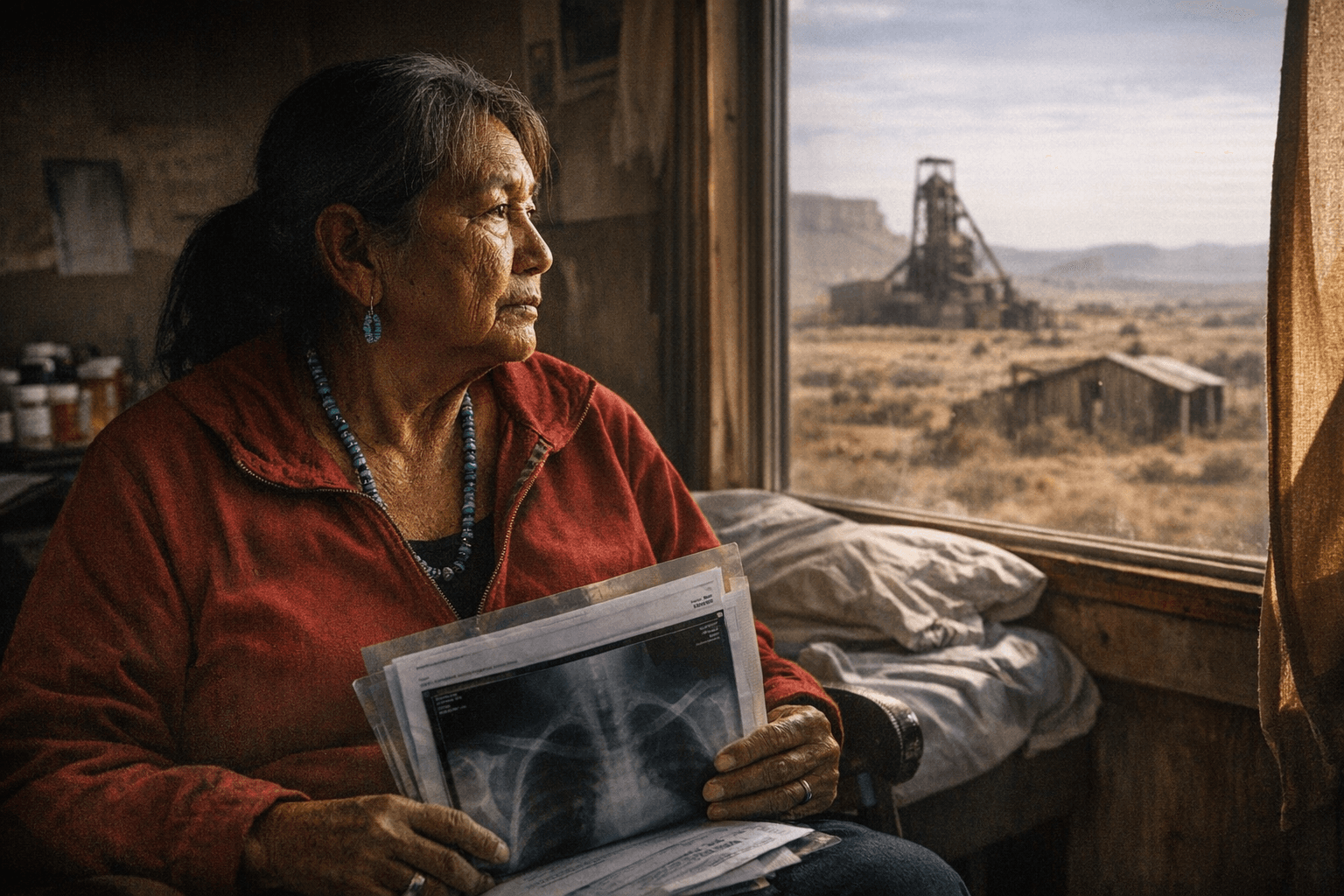
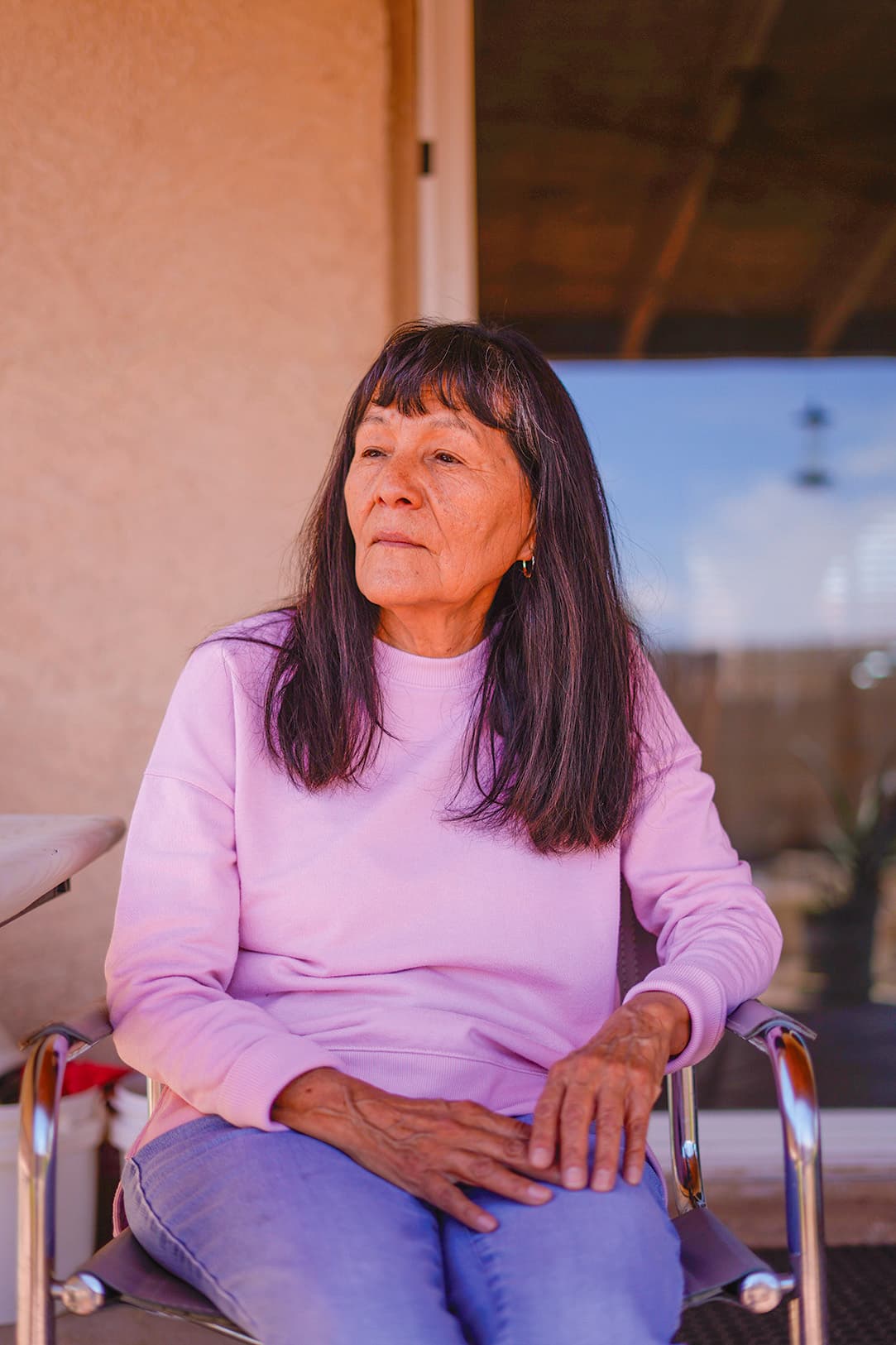
Maggie Billiman has spent years traveling between hospitals and clinics in Grants, Gallup, and Las Cruces, searching for answers about a painful pancreatic growth while managing multiple other illnesses. What she encountered was a referral system that kept cycling her back to the beginning.
"They just send me in circles," Billiman said.
Her account emerged amid attention surrounding U.S. Rep. Teresa Leger Fernández's outreach visit to the New Mexico Cancer Center in Gallup, an event tied to the expansion of the Radiation Exposure Compensation Act. RECA, first enacted in 1990, provides federal compensation to people whose health was harmed by uranium mining operations and nuclear weapons testing. The Navajo Nation and McKinley County communities carry a disproportionate share of that legacy: the federal government extracted nearly 30 million tons of uranium from Navajo land between 1944 and 1986, leaving behind radiation-linked illness that has persisted across generations.
The law's expansion was a significant legal milestone for affected families. But for Billiman, it has not addressed the more immediate barrier: getting diagnosed. She described one instance in which a new provider requested records that had already been gathered, triggering duplicate testing and pushing back a biopsy she had been expecting. Each handoff between facilities restarted the process.
"I keep saying I'm in pain. I'm in pain. Nobody is listening to me," she said.
Advocates say her experience reflects conditions common across the Navajo Nation. The Indian Health Service's Navajo Area serves more than 244,000 patients across a reservation spanning more than 25,000 square miles of Arizona, New Mexico, and Utah. Patients requiring specialty oncology services beyond what IHS or tribal clinics can provide are referred outward, sometimes to facilities hours away. When records do not transfer between providers, the diagnostic timeline resets.
Rep. Leger Fernández's stop at the New Mexico Cancer Center, which brings oncology services to Gallup and spares patients the longer journey to Albuquerque, underscored the tension between federal policy progress and local health system capacity. The center has positioned its Gallup clinic as a critical regional access point for Navajo patients. But community advocates argue that even a functioning cancer center cannot deliver its full benefit when the referral pipeline feeding it is broken.
Patient navigation services, coordinated record-sharing between IHS facilities and outside providers, telehealth options, and funded transportation and lodging are among the concrete investments advocates have pushed for. Without them, the distance between a legal compensation victory in Washington and a completed biopsy in Gallup remains vast.
For Billiman, who has bounced between providers across western New Mexico with a growing mass and unanswered questions, the expansion of RECA has not yet reached her care.
This article was produced by Prism’s automated news system from verified source data, official records, and press releases, then run through automated quality and moderation checks before publishing. The system is built and supervised by the people who set the standards it runs under. Read our full AI policy.
Did this article answer your question?