Zuni Salt Lake protections advance in federal water rights settlement
The settlement would protect Zuni Salt Lake, transfer about 4,822 acres, and settle water claims tied to Zuni Pueblo’s future use of land and water.
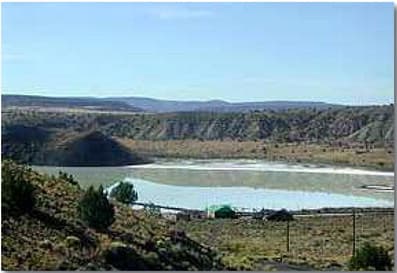
The federal settlement now moving through Congress would do two things that matter on the ground in McKinley County: protect Zuni Salt Lake and transfer about 4,822 acres tied to the site, while settling water rights claims in the Zuni River Stream System. For Zuni Pueblo, that means the lake is treated not just as a sacred place, but as land and water that federal law would help keep out of incompatible development. It also carries a funding piece, with the bicameral bill described by Martin Heinrich and Gabe Vasquez as authorizing $685 million for sustainable water management.
What the settlement would change
The strongest legal marker is the U.S. Senate Committee on Indian Affairs report, S. Rept. 119-125, issued June 4, 2026. That report says the Zuni Indian Tribe Water Rights Settlement Act of 2025 is intended to approve settlement of water rights claims in the Zuni River Stream System in New Mexico and protect Zuni Salt Lake. It also says Title II would protect the lake and transfer approximately 4,822 acres of land.
That land piece matters because water rights settlements are not only about who can divert water. In this case, the bill would also shape land control around a place the Zuni community treats as protected ground. Congress.gov lists S. 564 in the 119th Congress, and BillTrack50 shows it was introduced on Feb. 13, 2025 and entered committee on March 5, 2025. The 2025 version also appeared in the House as H.R. 1444, making the settlement a bicameral effort rather than a single-chamber proposal.
A predecessor Senate report, S. Rept. 118-262, was ordered printed on Dec. 4, 2024, with the same broad purpose: to approve the settlement of water rights claims of the Zuni Indian Tribe in the Zuni River Stream System in New Mexico, to protect the Zuni Salt Lake, and for other purposes. That sequence shows the proposal had already been moving before the 2025 version advanced, and it gives McKinley County readers a clear marker of how long the settlement has been in play.
Why Zuni Salt Lake is a local protection issue
Zuni Salt Lake is not just a scenic feature on the map. It is tied to Zuni identity, ceremonial life, and the gathering of salt used in rituals, which makes it a cultural resource as much as a natural one. Sacred Land identifies it as a sacred site, and that designation helps explain why a water rights settlement can function as a protection tool for the landscape itself.
Zuni Pueblo’s scale also explains why these decisions carry local weight. Tribal and tourism materials describe the Pueblo of Zuni as the largest of the nineteen New Mexican pueblos, covering more than 700 square miles with a population over 10,000. In a community that large, water access, land management, and protection of sacred places affect daily life, future development, and the continuity of cultural practices.
The Pueblo of Zuni website adds another layer of protection already in place: the tribe says its tribal antiquities ordinance criminalizes the excavation, removal, destruction, or desecration of artifacts and sacred places on the reservation. That ordinance shows the community is not only asking for recognition of the lake’s value, but already treating sacred places as legally protected assets. The federal settlement would sit alongside that tribal framework, extending the political and land-use consequences beyond symbolism.
The geology explains why the site is so fragile
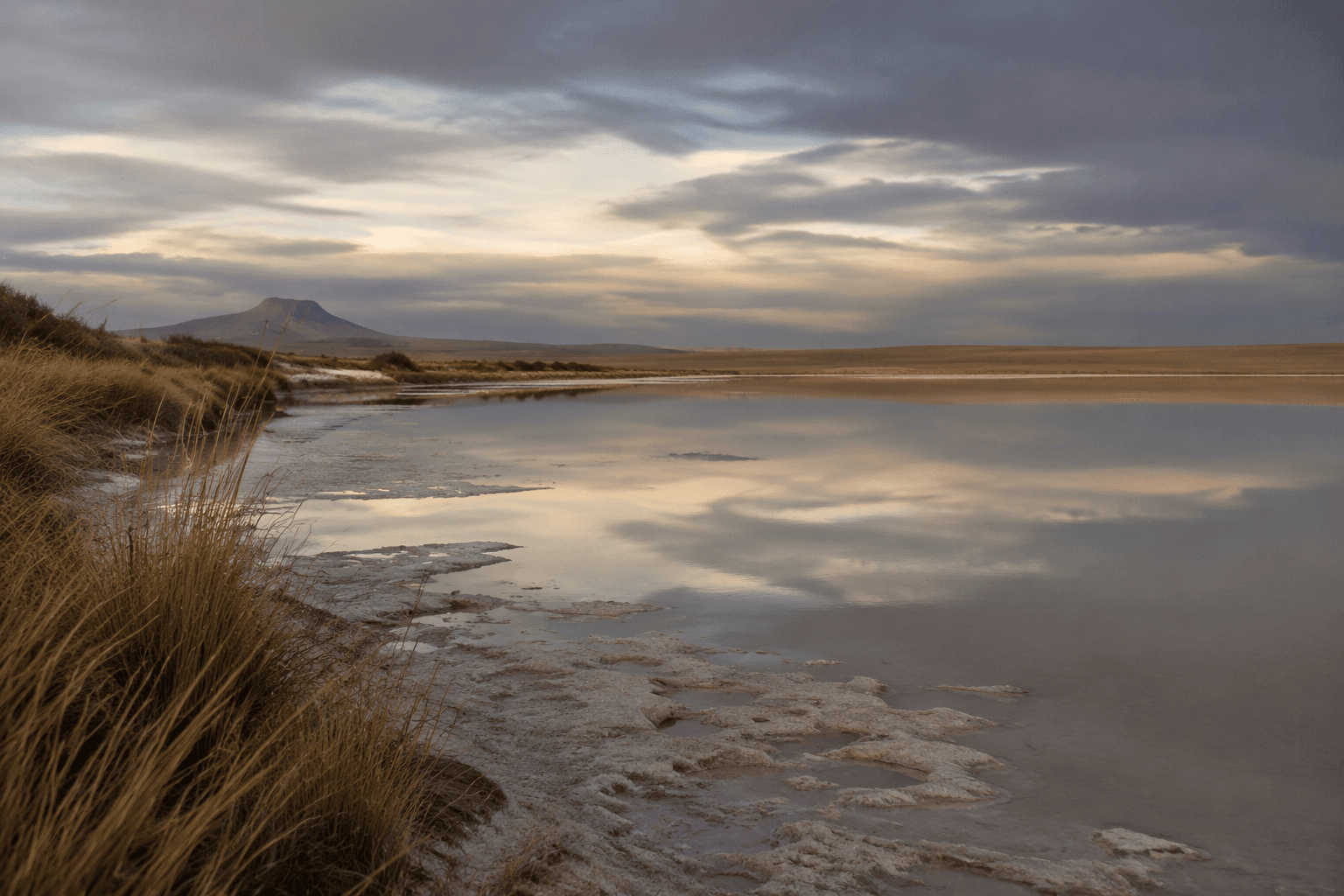
Zuni Salt Lake is also unusual in physical terms. The U.S. Geological Survey describes it as a shallow saline lake in a maar in west-central New Mexico, and older limnology work says the basin formed during the late Pleistocene when volcanic activity created the maar. That geologic origin matters because it makes the lake hydrologically distinctive and vulnerable to changes in water flow or nearby land use.
USGS publication listings on the lake focus on its sources of water and salts, a sign that the basin still draws scientific attention. In practical terms, that means the lake is not a static pool of water sitting untouched in the landscape. Its chemistry and water balance depend on conditions that can be affected by outside development, groundwater shifts, and land disturbance.
That is why the settlement’s land-transfer language is important alongside the water rights claims. A shallow saline lake in a volcanic basin is the kind of place where the wrong kind of nearby activity can change what reaches the basin, what stays in it, and how it is protected over time. For McKinley County, the federal action is less about abstract heritage than about keeping a fragile landscape from being managed like ordinary open land.
A long history of pressure near the lake
The current settlement sits in a much older story of conflict over the area. Historical coverage from 2001 and 2002 described Zuni Pueblo defending Zuni Salt Lake from a proposed strip mine, and later reported that a mining project near the lake was dropped. That history matters because it shows the lake has already been the focus of outside development pressure, not just ceremonial concern.
Seen in that light, the settlement is part of a protective pattern. The lake has been defended before through public opposition, and now the protection is being written into federal water-rights legislation. The change is concrete: a legal settlement that approves water claims, a land transfer of roughly 4,822 acres, and a funding package meant to support sustainable water management.
For people in McKinley County, the issue is not only what the lake means to Zuni families. It is what federal action allows or blocks around one of the region’s most important places. If the bill advances in final form, future decisions about water use, land access, and development near Zuni Salt Lake will be shaped by a settlement that treats the site as both a sacred landscape and a matter of public law.
This article was produced by Prism’s automated news system from verified source data, official records, and press releases, then run through automated quality and moderation checks before publishing. The system is built and supervised by the people who set the standards it runs under. Read our full AI policy.
Did this article answer your question?