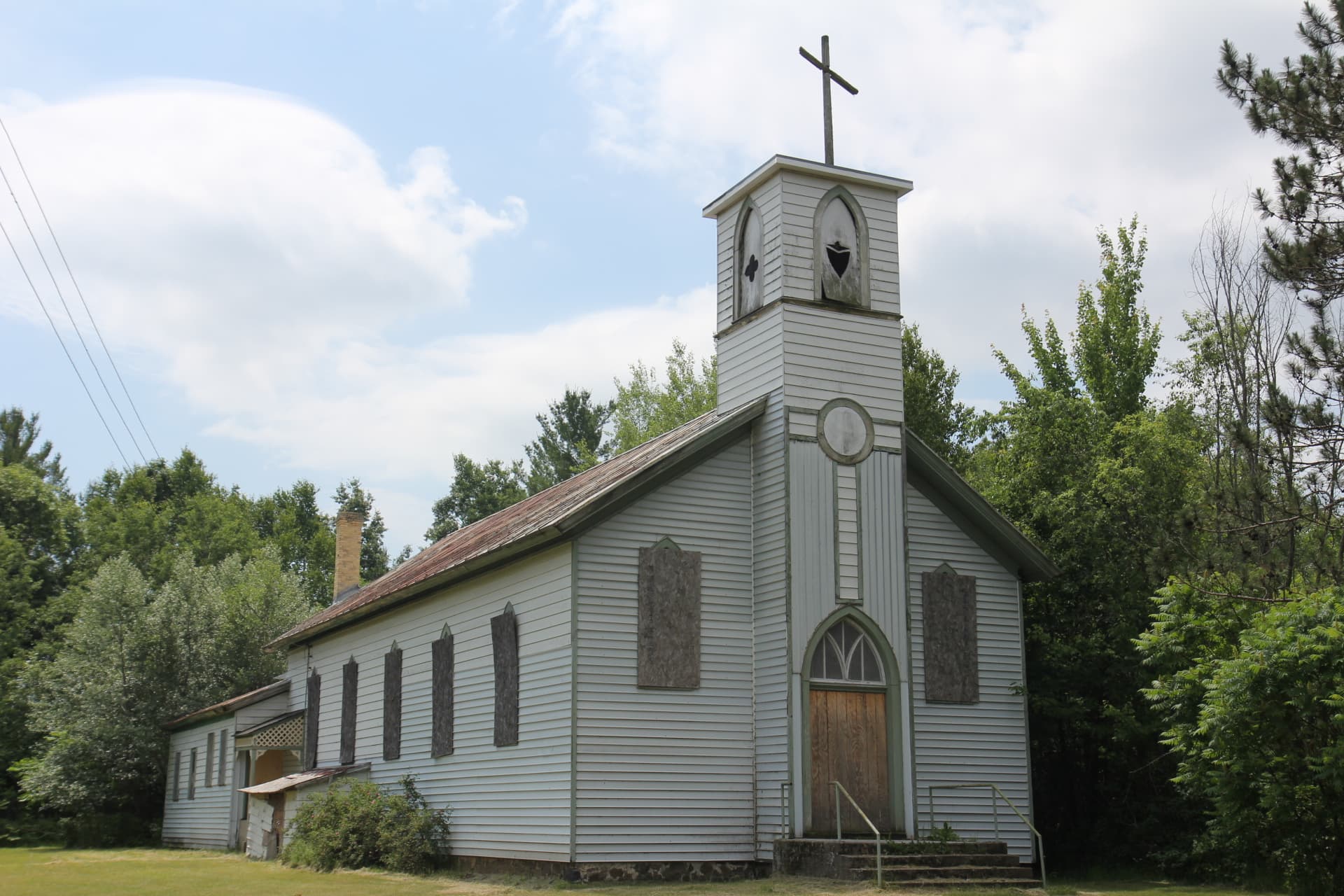
Diver returns 1,000-year-old Native American pendant to Keshena museum
A diver turned a Menominee River find into a Keshena handoff, delivering a 1,000-year-old Native American pendant to the Menominee Historic Preservation Cultural & Logging Museum.

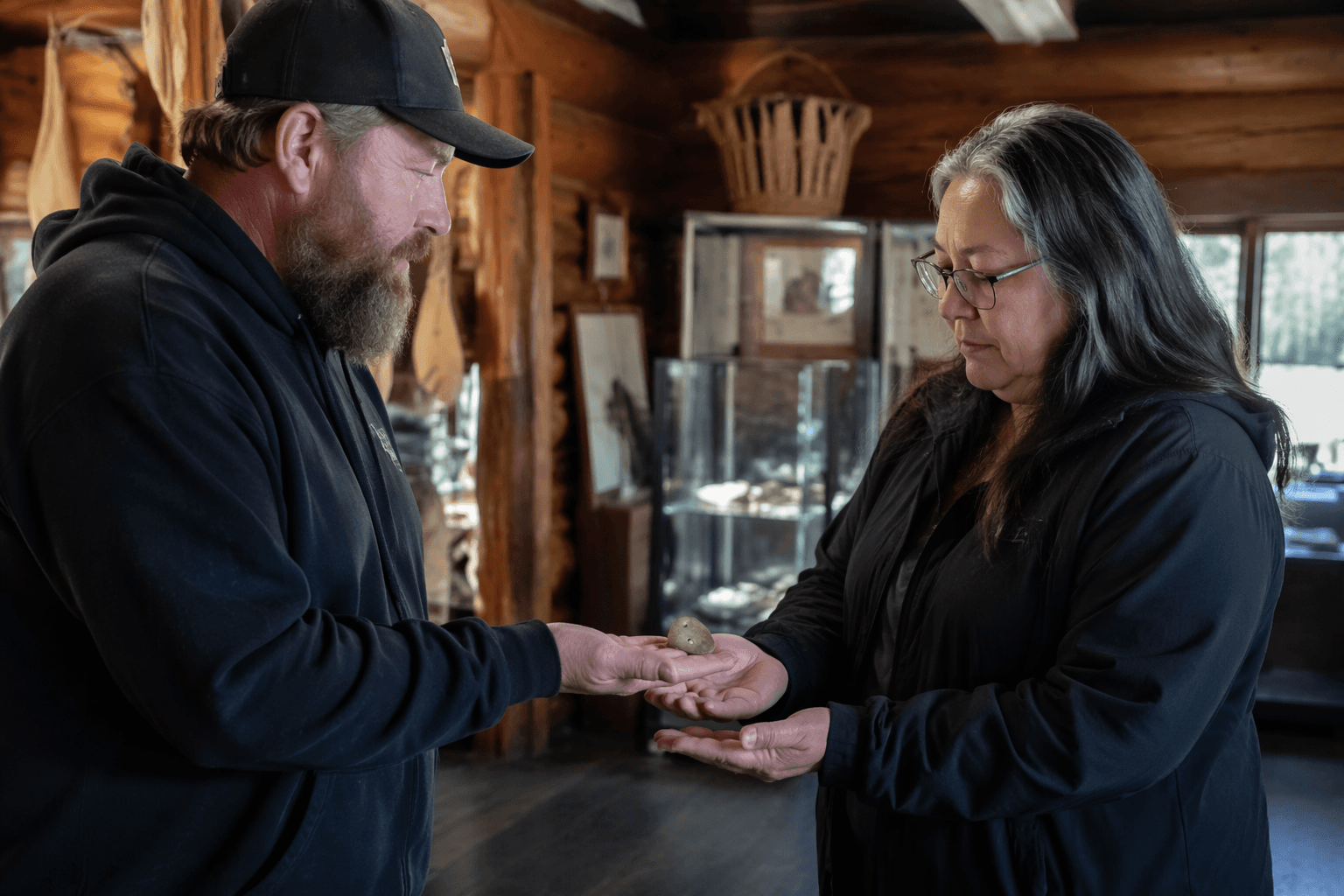
The Menominee Historic Preservation Cultural & Logging Museum in Keshena received a rare local artifact this week when Ed the Diver brought in a Native American pendant he found in the Menominee River in Marinette on June 29, 2026. The transfer put the piece in the care of Menominee cultural stewards instead of a private collection, tying the river directly to the tribe’s preservation work.
Rebecca Alegria, the cultural planner with the Menominee Tribal Historic Preservation Office, confirmed that the pendant is Native American and more than 1,000 years old. That gives the object a place in a much deeper history than a lost item pulled from the riverbed. For the Menominee Indian Tribe of Wisconsin, the find belongs in a living cultural landscape shaped by ancestors, not in isolation as a curiosity.
The tribe says its history in what is now Wisconsin, Michigan and Illinois goes back 10,000 years, and its origin story begins at the mouth of the Menominee River, about 60 miles east of the present Menominee Indian Reservation. That makes the river corridor central to the tribe’s identity, and it explains why a river-bottom discovery can carry such weight in Keshena.
The museum that took custody of the pendant was completed in spring 2010 and is described by the tribe as a 6,000-square-foot, environmentally controlled facility. It houses Menominee artifacts repatriated through the Native American Graves Protection and Repatriation Act, giving the tribe a place to preserve and interpret materials on its own terms. The Menominee Cultural Museum is open year-round, Monday through Friday from 8:00 a.m. to 4:30 p.m.
The adjacent Menominee Logging Camp Museum is open May through October, also Monday through Friday from 8:00 a.m. to 4:30 p.m. Travel Wisconsin describes it as the largest and most complete logging museum in the United States, with seven log buildings and more than 20,000 artifacts. Together, the two museums anchor one of the reservation’s most important preservation sites near Keshena Falls and the Wolf River.
The pendant also fits into a larger body of work along the Menominee River. Archaeologists have identified the Sixty Islands, or Anaem Omot, area as a major ancestral Menominee landscape, and new archaeological evidence there has challenged older assumptions about the scale of Indigenous agriculture before European contact. The handoff in Keshena adds one more artifact to that river story, this time returning it to community care.
This article was produced by Prism’s automated news system from verified source data, official records, and press releases, then run through automated quality and moderation checks before publishing. The system is built and supervised by the people who set the standards it runs under. Read our full AI policy.
Did this article answer your question?