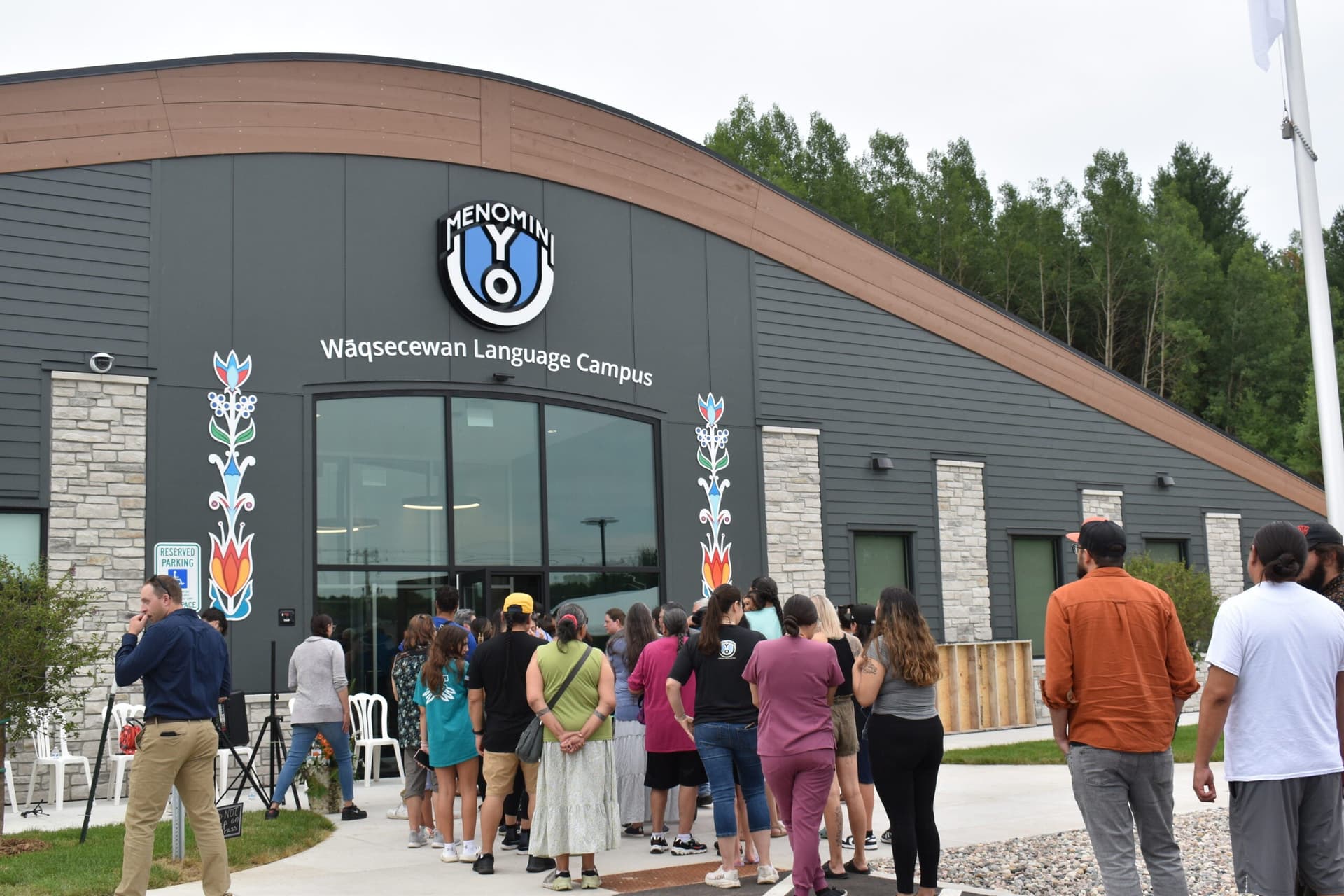
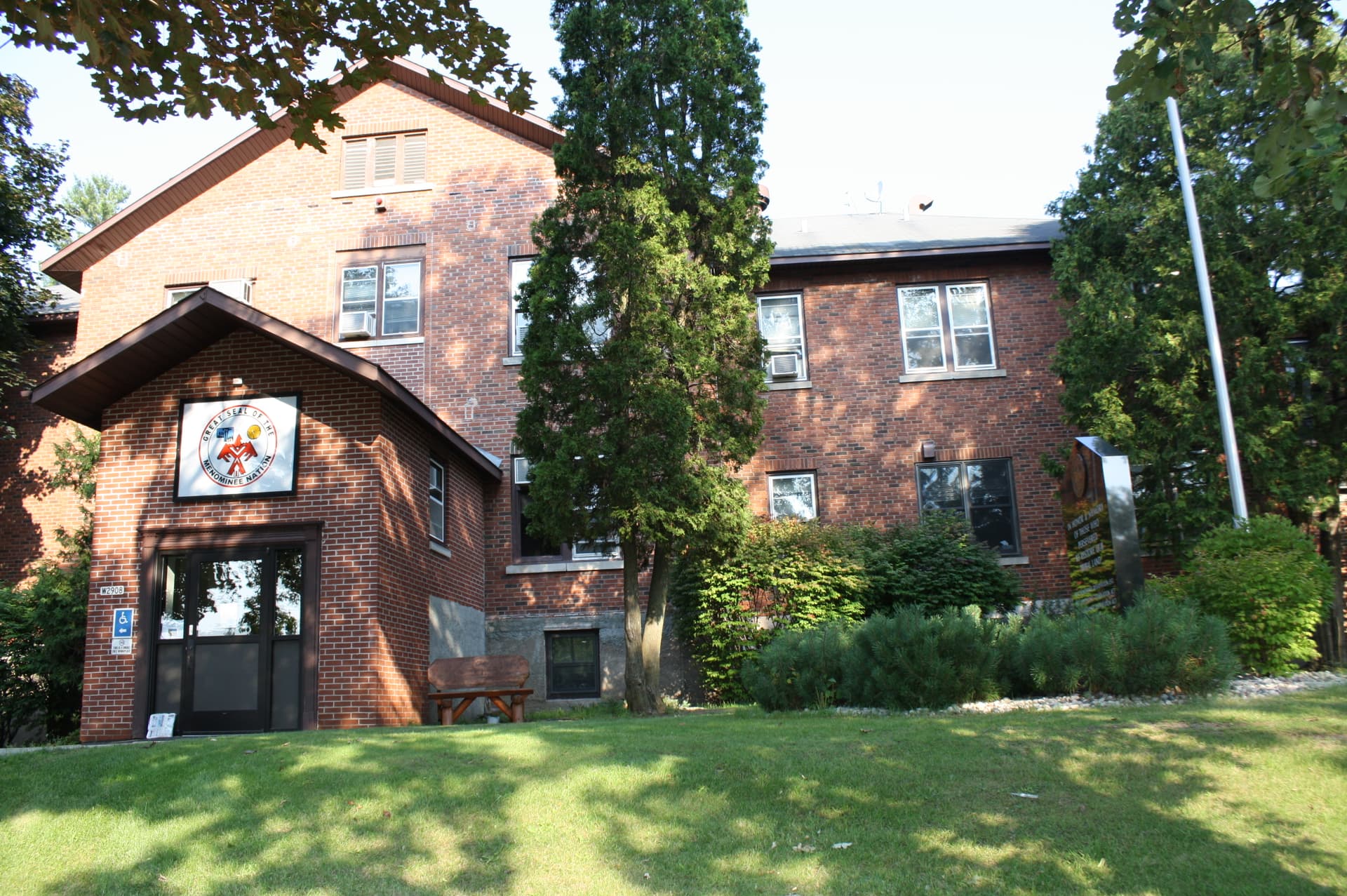
Menominee County tourism page spotlights museums, lodging and recreation
The county tourism page works best as a trip planner, with clear museum hours, seasonal tours and easy links to lodging and river recreation around Keshena.

What the tourism page makes easy to plan
Menominee County’s tourism page does something practical first: it gives visitors a workable frame for a day in and around the reservation. The most useful part is the museum information, because it tells you when the Menominee Cultural Museum is open, when the Logging Museum is in season, and how to arrange group tours before you arrive.
That matters for families, school groups and anyone trying to turn a stop in Keshena into a full outing. The page is not trying to overwhelm you with every possible detail. Instead, it points you toward the two attractions that best anchor a visit and then connects them to lodging, dining and recreation across the county.
The museum hours that actually help shape a trip
The Menominee Cultural Museum is the easier stop to build around because it is open year-round, Monday through Friday, from 8:00 a.m. to 4:30 p.m. Group tours are available by appointment, and the museum page gives a direct number for arranging them: (715) 799-5258. It also offers an interactive Cultural Museum Experience, which extends the museum beyond an in-person visit and gives the tribe another way to share its history.
The Logging Museum requires a little more planning, but the schedule is still clear enough to be useful. It operates seasonally from May through October, also Monday through Friday from 8:00 a.m. to 4:30 p.m., with group tours by appointment and a last tour at 3:00 p.m. That 3 p.m. cutoff is a small but important detail for anyone trying to squeeze in lunch, travel time and an afternoon on the river or at another county site.
Why these two museums are the core of the page
The tourism page is most effective when it leads with the Menominee Cultural Museum and the Menominee Logging Museum, because those two sites tell the story of the county better than any generic scenic overview could. The Logging Museum is described by Travel Wisconsin as the largest and most complete logging museum in the United States. It sits on the Wild Wolf River at Grignon Rapids, just below Keshena Falls, and includes seven log buildings and more than 20,000 artifacts.
The Cultural Museum adds a different kind of depth. Wisconsin First Nations describes it as a 6,000-square-foot facility holding Menominee artifacts repatriated through the Native American Graves Protection and Repatriation Act. That makes the museum more than a display space. It is also a repository for objects and stories that were brought back under a legal and cultural framework designed to return Native belongings to their communities.
A county guide that reflects how people actually move through the area
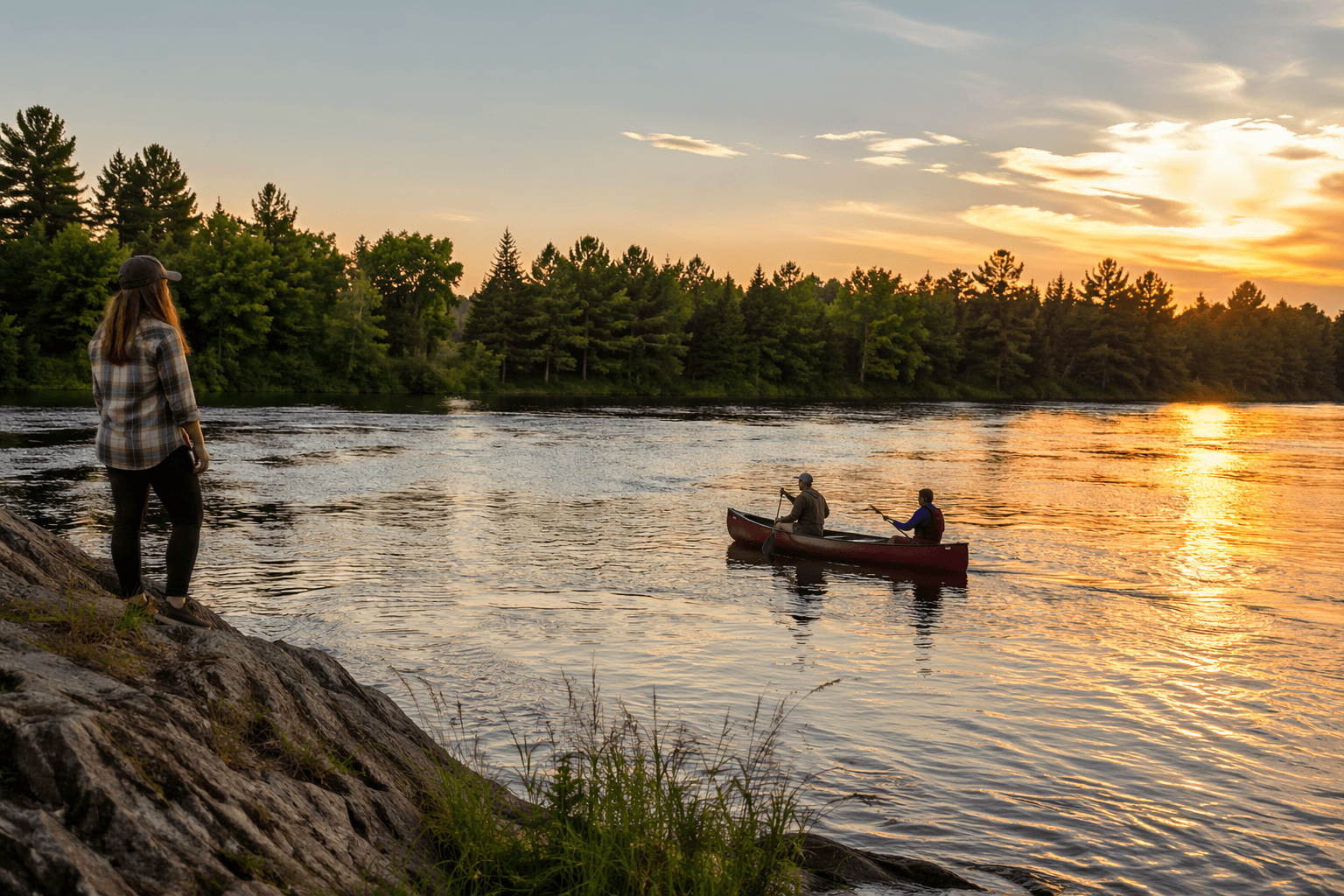
The county page is useful because it does not isolate the museums from the rest of daily life. It links culture and history with lodging, dining and recreation, including Menominee Casino Resort, Pine Hills Golf Course, rafting at Big Smokey Falls and Shotgun Eddy’s, and chamber-of-commerce resources for nearby communities. That gives visitors a way to turn a museum stop into a fuller day, rather than treating it as a one-off detour.
For someone planning around Keshena, that combination is the point. The cultural sites are close to the outdoor ones, and the county page makes that geography feel intentional. A morning at the Cultural Museum, a midday break for lunch or travel, and an afternoon drive toward the river or a golf stop can fit together without much guesswork when the hours are this clear.
The deeper history behind the visitor stop
There is a larger reason these museums matter. Menominee County and the Menominee Indian Reservation are coterminous, which means the county and reservation share the same boundaries. That alone makes the tourism page more than a visitor tool. It is also a window into a place where tribal history, county government and everyday community life overlap.
The historical backdrop is hard to ignore. The Menominee Tribal Historic Preservation Office says the Menominee Termination Act was signed into law by President Eisenhower. Milwaukee Public Museum materials say termination took effect on April 30, 1961, and that Menominee County was among the poorest and least populated counties in Wisconsin afterward. Those facts help explain why the museums carry such weight. They are part of a broader story of loss, recovery and the preservation of language, artifacts and memory.
Living culture, not just display cases
The museums also sit inside active community programming. A First Nations Development Institute project says the tribe’s Cultural Treasures Initiative supports the Cultural Museum and Logging Museum through cultural craft and art workshops, youth culture camps and the Sturgeon Feast & Celebration Powwow. That makes the tourism page feel less like a static directory and more like an entry point into a living calendar of tribal activity.
Another Cultural Resource Fund project described outdoor exhibits at the museum grounds, including a demonstration garden, a summer bark lodge and an arbor. Those features matter because they expand the museum visit beyond the building itself. They show the county and tribe using the museum grounds for education, seasonal gathering and cultural teaching in ways that are visible to visitors and useful to residents.
The bottom line for anyone planning a visit
If you are trying to make sense of Menominee County in one stop, the tourism page does the job best when you use it as a schedule builder. It gives you the museum hours, the seasonal window for the Logging Museum, a phone number for group tours and a short list of nearby places where a day can stretch into an evening or a weekend.
That is what makes the page valuable. It does not flatten the county into scenery. It ties Keshena, the museums, the river corridor and tribal history into one practical route, and it gives you enough structure to plan around it.
This article was produced by Prism’s automated news system from verified source data, official records, and press releases, then run through automated quality and moderation checks before publishing. The system is built and supervised by the people who set the standards it runs under. Read our full AI policy.
Did this article answer your question?