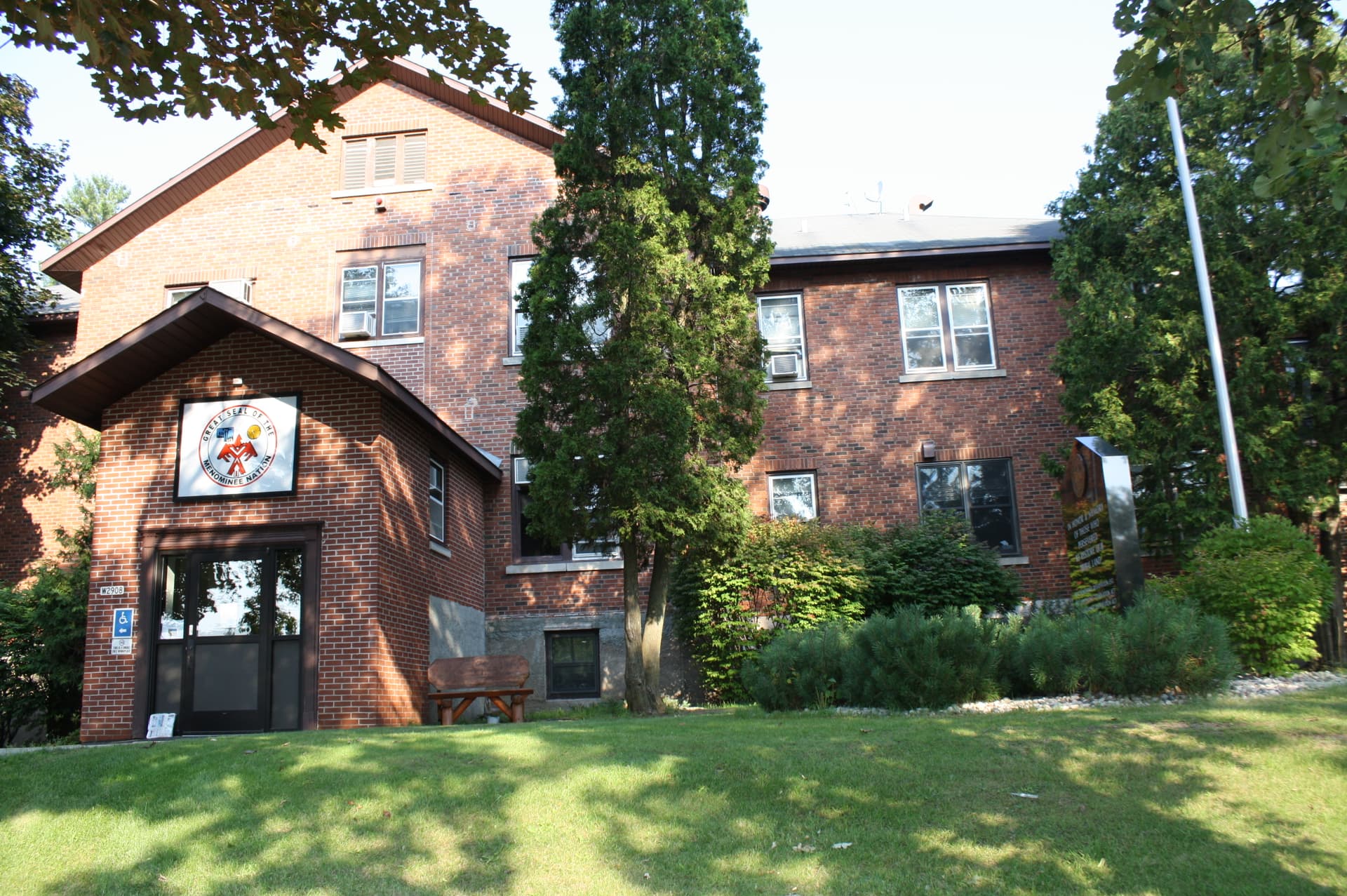
Menominee County, tribe announce curbside spring cleanup plan
Households on Menominee Tribal Leased Land and County Tax Land can set out unwanted items on regular trash day, but only after sorting bulky goods, electronics and banned debris.
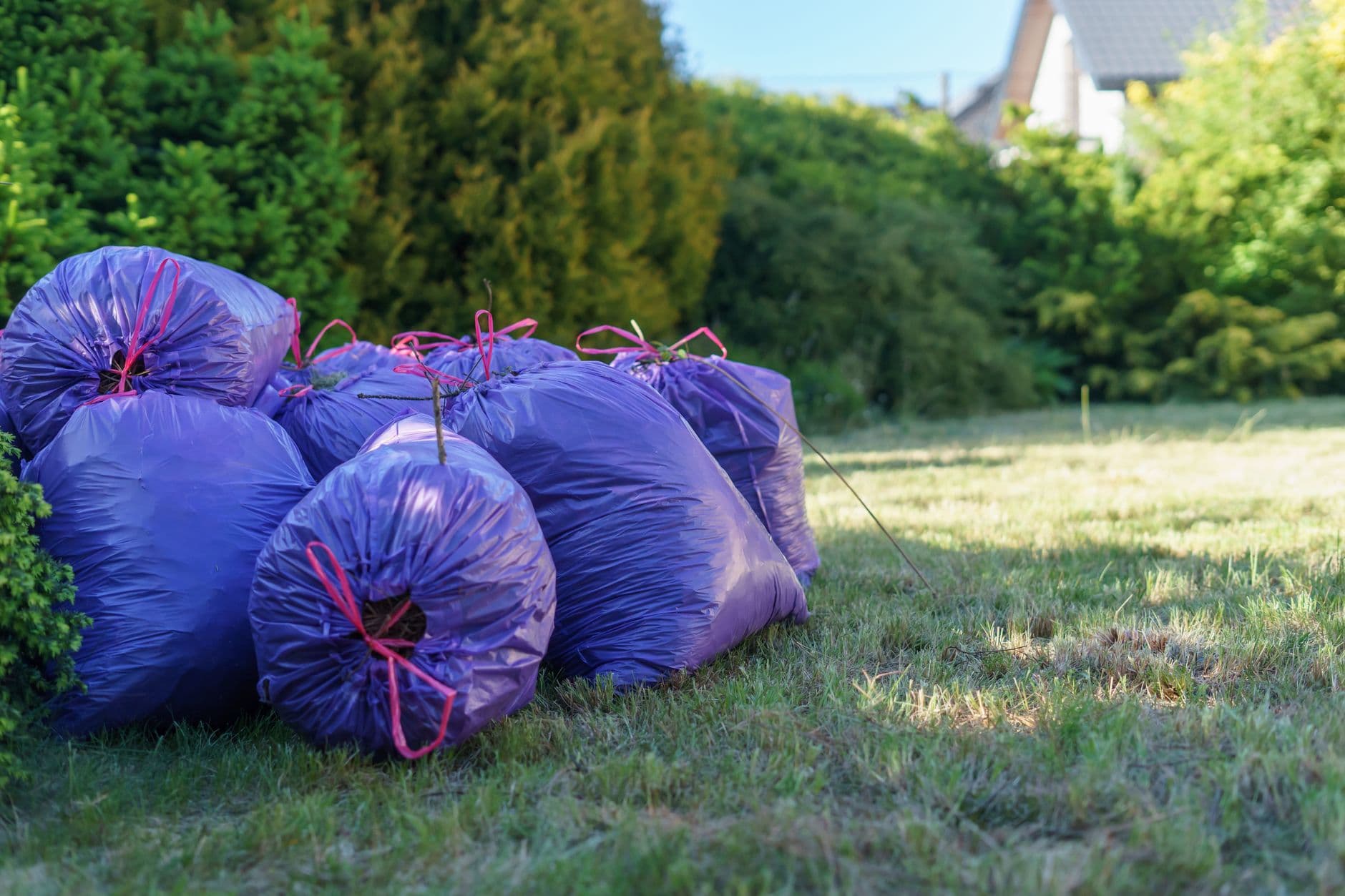
Residents on Menominee Tribal Leased Land and County Tax Land are told to put unwanted household items at the curb on their regular trash pickup day, keep ordinary garbage in cans, and sort the rest into separate piles so crews can collect it correctly. The spring cleanup plan is the same for both land categories, giving households in the county and on tribal leased land the same curbside instructions.
The flyer says two additional trucks will pick up discarded household goods, which makes the cleanup a coordinated collection effort rather than a heavier normal trash day. Accepted items include furniture, major appliances, metals, TVs and electronics, auto fluids such as oil and antifreeze, batteries and tires. Items that do not belong at the curb for this pickup are yard waste, hazardous material, concrete, large amounts of construction debris and paint.
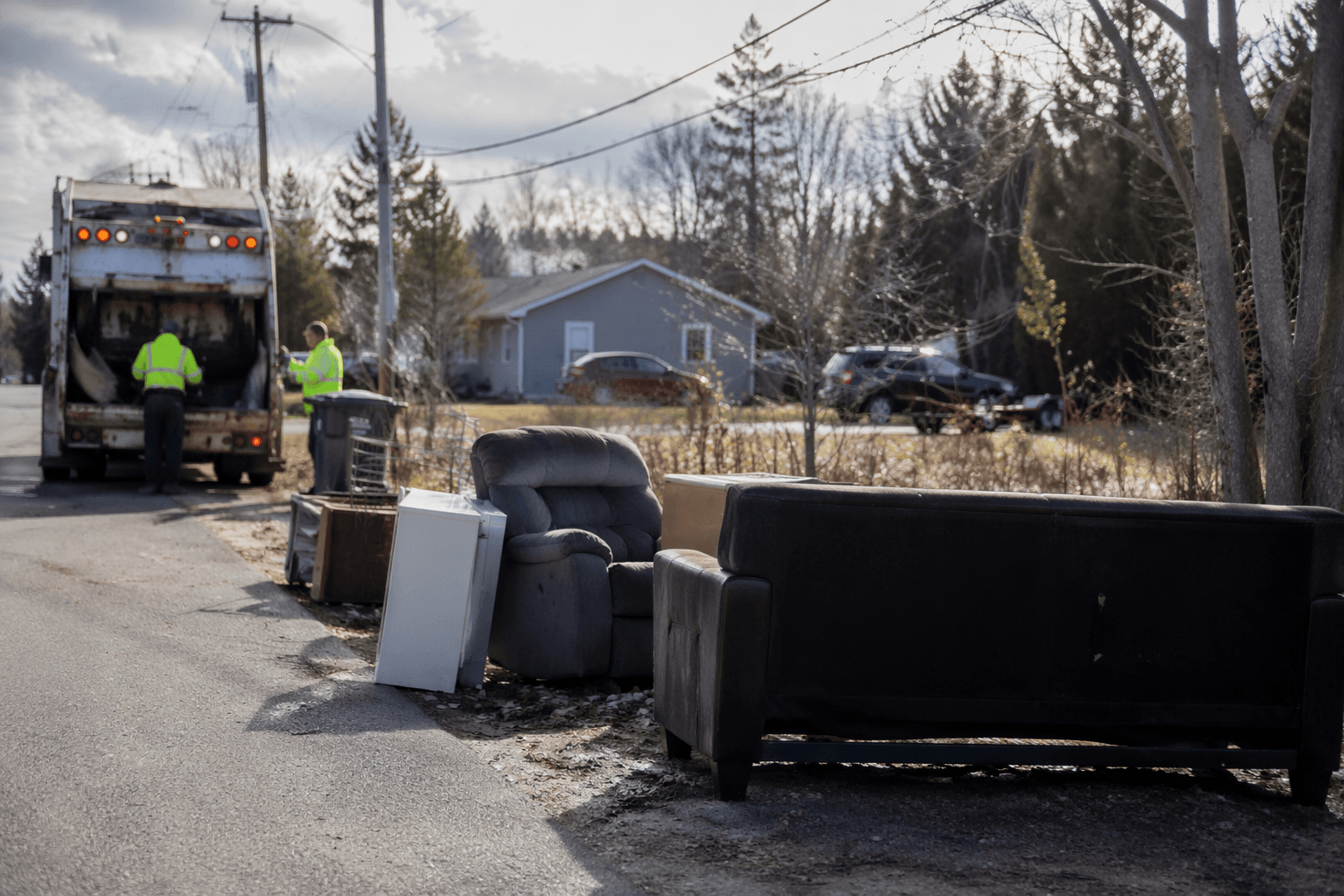
The cleanup sits inside Menominee County’s larger solid-waste system, where Harters Disposal handles curbside pickup and 95-gallon rolling containers are mandatory for trash and recycling. Recycling is collected weekly on the same day as regular trash pickup, and the county says one truck sometimes carries both streams with an internal separation while other routes use separate trucks. County officials say that kind of coordination is one reason the cleanup flyer stresses separate piles and clear sorting before pickup day arrives.
Menominee County says recycling and composting help the local economy, reduce waste, air pollution and energy use, and support community-based jobs. The county also warns that if residents do not participate, Menominee County and the Menominee Indian Tribe could lose grant dollars that help run the program, a loss that could eventually raise taxes. That financial piece gives the cleanup more weight than a one-day purge of clutter; it is part of keeping the county’s recycling operation funded.
The county says spring clean-up week is held annually, typically in April or May, and the flyer is usually posted in March. Menominee County also notes that its roughly 360 square miles include about 223,500 acres of heavily forested land and share coterminous boundaries with the Menominee Indian Reservation, making county-tribal cooperation central to waste collection in places such as Keshena, Neopit, Zoar and South Branch.
This article was produced by Prism’s automated news system from verified source data, official records, and press releases, then run through automated quality and moderation checks before publishing. The system is built and supervised by the people who set the standards it runs under. Read our full AI policy.
Did this article answer your question?