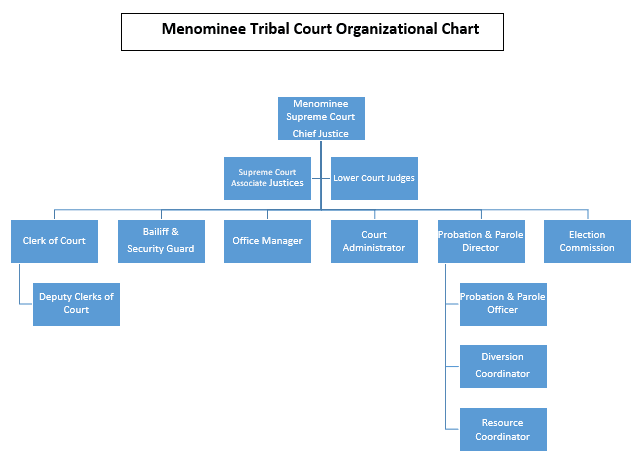
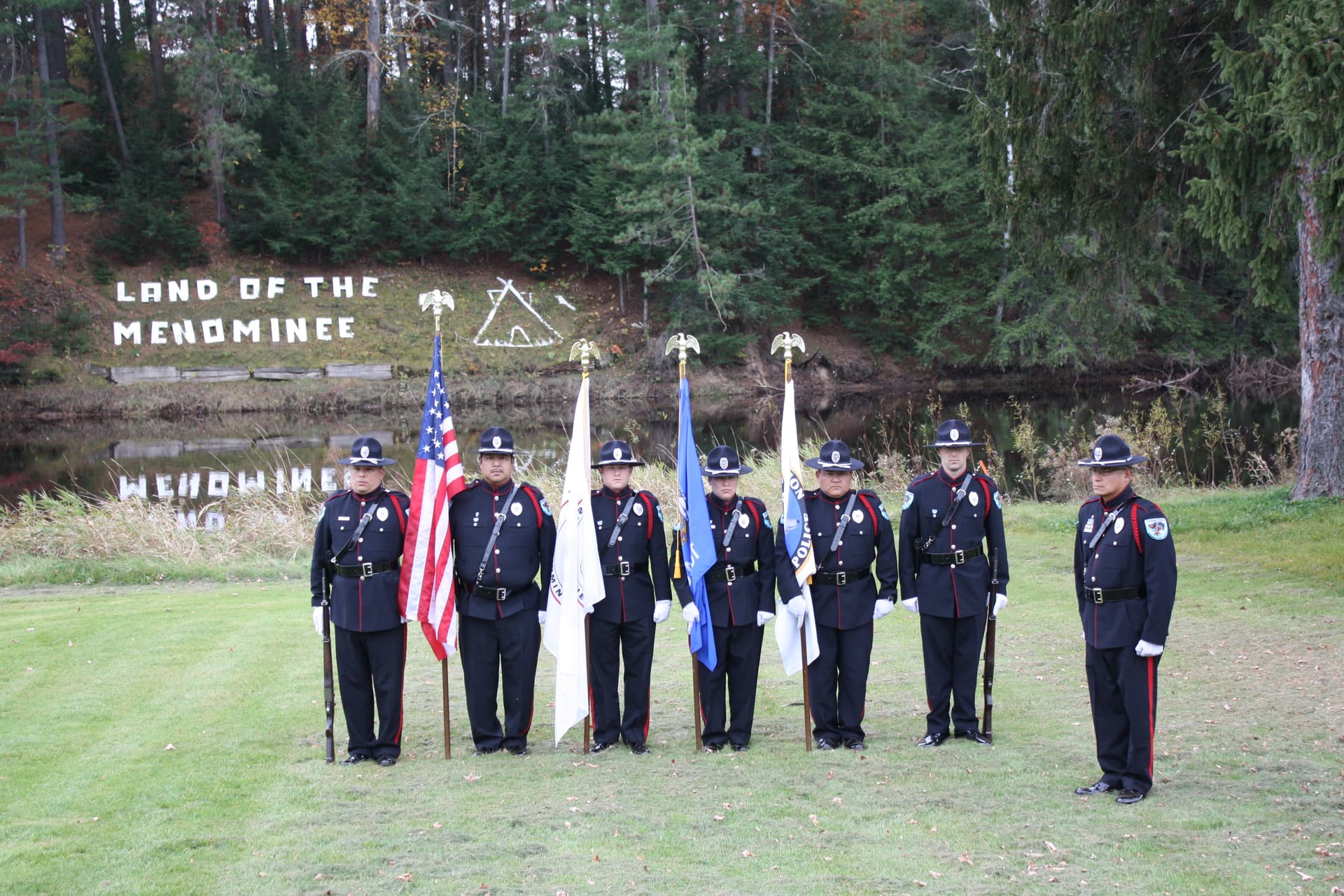
Menominee County’s borders, land access rules shape daily life
A few miles in Menominee County can mean a different rulebook for land, fishing, and boating. Tribal access limits and local water rules shape daily trips from Keshena to Legend Lake.

Menominee County sits about 45 miles northwest of Green Bay, and its boundaries shape everyday plans because a road, launch, or shoreline can fall under a different authority in just a few miles. It shares nearly coterminous borders with the Menominee Indian Reservation and the Township of Menominee and is anchored by Keshena, Neopit, Zoar, and South Branch. Its rivers, including the Evergreen, Oconto, Red, and Wolf, are part of why access, fishing, and boating rules matter so much here.
Where the county meets the reservation
Menominee County borders Langlade, Oconto, and Shawano counties, but the more important boundary for many daily decisions is the line between county land, tribal land, and trust land. The Menominee Reservation covers land in Menominee County and also a small off-reservation trust tract in Shawano County, including Middle Village.
The county and the reservation are closely tied, and the communities within them are not spread out like a standard rural county. Keshena and Neopit are the main villages, Zoar is smaller, and South Branch is a more scattered community, all within a landscape where rivers and wetlands influence how people travel, fish, launch, and reach shore.
Land access on tribal property is not general public access
The most common mistake is assuming that land open to traffic or visible from a road is open to public use. Under MITW Chapter 525 Tribal Lands, all trust lands and lands owned by the tribe are closed to public access, and the Menominee Indian Tribe of Wisconsin directs people with questions to the tribe.
That rule matters for people walking, hunting, scouting, launching, or trying to reach water by foot. If land is tribal-owned or trust land, the default is not public entry.

Fishing inside the reservation follows tribal rules
Fishing is one of the clearest places where state and tribal rules diverge. State fishing laws do not apply within the exterior boundaries of the Menominee Indian Reservation or on land owned by the tribe under the Menominee Indian Tribe of Wisconsin’s fishing regulations. Those regulations were approved by the Menominee Conservation Commission on December 2, 2024, and by the Menominee Tribal Legislature on January 16, 2025.
For anglers age 16 or older, the tribe requires a fishing license through the Menominee Tribal Licensing and Permits Department. The general big-game-fish season runs from the first Saturday in May to the first Sunday in March, with special exceptions for trout, lake sturgeon, and certain lakes. The Wisconsin Department of Natural Resources directs anglers to consult the Menominee Tribal Legislature for fishing rules within the reservation.
Boating rules are local, not one-size-fits-all
The water has its own patchwork of rules, especially in the Town of Menominee. The town adopted its boating ordinance to protect public safety, fish propagation, shoreline, and waterfowl habitat. Local municipalities can adopt boating rules on topics such as water skiing, shore zones, and speed limits to fit local conditions, and Menominee County is a clear example of that approach.
The ordinance bars motorboats on the Wolf River north of Keshena Falls, on the South Branch of the Oconto River, and on the West Branch of the Wolf River, except on Neopit Mill Pond. It also restricts water skiing between 5:00 p.m. and 10:00 a.m. local time. There are narrower exceptions on Moshawquit Lake and LaMotte Lake if no fishermen are present, showing how specific these water rules can become from one lake or river reach to the next.
Legend Lake follows the same logic. A neighboring Town of Menominee ordinance for Legend Lake sets boating regulation to provide safe and healthful conditions consistent with public rights and the water resource’s capability.
Why the county feels so legally layered
Menominee County’s unusual setup comes from its origin: the county was created between 1959 and 1961 from the former Menominee Indian Reservation, and no standard county history was ever written because of that unusual creation.
The tribe places its beginnings at the mouth of the Menominee River, about 60 miles east of the present reservation. The Menominee Tribal Legislature, which has nine members, remains part of the contemporary system that sets rules on land access, fishing, and other local matters.
What to check before you go
A trip in Menominee County can cross several rulebooks without moving very far. Before heading out to fish, boat, or walk onto land near Keshena, Neopit, Zoar, South Branch, or the waterways around Legend Lake, check three things: whether the land is tribal or trust land, whether the water sits inside reservation boundaries, and whether a local town ordinance limits what you can do there.
This article was produced by Prism’s automated news system from verified source data, official records, and press releases, then run through automated quality and moderation checks before publishing. The system is built and supervised by the people who set the standards it runs under. Read our full AI policy.
Did this article answer your question?