Menominee County's Forests, Wetlands, and Waterways Drive Outdoor Recreation and Tourism
Menominee County's forests, wetlands, and waterways form the backbone of a local outdoor economy rooted in fishing, subsistence, and small-scale tourism.
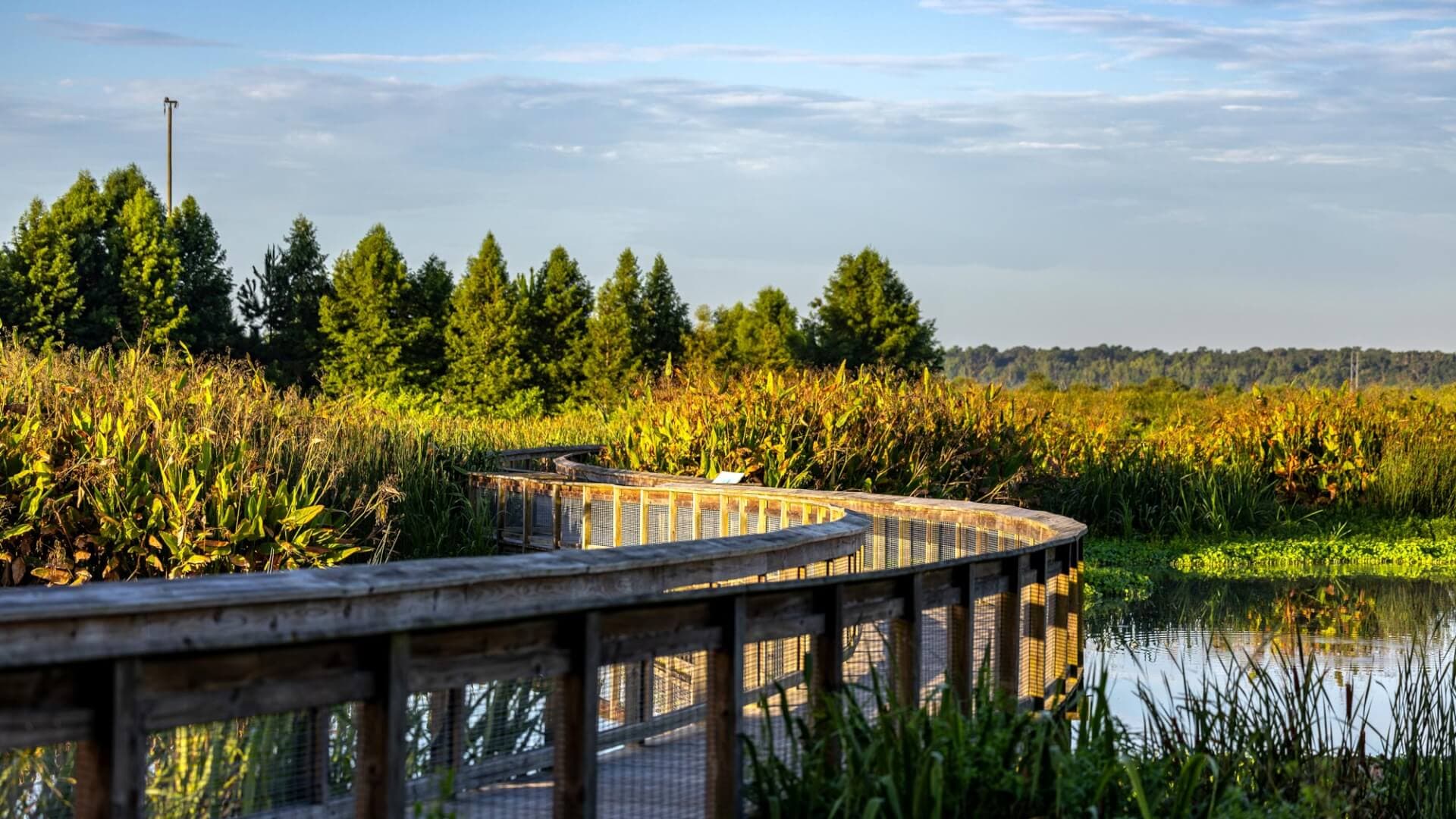
Menominee County holds something increasingly rare in the Upper Midwest: a landscape largely defined by what hasn't been paved over. Forested tracts stretch across the county's interior, wetlands buffer its waterways, and those waterways themselves thread through communities that have built their rhythms around seasonal access to the outdoors. That combination of natural features isn't just scenery. It underpins local quality of life, supports subsistence practices that many families depend on, and draws the kind of quiet, repeat tourism that sustains small businesses without overwhelming the places it touches.
A Landscape Built for the Outdoors
The character of Menominee County's terrain sets it apart from more developed parts of Michigan. Forested land dominates the county's footprint, creating habitat corridors that support wildlife and provide access points for hunters, hikers, and foragers who return season after season. Wetlands, often overlooked in conversations about recreation, play an equally important role: they filter water entering local rivers and lakes, provide critical habitat during migratory bird seasons, and serve as staging grounds for waterfowl hunters in the fall. Together, these ecosystems create conditions that make outdoor activity not just possible but genuinely rewarding across multiple seasons.
Fishing as Anchor Activity
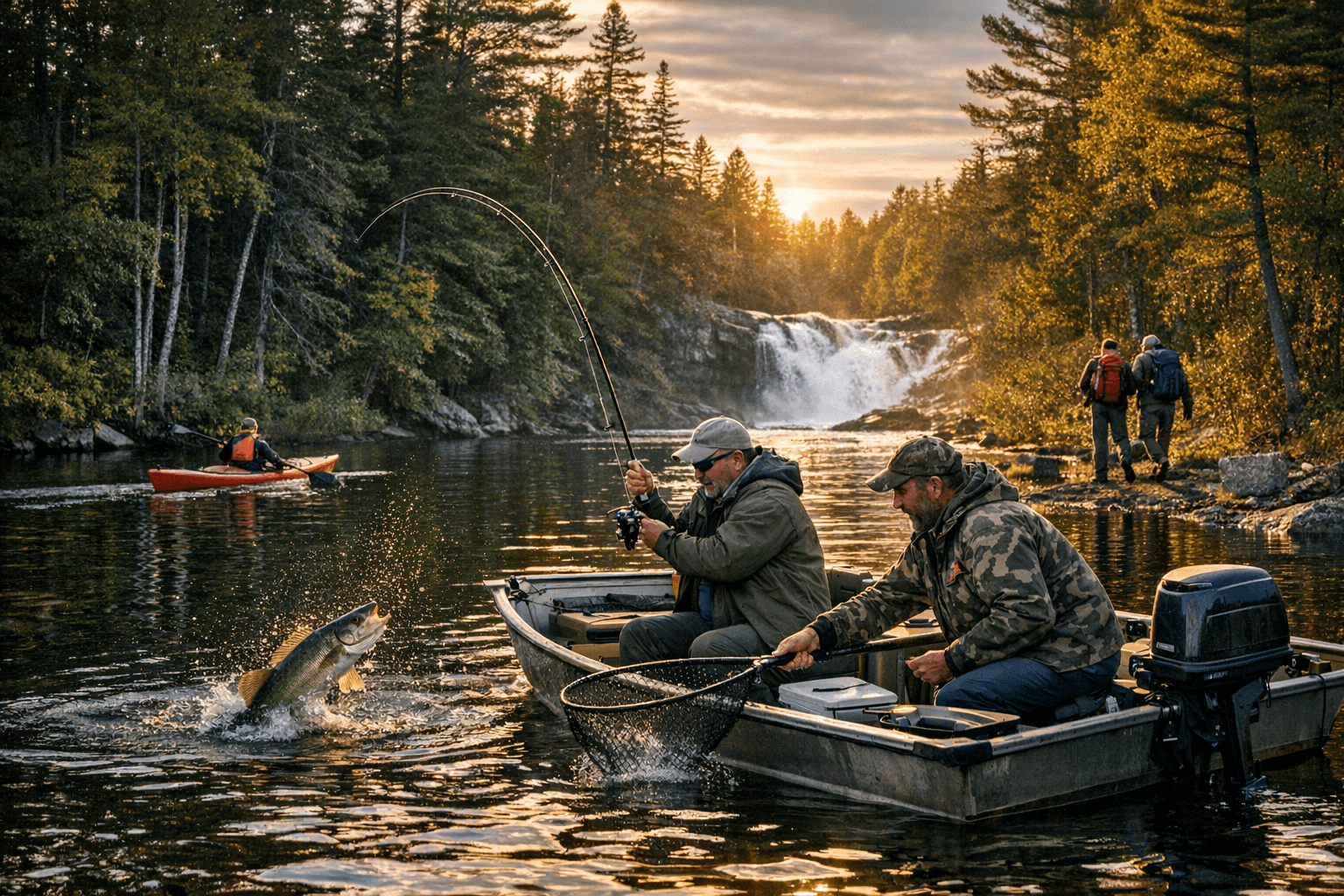
Fishing sits at the center of Menominee County's outdoor identity. The county's waterways offer access to a range of species, and fishing here functions on multiple levels simultaneously. For some residents, it is a subsistence practice, a reliable and culturally significant way to put food on the table through the year. For visiting anglers, it represents a draw that competes favorably with more commercialized destinations precisely because the experience remains closer to what fishing used to feel like before the proliferation of resort infrastructure.
The waterways that define the county's geography make this possible. Rivers and inland lakes accessible throughout the county give both residents and visitors options across seasons, whether that means open-water fishing in summer or ice fishing during the county's often long winters. That year-round accessibility is an economic asset as well as a recreational one, extending the window during which local bait shops, lodging, and outfitters see meaningful traffic.
Subsistence Practices and Local Culture
Understanding Menominee County's outdoor economy requires taking subsistence seriously as a category, not treating it as a footnote to recreational tourism. For a meaningful portion of the county's population, hunting, fishing, foraging, and trapping are practical contributions to household food security. The forested tracts and wetlands that cover much of the county make those practices viable in ways that are increasingly uncommon in more developed regions of Michigan.
This subsistence dimension also shapes the county's relationship with land management and conservation policy. Decisions about timber harvesting, wetland protection, and water quality regulation carry immediate, practical stakes for families whose food supply depends on healthy ecosystems. That reality gives environmental stewardship a concrete local urgency that goes beyond abstract conservation values.
Small-Scale Tourism and Its Advantages
Menominee County has not pursued the high-volume tourism model, and there are good reasons to view that as a strength rather than a missed opportunity. Small-scale tourism, the kind built around fishing access, hunting leases, seasonal cabins, and quiet recreation, tends to distribute economic benefit more evenly across local businesses while imposing lighter burdens on infrastructure and natural resources. Visitors drawn to Menominee County's forests and waterways are typically looking for exactly what the county offers: relative solitude, genuine access to functioning ecosystems, and experiences that don't require a reservation made six months in advance.
That model, however, requires active stewardship to remain viable. The qualities that make Menominee County attractive to this kind of visitor, intact forests, clean waterways, accessible wetlands, are not self-maintaining under pressure from development or resource extraction. The county's long-term tourism potential is inseparable from the health of the natural systems that make outdoor recreation possible in the first place.
Why This Matters Going Forward
Menominee County's forested tracts, wetlands, and waterways represent a form of natural infrastructure that serves the county in ways both tangible and difficult to quantify. Residents rely on it for recreation and subsistence. Local businesses depend on it for the seasonal traffic that keeps them operating. And the county's identity, its sense of place, is bound up in the accessibility of the outdoors in a way that distinguishes it from more urbanized parts of the state.
Maintaining that identity requires treating the landscape not as a backdrop but as an active economic and civic asset. The choices made about land use, water quality, and public access in Menominee County will shape whether the next generation of residents and visitors finds the same forests, wetlands, and waterways that define the county today.
Sources:
Know something we missed? Have a correction or additional information?
Submit a Tip