National Indian Timber Symposium opens in Keshena on Menominee homelands
Tribal foresters met in Keshena for a four-day timber symposium that put the Menominee Forest, wildfire risk and forest jobs at the center of the conversation.

The 49th Annual National Indian Timber Symposium opened June 8 in Keshena, bringing tribal foresters, land managers and policy voices to Menominee homelands for a four-day discussion of forests under pressure.
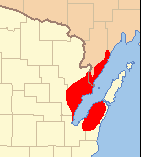
The Intertribal Timber Council hosted the event with the Menominee Indian Tribe of Wisconsin and the Stockbridge-Munsee Community at the Menominee Casino Resort and the College of the Menominee Nation. This year’s theme, Forestry in a Changing Environment, fit the setting closely: the Menominee Forest covers about 235,000 acres, and Menominee Tribal Enterprises says sustained-yield forestry has been practiced on the reservation since 1865.

That long record gave the symposium more than symbolic weight in Menominee County. The Menominee forest has been widely recognized as a model of balancing timber harvests with ecosystem health, and hosting the national gathering in Keshena put that work in front of the people who live and work with it every day, from tribal forestry crews to students at the College of the Menominee Nation.
The Intertribal Timber Council says its annual symposium has been held every year since 1977 and is meant to connect tribes with the Bureau of Indian Affairs, private industry, legislative bodies and academia on forestry management issues. In Keshena, those conversations centered on climate, wildfire, habitat and economic development, all issues that shape whether tribal forests can keep producing jobs while protecting watersheds and wildlife.
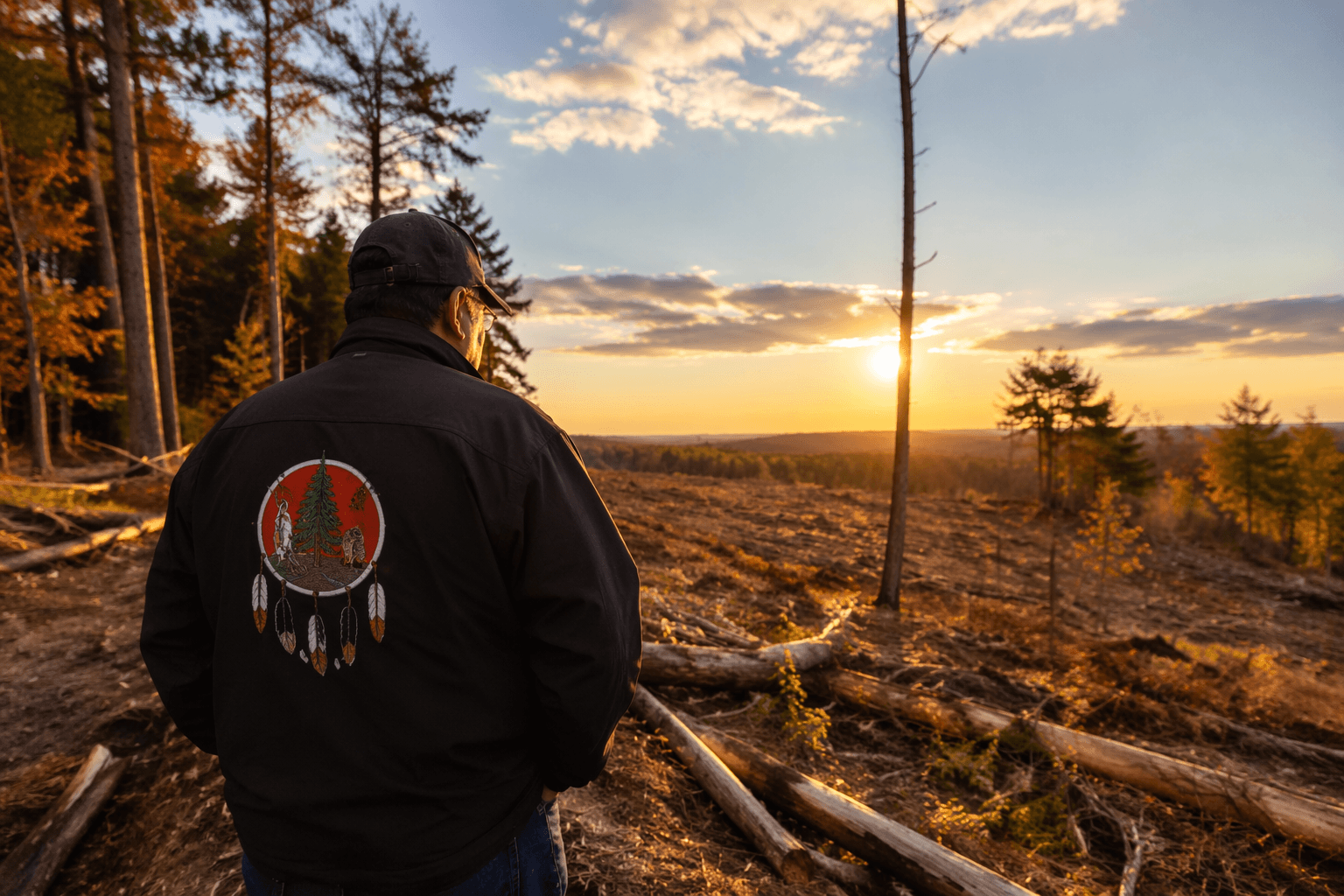
The College of the Menominee Nation, a land-grant institution chartered by the Menominee people, served as one of the host sites on the edge of the Menominee Forest. Its role underscored the practical side of the meeting: the future of Indian forestry is being taught, studied and managed on Menominee land, not just discussed in conference rooms.
The 2026 gathering followed the 48th symposium in Missoula, Montana, and continued a long-running annual exchange among tribal forestry leaders. For Menominee County, the choice of Keshena brought a national forestry conversation home to the forest that has shaped the local economy, the tribal workforce and the community’s identity for more than a century.
This article was produced by Prism’s automated news system from verified source data, official records, and press releases, then run through automated quality and moderation checks before publishing. The system is built and supervised by the people who set the standards it runs under. Read our full AI policy.
Did this article answer your question?