United Way expands coalition to address housing and food insecurity
Menominee Nation leaders joined a new Shawano-Menominee housing coalition after Newcap’s shutdown left shelters closed and more than 100 households at risk.
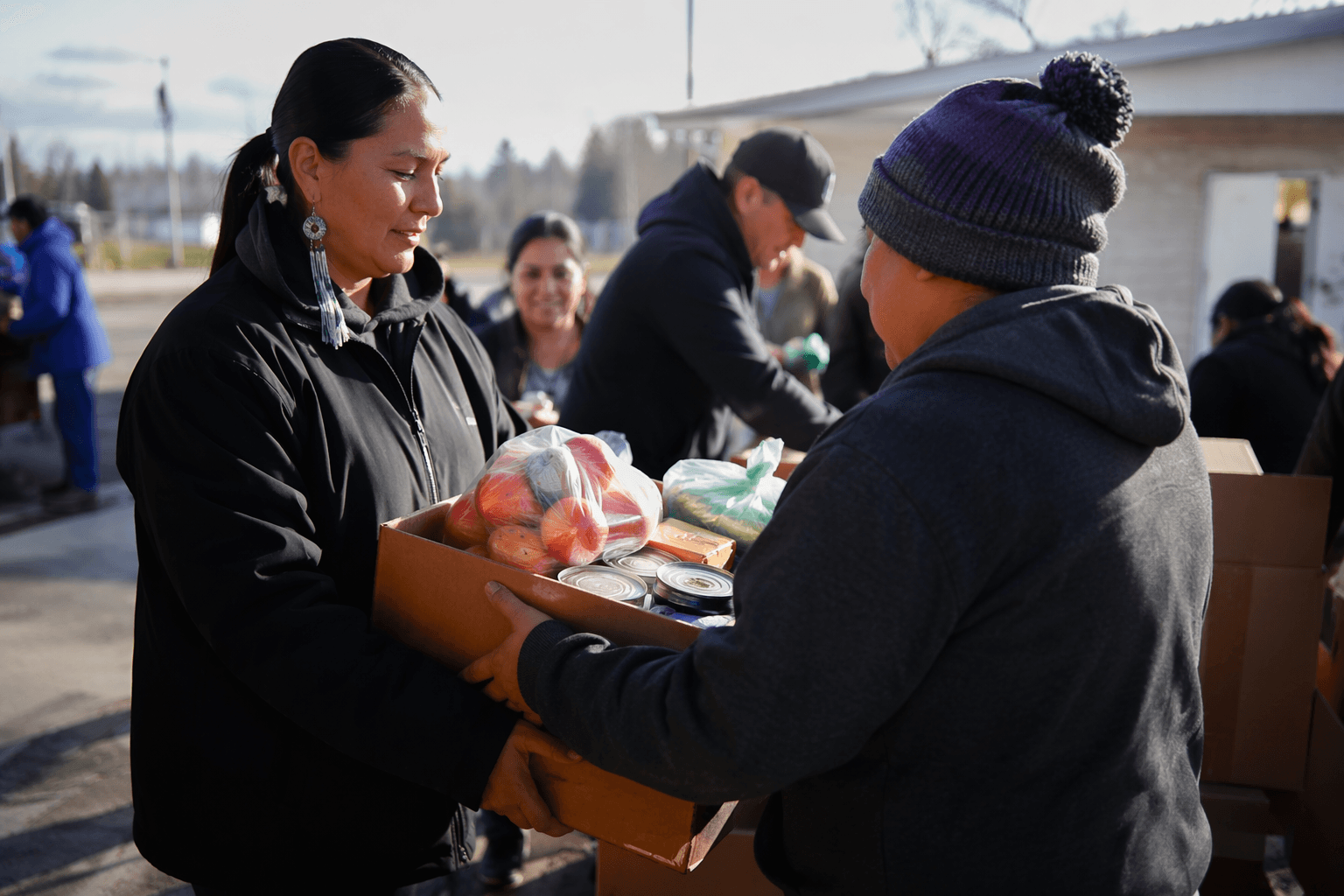
United Way’s expanded role in local housing and food insecurity now includes a new coalition for Shawano and Menominee counties, and Menominee Nation representatives are part of the table. The shift came as leaders tried to fill the gap left by Newcap, the northeast Wisconsin anti-poverty nonprofit that closed March 31 after more than 50 years in 10 counties and left a broad regional response scrambling to rebuild.
Shawano Area United Way executive director Uriah Williams said the coalition brought together a wider mix of people than the earlier effort. Along with Shawano officials such as Alderman Jack Young, City Administrator Eddie Sheppard and City Clerk Lesley Nemetz, the group also included Menominee Nation representatives and area nonprofits working on homelessness. The practical change is not just who attends the meetings, but whether the people who control housing, shelter access and emergency aid are finally making decisions together.
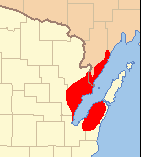
That coordination became more urgent after Newcap’s abrupt shutdown. Later reporting said the organization laid off 90 employees, left more than 100 households at risk of losing housing and closed three year-round homeless shelters by March 31, including one in Shawano. The new coalition fits into the broader Wisconsin Balance of State Northeast Local Homeless Coalition region, which includes Florence, Marinette, Menominee, Oconto and Shawano counties, placing Menominee County within a larger regional system rather than an isolated local effort.
The need in Menominee County is severe. The 2026 State of ALICE report from Shawano Area United Way and United Way of Wisconsin found that 48% of households in Menominee County cannot afford the basic cost of living, compared with 35% in Shawano County. That kind of pressure is especially important for families in Keshena, Neopit, Zoar and surrounding reservation communities, where housing shortages and food access problems often overlap.
The Menominee Indian Tribe of Wisconsin already has infrastructure that could shape the coalition’s work. The tribe says its Housing Department has 40 staff members, and its HUD-funded housing service area covers Menominee, Shawano, Langlade and Marathon counties. The tribe’s emergency resources page also lists Menominee Tribal Housing as a housing resource and includes a waiting-list phone number.
Shawano Area United Way said its community resource guide is used by providers throughout Shawano and Menominee counties, is updated twice a year and now lists more than 85 programs. With nonprofit leaders in both counties already invited to collaborative roundtables, the new coalition is emerging as a more formal structure for housing and homelessness work across the region.
This article was produced by Prism’s automated news system from verified source data, official records, and press releases, then run through automated quality and moderation checks before publishing. The system is built and supervised by the people who set the standards it runs under. Read our full AI policy.
Did this article answer your question?