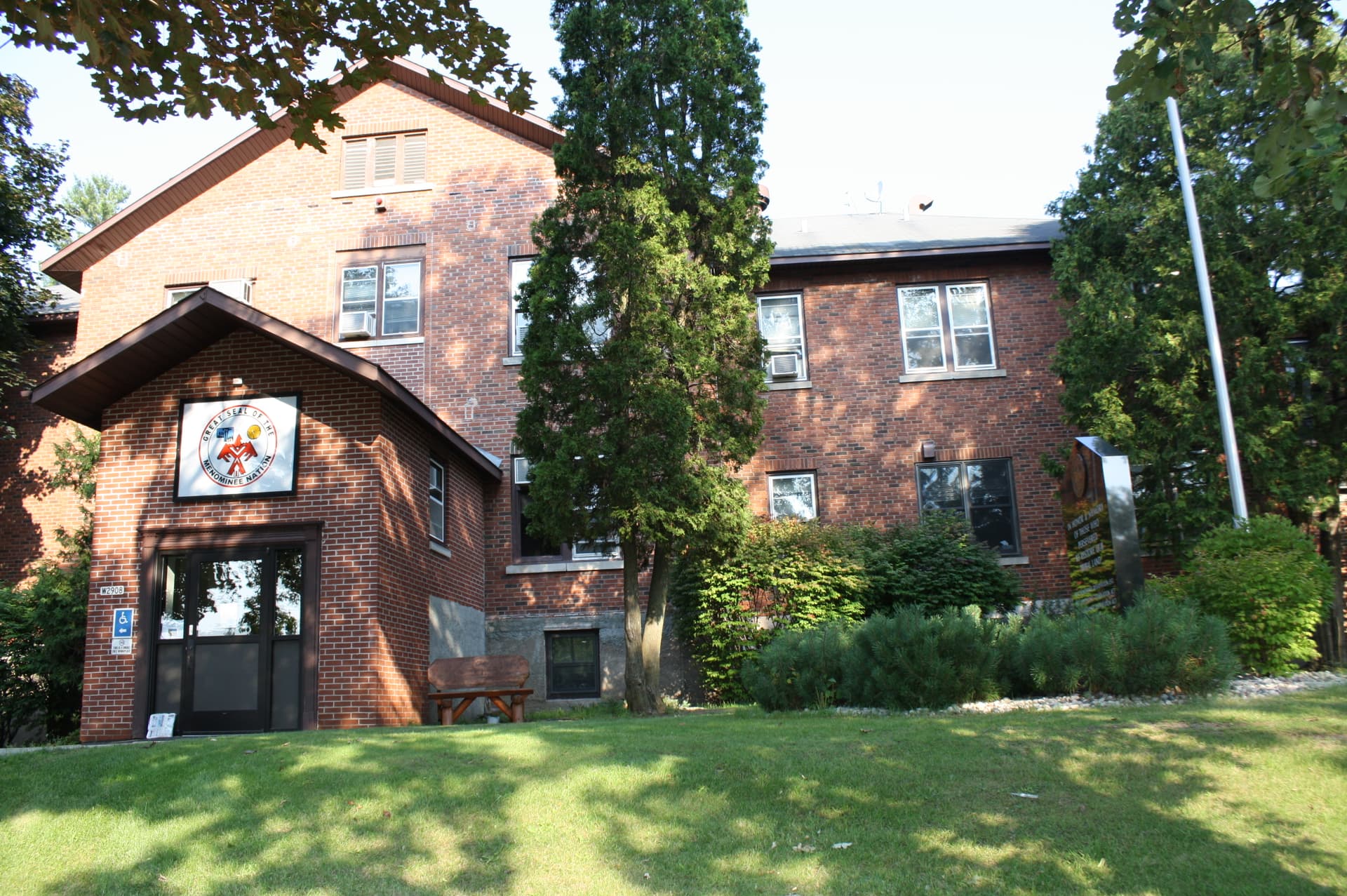
New priest to lead St. Anthony, St. Michael parishes in July transition
Two Menominee County parishes will change priests on July 1, as Hanz Christian Borbor exits and Juan Tejerero Jr. takes over St. Anthony and St. Michael.
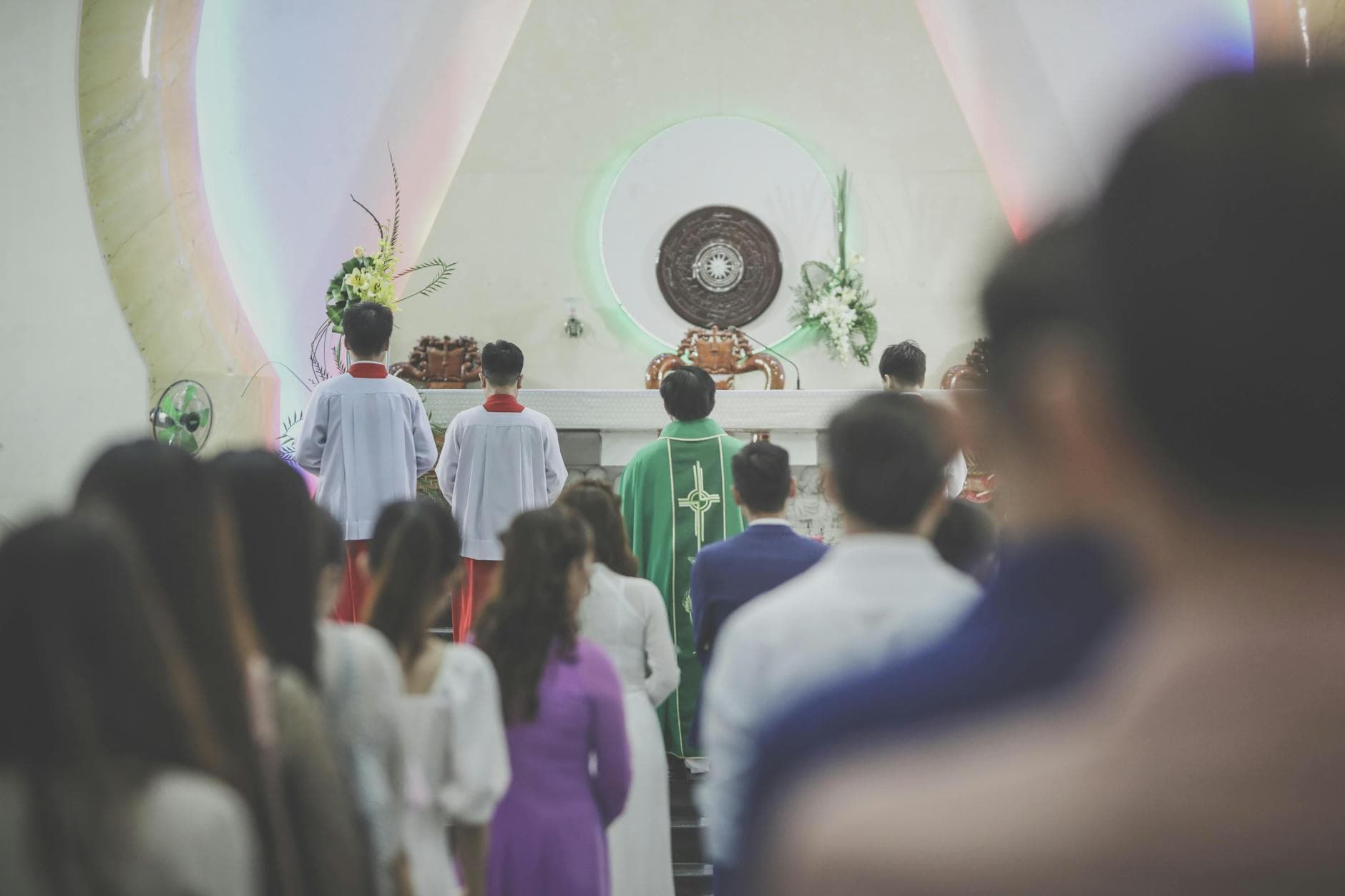
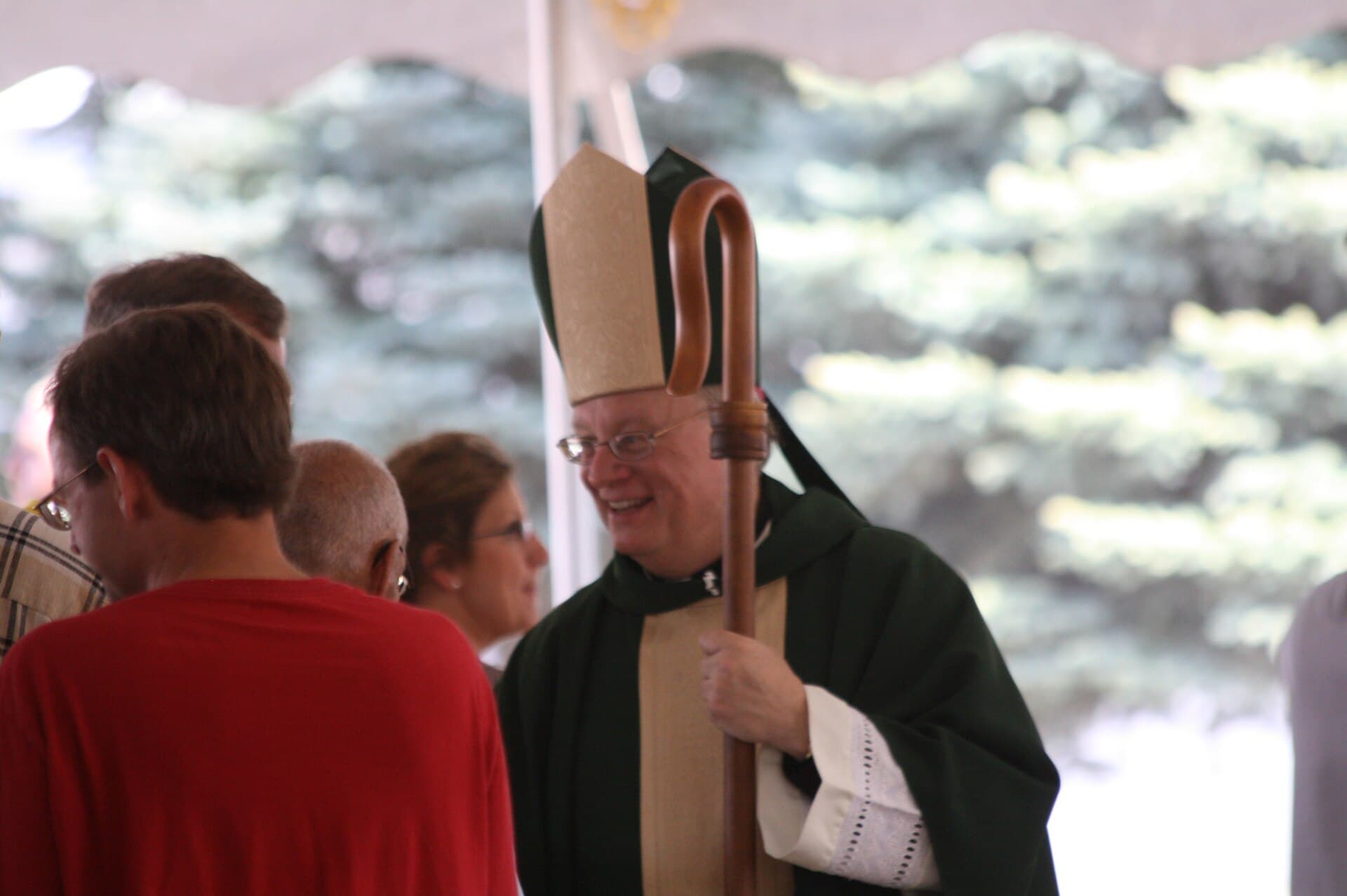
Bishop David Ricken’s latest priest assignments set a clean handoff at two of Menominee County’s most visible Catholic parishes. The Rev. Hanz Christian Borbor will end his appointment as administrator of St. Anthony Parish in Neopit and St. Michael Parish in Keshena on June 30, and his faculties for the Diocese of Green Bay will end the same day. The Rev. Juan Tejerero Jr. will become administrator of both parishes effective July 1.
The transition matters well beyond the chancery because one priest’s assignment touches nearly every part of parish life. At St. Anthony and St. Michael, leadership affects Sunday Mass, baptisms, funerals, sacramental preparation, religious education and the day-to-day decisions that keep parish outreach moving. For families who rely on the parishes for worship and milestone events, the July 1 date gives a clear timeline and a planned handoff rather than a sudden change.
That continuity is especially important at St. Michael Parish in Keshena, which says it is located on the Menominee Indian Reservation and serves a diverse Christian community through the Catholic Mass and sacraments while integrating Menominee sacred symbols and spiritual practices. St. Anthony Church in Neopit has also been identified in Marquette University’s Native Catholic records guide as a predominantly Native American, Menominee parish in the Diocese of Green Bay. Together, the two churches remain central gathering places for worship, family rites and community support.
The reassignment is part of a broader diocesan cycle, not an isolated move. The Diocese of Green Bay says its Catholic roots in northeastern Wisconsin date to 1634 and that it was formally established in 1868. Its archives also maintain microfiche copies of sacramental records and can research parish and diocesan history, underscoring how parishes like St. Anthony and St. Michael fit into a long institutional record that stretches across generations.
At St. Anthony, that history carries added weight. A 2021 Green Bay Press-Gazette report said the church bells ring twice a day, at 6 a.m. and 6 p.m., and that some Menominee elders connect those bells to trauma from the era of church- and government-run Indian schools. That memory helps explain why even routine clergy changes are closely watched in Neopit and Keshena. The coming months will show how Tejerero carries forward worship, sacramental work and parish administration in two communities where the church remains part of daily life.
This article was produced by Prism’s automated news system from verified source data, official records, and press releases, then run through automated quality and moderation checks before publishing. The system is built and supervised by the people who set the standards it runs under. Read our full AI policy.
Did this article answer your question?