Amendment 3 could reshape Miami-Dade affordable housing funding
Amendment 3 could protect or squeeze CRA-backed housing money in Overtown, Goulds and NW Miami-Dade, where $175 million in bonds and new plans are already in motion.
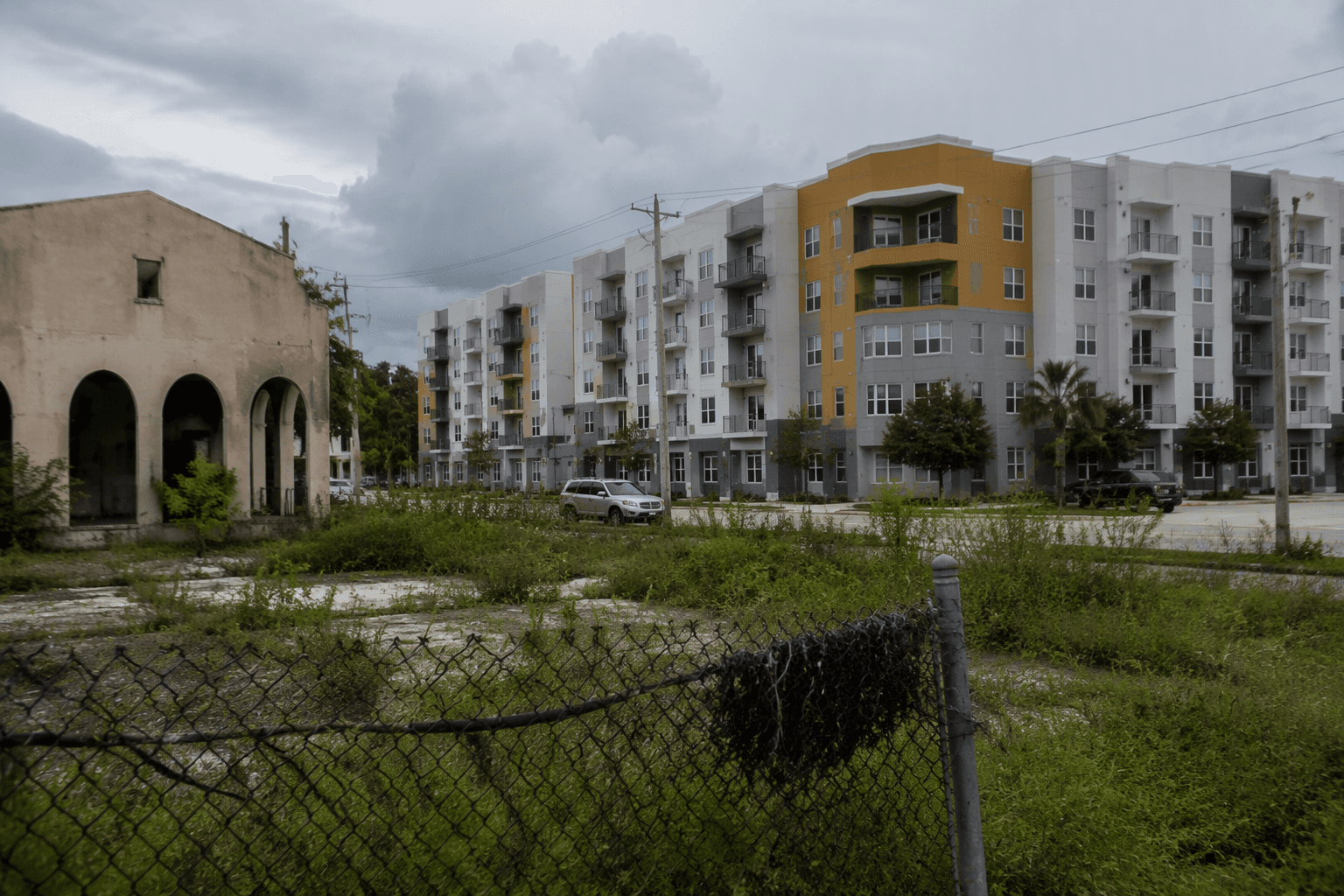
Amendment 3 could decide whether Miami-Dade keeps the redevelopment money now feeding housing work in Overtown, Goulds, the NW 79th Street corridor and the NW 7th Avenue corridor. If the rule change alters how CRA revenue is collected or protected, the immediate impact will fall on neighborhoods waiting for rehab grants, affordable units and street-level repairs.
Where CRA dollars land first
In Florida, a CRA is a dependent special district in which future increases in property values are set aside to support redevelopment projects and related activities inside that district, under the Florida Redevelopment Association's definition. That tax increment financing structure is the reason Miami-Dade cities and the county use CRAs to push money toward places that have long needed reinvestment.
Miami-Dade already has a wide CRA map, including the NW 79th Street CRA, the NW 7th Avenue Corridor CRA, the Naranja Lakes CRA and the Southeast Overtown/Park West CRA. The NW 79th Street CRA published a 2023-2024 annual report covering Oct. 1, 2023 to Sept. 30, 2024, and the NW 7th Avenue Corridor CRA published an annual report for fiscal year 2024-2025. The county is still actively tracking tax base growth and redevelopment obligations.
It is whether Amendment 3 changes the rules in a way that slows the flow of future tax increment dollars or makes local officials more cautious about committing them. That kind of change would be felt first in the places already depending on CRA revenues to make projects pencil out.
The Miami-Dade neighborhoods most exposed
The biggest immediate winners, if CRA financing remains intact, are the neighborhoods with active plans and established administrative machinery. NW 79th Street and the NW 7th Avenue corridor already have annual reports, which means they have ongoing budgets, planning files and projects that can continue if the revenue stream stays stable. Naranja Lakes also stands inside the county’s CRA system, giving it the same basic exposure to any rule change that affects future increment growth.
Overtown and Park West stand out because the money at stake is already large and specific. In a July 1, 2025 memorandum, Miami-Dade County authorized the Southeast Overtown/Park West CRA to issue tax increment revenue bonds up to $175 million for grants used to help finance construction or rehabilitation projects.
The more vulnerable places are the newer or still-forming districts. Miami-Dade County established the Goulds Community Redevelopment Area in 2023, and a 2025 draft redevelopment plan for Goulds includes a section titled “Funding & Tax Increment Financing.” If Amendment 3 makes future revenue capture less certain, Goulds could feel the pressure before older districts do, because it is still building the financial base that makes redevelopment possible.
A Miami-Dade document dated Oct. 30, 2025 shows that on Oct. 21, 2025, the South Miami City Commission approved a Finding of Necessity for establishing a CRA. Any rule change that complicates CRA creation would put extra strain on a city that is still at the starting line, not in the middle of a mature redevelopment cycle.
The affordable-housing pipeline already depends on this structure
Miami-Dade’s housing strategy is already layered with financing tools, and CRAs are one of the few local mechanisms that can directly support neighborhood-specific redevelopment. The Florida Legislature enacted the Live Local Act in 2023, then amended it in 2024, 2025 and 2026 through Senate Bill 328, Senate Bill 1730 and HB 1389.
CRA-backed money often fills the gap between broad state housing policy and a specific project on a specific parcel. In Overtown and Park West, the county’s $175 million bond authorization suggests construction and rehabilitation grants were already being lined up around the CRA structure. In Goulds, the draft plan’s tax increment financing section shows that the district is still counting on future tax growth to fund redevelopment. In the NW 79th Street and NW 7th Avenue corridors, redevelopment planning is already in motion, not waiting for a new concept.
It could decide whether a housing rehab grant moves forward, whether an affordable unit gap gets closed, or whether a long-delayed streetscape project stays on paper.
What county and city leaders would have to do next
If voters approve Amendment 3 and the rules shift, Miami-Dade County and city leaders would have to review the legal and budgetary plumbing of their redevelopment plans almost immediately. The Board of County Commissioners would need to look at existing CRA agreements, pending bond commitments and any district that depends on future tax increment growth, especially Overtown/Park West, Goulds, NW 79th Street and NW 7th Avenue.
The County’s Office of Policy & Budgetary Affairs and Development Services Division would also be pulled in, because those offices track the redevelopment plans, funding documents and implementation changes that translate a ballot shift into actual projects. A change to CRA rules would force a similar update to county assumptions, especially where affordable-housing pipelines depend on a predictable local match.
For Miami-Dade, the near-term choices would be concrete: preserve existing project commitments where possible, decide whether new CRA creation remains viable, and determine whether other county or city funds must step in if tax increment financing becomes harder to use. The local test would be whether a district like Goulds can finance its next phase, whether South Miami can launch its new CRA, and whether Overtown and Park West keep the bond-backed housing work moving.
This article was produced by Prism’s automated news system from verified source data, official records, and press releases, then run through automated quality and moderation checks before publishing. The system is built and supervised by the people who set the standards it runs under. Read our full AI policy.
Did this article answer your question?