Miami-Dade murder suspect rejects plea deal, shouts at judge in court
Onelio Castro-Arroyo rejected a plea deal and shouted at a Miami-Dade judge in a case over the 2019 stabbing death of his wife in front of their 7-year-old daughter.
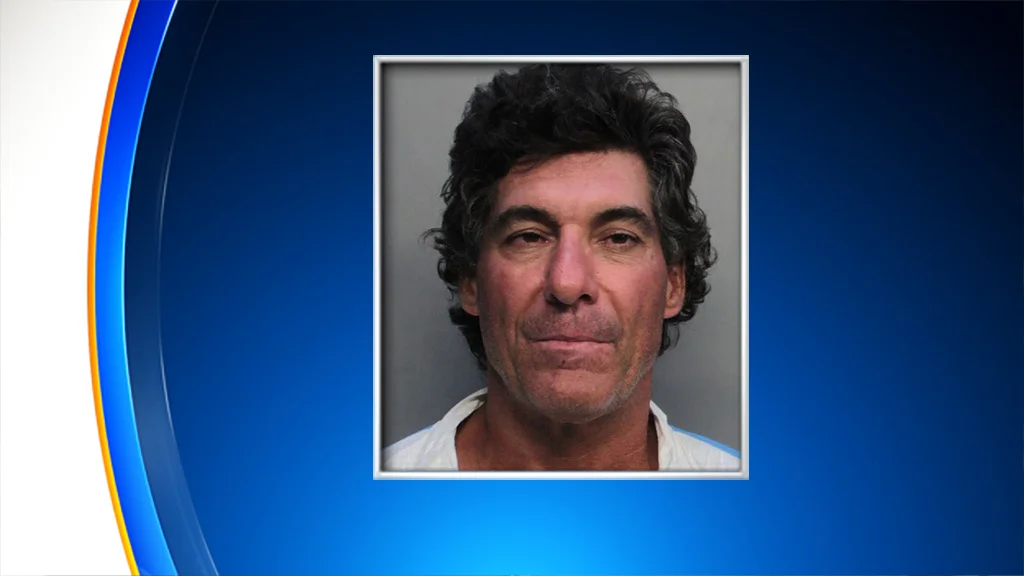
Onelio Castro-Arroyo rejected a plea deal and shouted at a Miami-Dade judge during a hearing that kept alive the case over the 2019 killing of his wife. The 58-year-old is accused of stabbing his 45-year-old wife 16 times in front of their 7-year-old daughter, a fact pattern that places the victim’s relatives and the child witness at the center of any trial.
The case has already moved through years of pretrial disputes. In August 2024, a judge denied Castro-Arroyo’s request to represent himself, leaving him to face the charges with counsel as the murder case continued through the Miami-Dade court system. His rejection of the latest plea offer means prosecutors and the defense will have to keep working through a case that now appears headed toward a public jury trial rather than a closed-door resolution.

That path matters in domestic homicide cases, where a plea can sometimes spare families from reliving the facts in open court. Here, the daughter who was reportedly present when the attack happened could become one of the most important witnesses or sources of testimony, and the victim’s relatives would be forced to confront the details of the killing again if the case goes to trial.
The legal backdrop also shows why plea negotiations carry so much weight in American criminal courts. A Vera Institute review published in 2020 found that most criminal cases in the United States end in plea deals rather than trials. When a defendant rejects an agreement, as Castro-Arroyo did, the court’s role shifts from managing a negotiated outcome to preparing for a contested test of evidence.
Miami courts have recently handled other emotionally charged family-homicide cases as well. In June, Precious Bland was acquitted by reason of insanity in a separate Miami case involving the killing of her daughter and the stabbing of loved ones, another reminder that domestic violence prosecutions can turn into some of the most difficult proceedings in the county courthouse.
This article was produced by Prism’s automated news system from verified source data, official records, and press releases, then run through automated quality and moderation checks before publishing. The system is built and supervised by the people who set the standards it runs under. Read our full AI policy.
Did this article answer your question?