South Florida man pleads guilty to smuggling 140 guns to Haiti
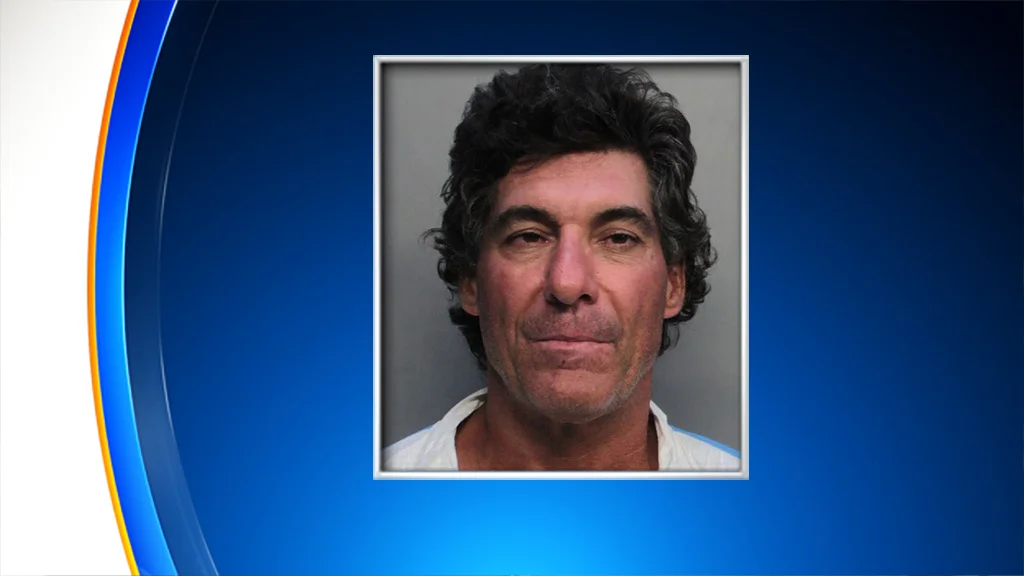
Jean Robert Casimir pleaded guilty to smuggling at least 140 guns from South Florida to Haiti, hiding the weapons inside industrial air compressors.
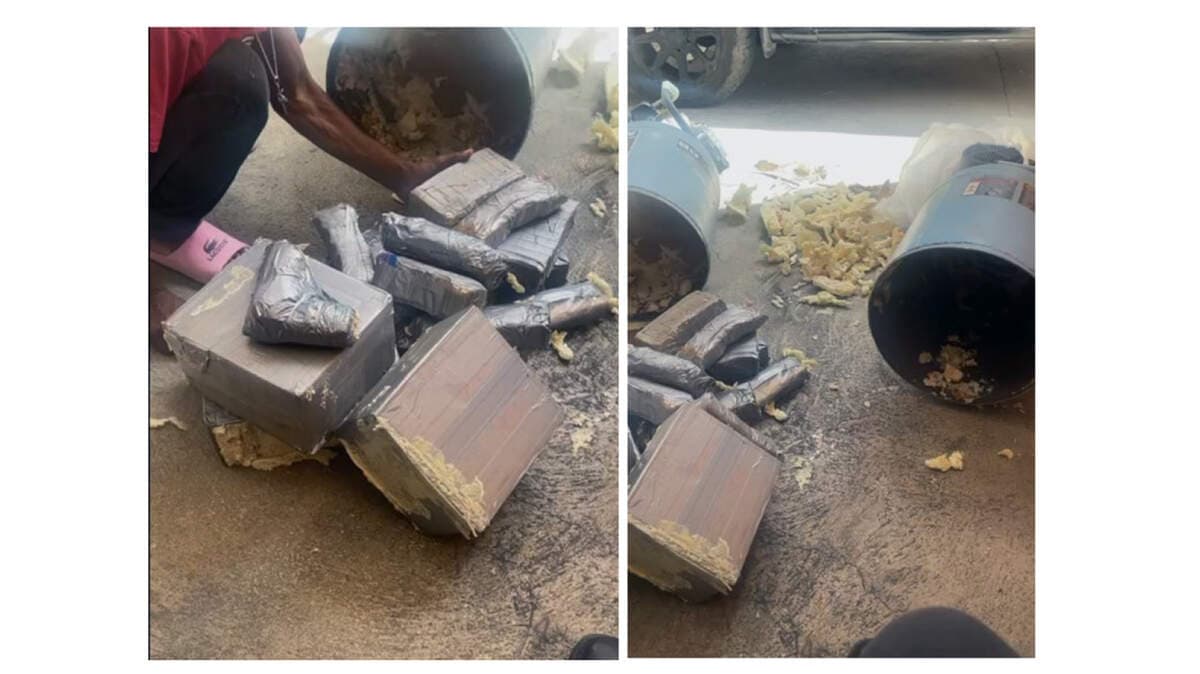
A Lauderhill man pleaded guilty in federal court to smuggling at least 140 firearms from South Florida to Haiti, putting Miami’s shipping network at the center of a weapons pipeline feeding a country already wracked by gang violence. Jean Robert Casimir, 53, admitted to conspiracy, smuggling and export-control violations, federal prosecutors said.
Investigators said Casimir moved the guns from at least August 2020 through December 2024 and hid them inside hollowed-out industrial air compressors before shipping them out of the Miami area. Casimir was arrested in December 2024. Court summaries tied at least two semi-automatic AR-15-style assault weapons back to him, a sign of how military-style firearms were blended into ordinary cargo.
The case was handled as part of a Homeland Security Task Force Initiative, the Justice Department said. For Miami-Dade County, the plea puts renewed scrutiny on the region’s ports, airports and freight corridors, which have long served as gateways for cargo moving between Florida and the Caribbean.
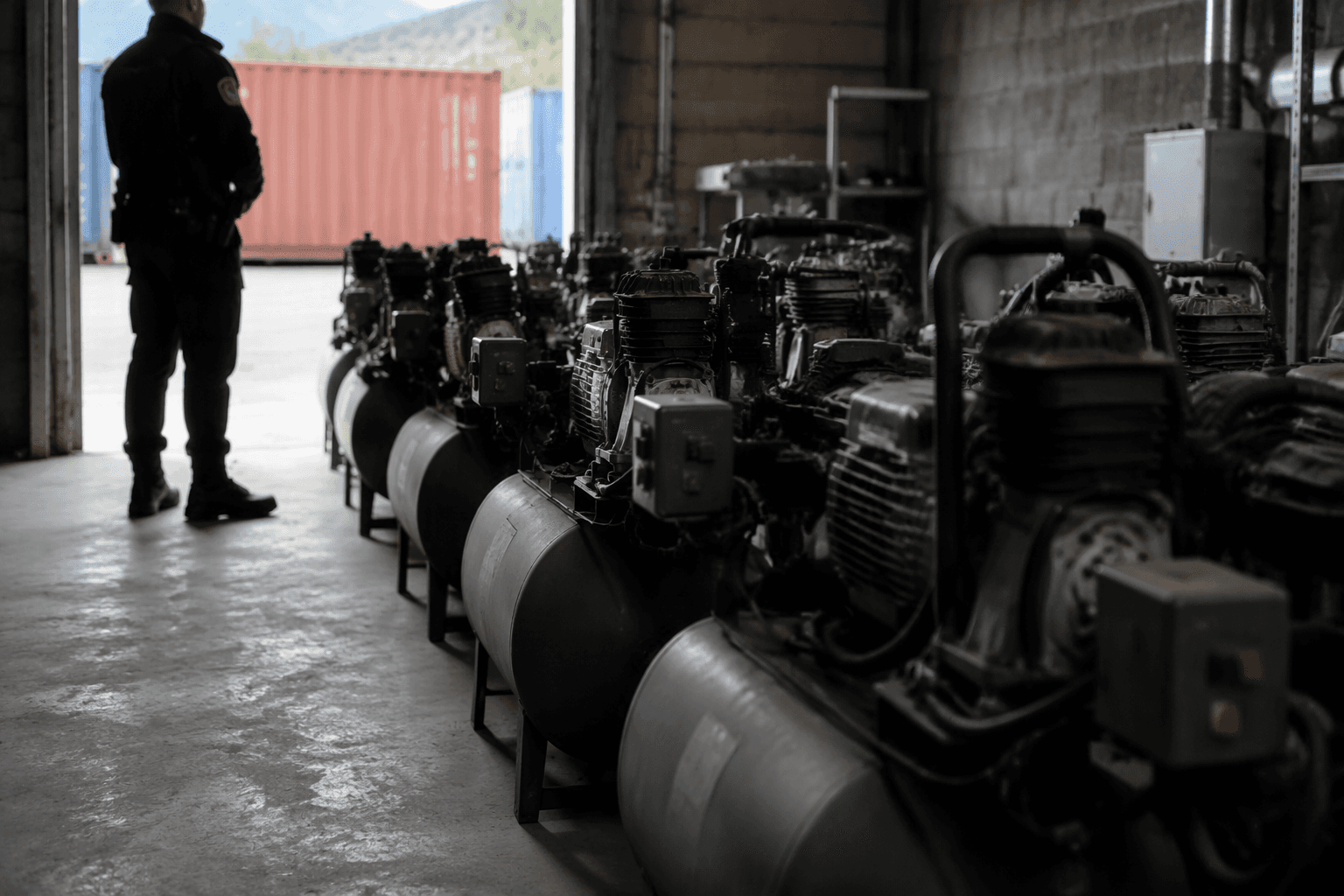
Casimir was identified as a naturalized U.S. citizen of Lauderhill and as a former Haiti national police officer. Coverage has also said he once served on the security team of a former Haiti National Police chief. That background gives the case a sharper edge: the same logistics network that moved guns out of South Florida allegedly carried them toward a country where police and government institutions have struggled against heavily armed gangs.
Haiti’s collapse into deeper insecurity has made firearms trafficking a major regional concern, and Congress has already taken notice. A Sept. 26, 2024 letter from U.S. senators raised alarms about Haiti arms trafficking, as South Florida continued to surface in the flow of weapons toward the island. Casimir’s guilty plea gives federal agents a clearer look at how those shipments were concealed, who handled them and how Miami remained a key launch point.
This article was produced by Prism’s automated news system from verified source data, official records, and press releases, then run through automated quality and moderation checks before publishing. The system is built and supervised by the people who set the standards it runs under. Read our full AI policy.
Did this article answer your question?