Miami-Dade leads Florida in confirmed parasite cases amid outbreak concerns
Miami-Dade had Florida’s highest confirmed Cyclospora count as state totals reached 158 cases across 36 counties, a warning for school-year food safety.
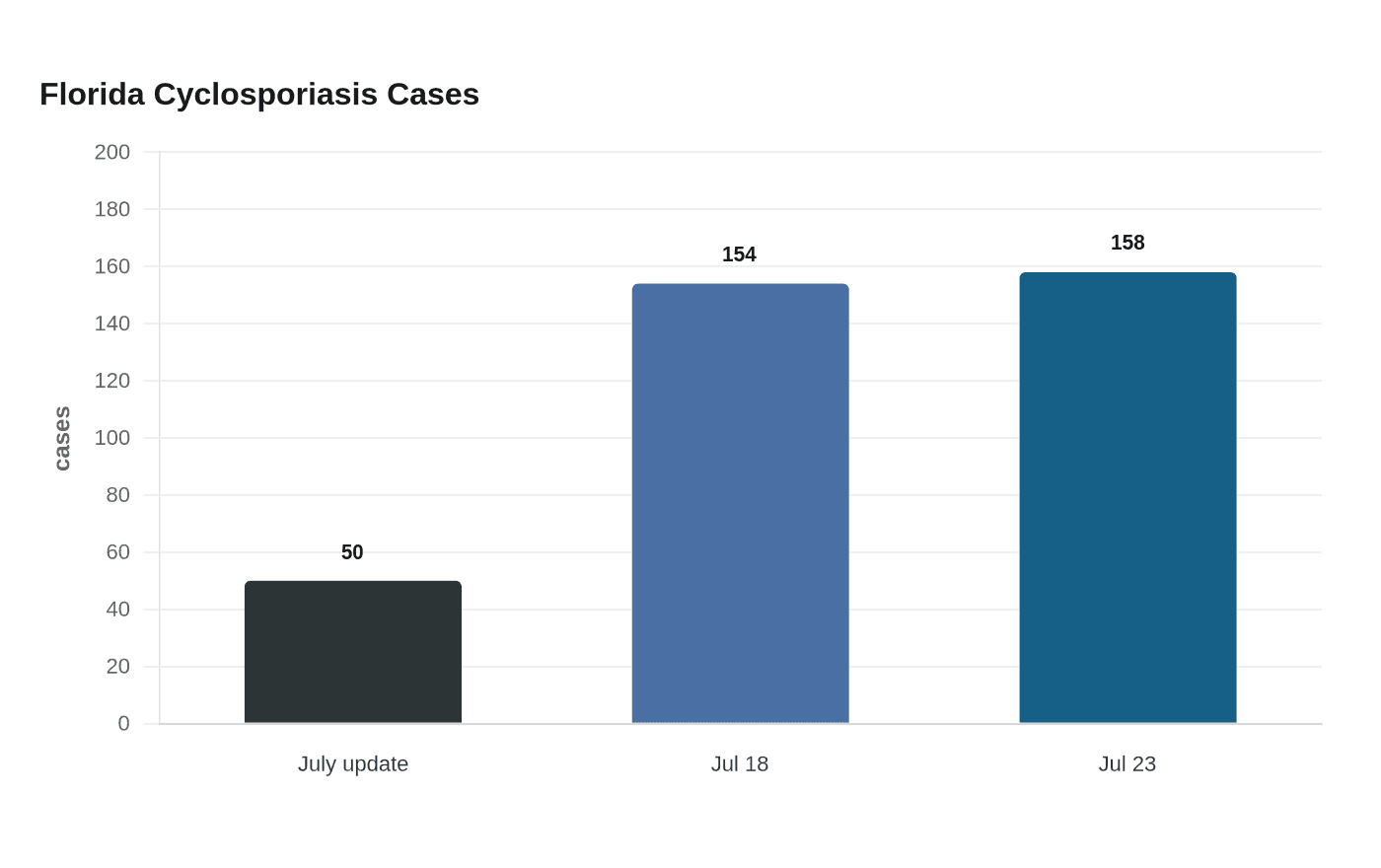
Miami-Dade had Florida’s highest confirmed cyclosporiasis count as state health data showed 154 confirmed cases by July 18, and a July 23 update later put the total at 158 across 36 counties since May 1. The microscopic Cyclospora parasite causes severe diarrhea, and the county’s lead put Miami-Dade families, schools, day cares and restaurants on notice as the back-to-school season approached.
The infections were not confined to one pocket of South Florida. Miami-Dade and Broward were both listed among affected counties, and Monroe County later logged its first case. NBC 6 South Florida said Miami-Dade cases nearly tripled in a week, while CDC outbreak pages in July placed Florida within a broader multistate situation spanning 18 states. That wider spread matters in a county where travel, food service and everyday movement run through Miami International Airport, PortMiami and a dense restaurant and grocery network.
Cyclospora spreads through contaminated food or water, often through fresh produce that has been exposed to fecal contamination before it reaches the table. That makes the risk harder to spot than a typical stomach bug, because the food can look and smell normal. Florida health coverage has described cyclosporiasis as a foodborne intestinal illness that can be undercounted when people never realize they are sick or never get tested.
For parents and caregivers, the practical red flags are severe diarrhea and symptoms that do not let up. Diarrhea can quickly become dangerous through dehydration, especially for young children, older adults and people with weakened immune systems. Health officials have also warned residents to wash produce carefully and avoid contaminated food or water sources, while doctors are likely to ask about recent travel, diet and other exposures when someone comes in with ongoing gastrointestinal illness.
Florida’s numbers moved fast enough to keep Miami-Dade at the center of the state picture. One July update put Florida at about 50 cases, but the tally climbed sharply in the days that followed. In Miami-Dade, where schools, summer camps and day care centers are preparing for the new term, the count is now a county public-health issue as much as a travel or food-safety one.
This article was produced by Prism’s automated news system from verified source data, official records, and press releases, then run through automated quality and moderation checks before publishing. The system is built and supervised by the people who set the standards it runs under. Read our full AI policy.
Did this article answer your question?