Miami favored to win ACC as Florida State enters with questions
Miami opens 2026 as the ACC favorite, and that status reverberates through Miami-Dade. Florida State's pressure only sharpens what real progress would look like for Hurricanes fans.
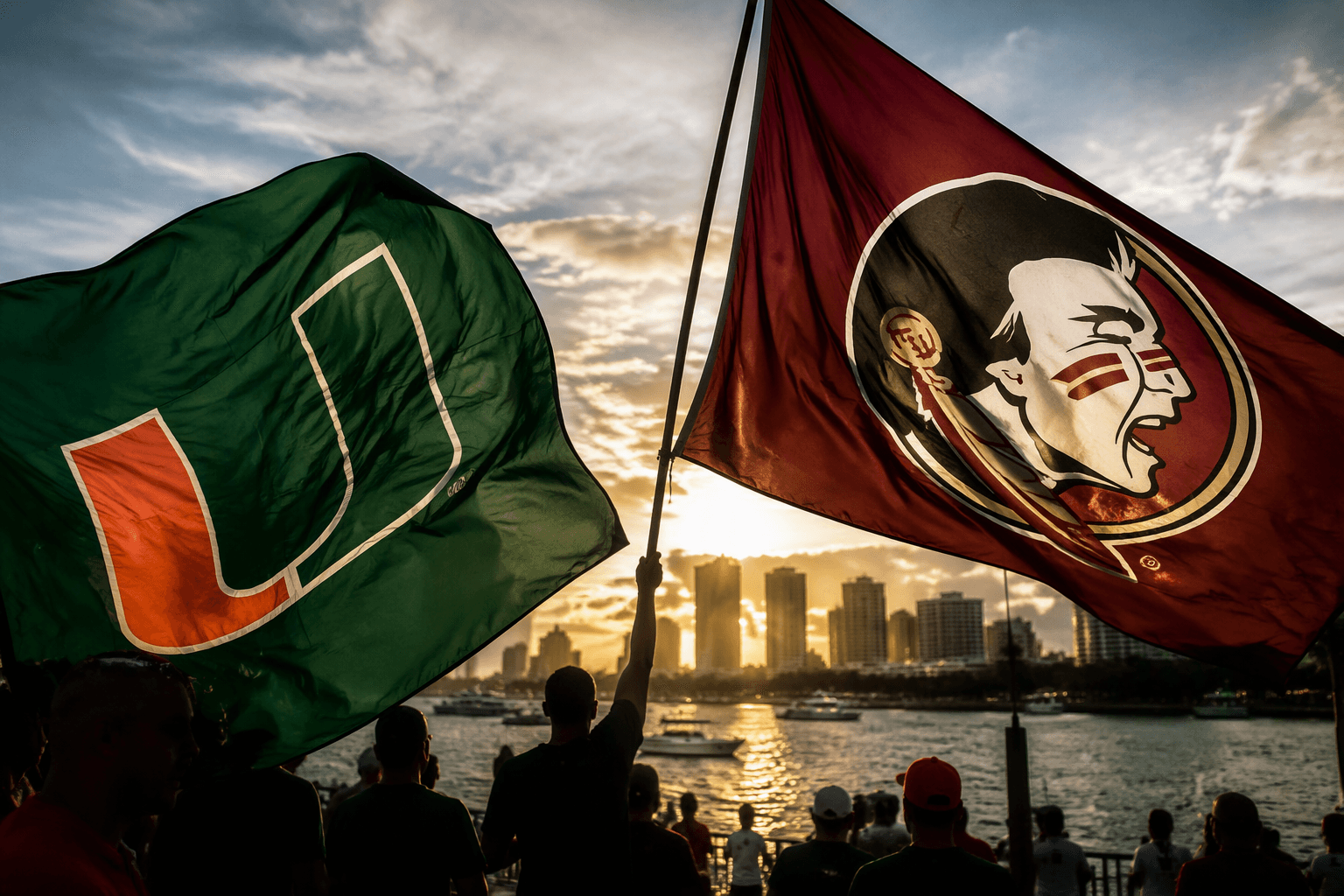
Miami enters 2026 with the kind of preseason billing that reaches well past the rankings page and into Miami-Dade County’s daily sports conversation. The Atlantic Coast Conference put the Hurricanes at the front of its championship race, the USA Today Coaches Poll had them at No. 7, and CBS Sports saw a team with a legitimate path to No. 1. In South Florida, that combination turns every game at Hard Rock Stadium into a test of relevance, not just record keeping.
Miami’s ceiling is the story
The ACC’s July 28 preseason selection placed Miami as the league favorite to win the 2026 football championship, a clear signal that the program starts the year as more than a hopeful contender. CBS Sports added to that picture in June, describing Mario Cristobal’s team as loaded and pointing to a favorable schedule, even while noting that skeptics remain. That is the core tension around the Hurricanes now: the roster, the ranking and the conference vote all point up, but the scrutiny has not gone away.
Miami’s No. 7 spot in the preseason USA Today Coaches Poll matters because it gives the Hurricanes both visibility and a target. It also made them the highest-ranked ACC team in that poll, which tells you how the national picture has shifted before a snap was played. For Miami-Dade readers, that kind of ranking is not abstract. It influences how much attention the program gets on local radio, how quickly fans commit to tickets, and how often the Hurricanes lead the sports conversation over the Dolphins, Inter Miami and the rest of South Florida’s crowded calendar.
Why this matters in Miami-Dade
The Hurricanes are the county’s flagship college team, and preseason optimism reaches directly into fan attention and ticket demand. When Miami starts near the top of the ACC conversation, it is easier to sell Saturdays in Miami Gardens, easier to keep student energy high in Coral Gables, and easier to make the case that the program can still claim a piece of Miami’s sports identity. When the season goes the other way, every inconsistency invites the familiar questions about whether the team is truly capitalizing on South Florida talent.
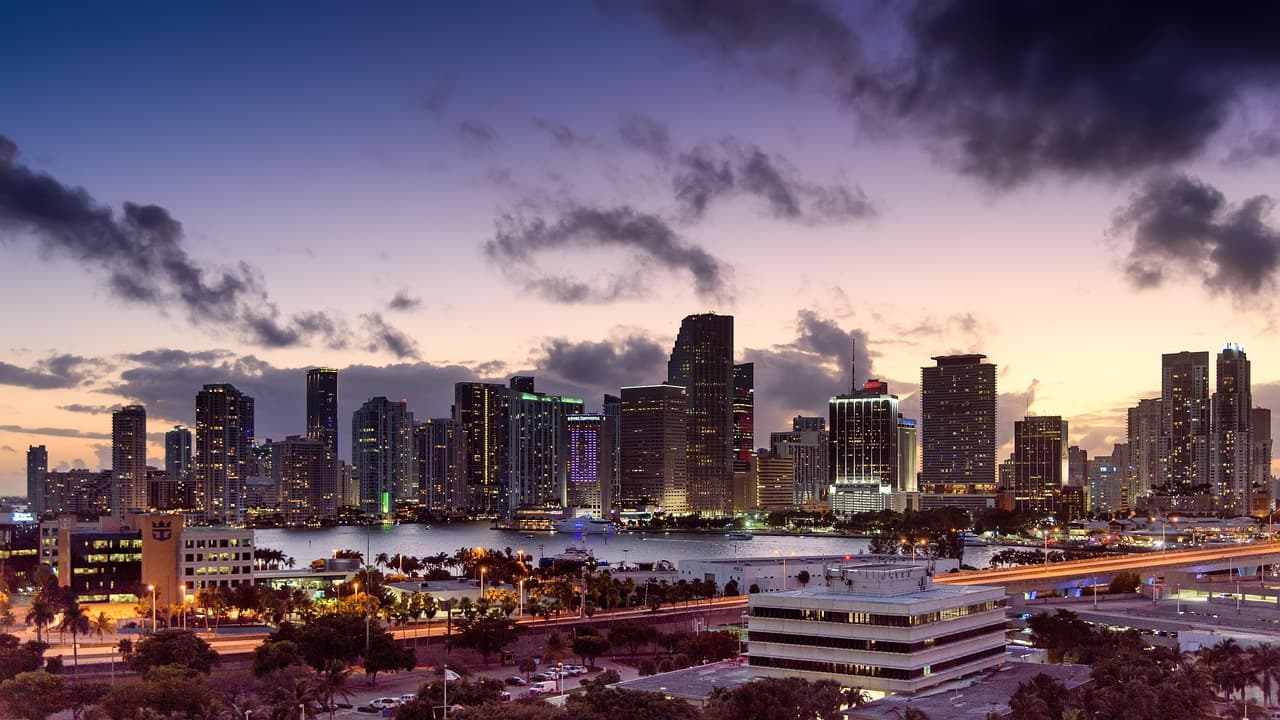
Hard Rock Stadium sits at the center of that equation. The venue in Miami Gardens hosts Miami Hurricanes football and remains one of the major stages in South Florida’s sports calendar. A January 2026 NBC 6 South Florida report framed Miami as playing for a championship at Hard Rock Stadium, which is exactly the kind of imagery the program needs when it wants to feel bigger than a campus team. A University of Miami athletics social post also claimed an attendance record of 510,673 Canes fans during the season, a number that speaks to the program’s draw even before the schedule reaches its biggest matchups.
That local pull is part of why preseason expectations matter so much here. A strong year can turn Miami football into a civic asset, driving bigger crowds, more visible recruiting momentum and a louder claim on the city’s identity. A weak year does the opposite, shrinking the program back into the old cycle of promise and frustration.
Florida State is the foil, but the pressure is real
Florida State enters 2026 as the clearest contrast to Miami’s optimism. CBS Sports gave Mike Norvell its highest possible hot seat rating on July 15, and ESPN’s July 22 projection called the season critical after the Seminoles went 7-17 over their previous two seasons. Another ESPN report in November 2025 put Norvell at 38-33 in six seasons with only two winning seasons, a résumé that explains why the pressure has not eased even though Florida State retained him for 2026 after the 2025 campaign.
That context matters in a Miami preview because Florida State still functions as one of the sport’s biggest measuring sticks. The Seminoles open the year at Doak Campbell Stadium against New Mexico State, but their larger challenge is proving they can meet the standard their history demands. A Tomahawk Nation preview of the Miami game framed the matchup in stark terms, asking whether a crushing defeat to Miami could be the final nail in the coffin for Norvell. That is the kind of rivalry language that makes this more than a regular-season game.

For Miami, Florida State’s turbulence should not lower the bar. It should clarify it. If the Hurricanes are really the conference favorite, then the standard is not merely beating a rival with questions. It is turning preseason approval into a season that changes how Miami-Dade talks about the program from September through December.
What real progress looks like for local supporters
For Hurricanes fans, real progress is not just another strong September or a better ranking than last year. It means sustained relevance, a credible ACC title run and a home environment at Hard Rock Stadium that feels worthy of the team’s national standing. It means recruiting momentum that lasts beyond one headline and results that make the county’s flagship program look like a permanent force rather than a recurring idea.
The cleanest measure will be whether Miami can hold the spotlight it has been given. In Miami-Dade, that is the difference between a good football season and a season that actually changes the city’s sports hierarchy.
This article was produced by Prism’s automated news system from verified source data, official records, and press releases, then run through automated quality and moderation checks before publishing. The system is built and supervised by the people who set the standards it runs under. Read our full AI policy.
Did this article answer your question?