Behind the Badge profiles Morgan County telecommunicator Kaitlyn Welch
Kaitlyn Welch is one of the voices behind Morgan County’s 911 response, where a caller’s first words can shape who gets there first and how fast help arrives.
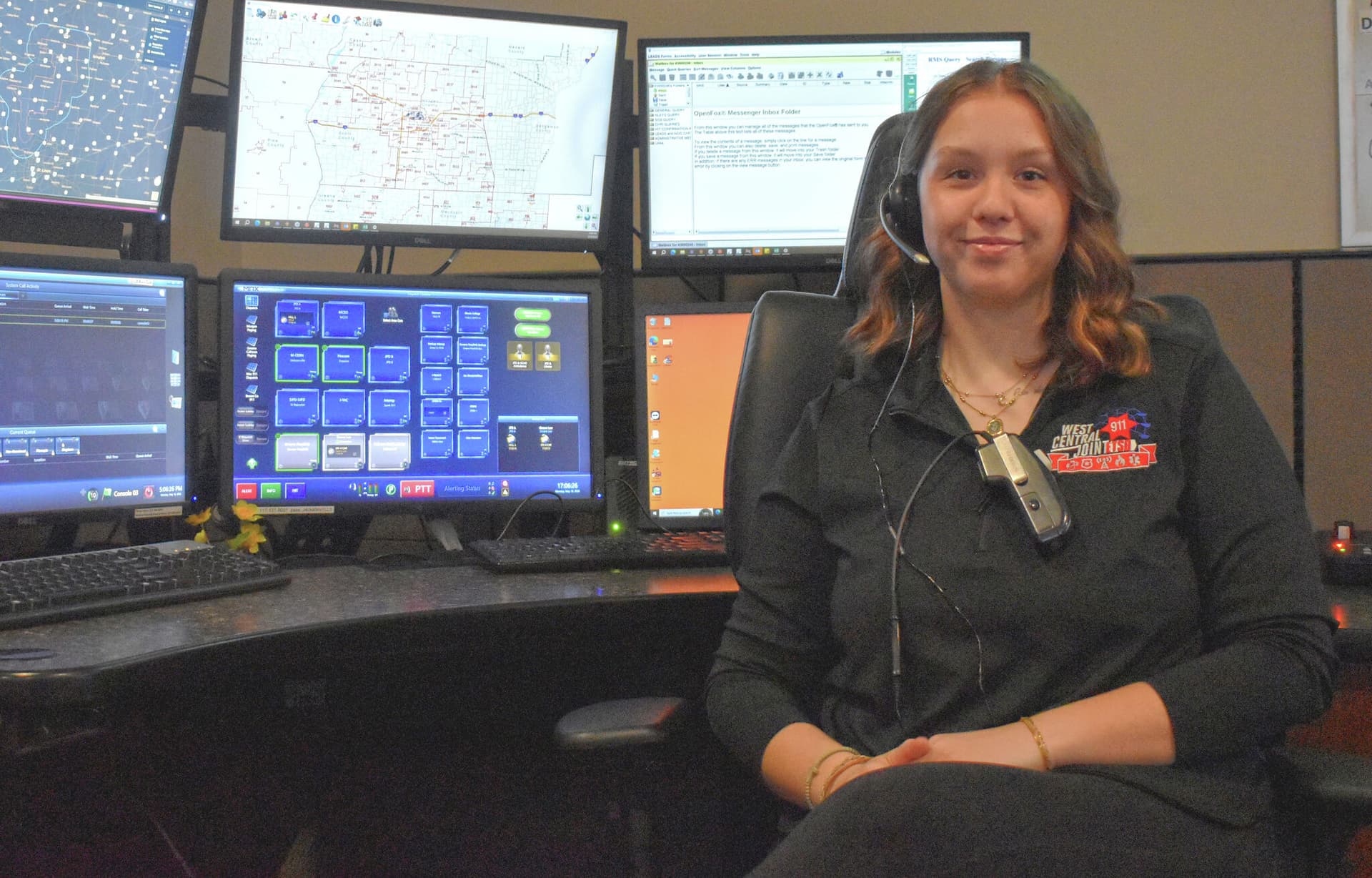
Before a deputy reaches a Jacksonville address or an ambulance is sent across Morgan County, someone in a communications center has already made the first decisions that shape the response. The Journal-Courier’s Behind the Badge series continued June 6 with a profile of telecommunicator Kaitlyn Welch, putting the focus on the people who keep help moving before anyone arrives on scene.
Telecommunicators do more than answer ringing phones. The National Emergency Number Association defines the job as emergency response coordination, receiving, assessing and prioritizing requests for help, determining where the emergency is and identifying whether law enforcement, fire, emergency medical or combined services should respond. In practice, that first conversation can determine whether a call becomes a deputy response, an ambulance dispatch or a larger multi-agency run.
In west-central Illinois, that work stretches across a wide area. The West Central Joint Dispatch Center says it handles 9-1-1 calls for Morgan, Green and Calhoun counties, covering about 1,300 square miles and about 52,000 people. The center says it answers about 16,000 9-1-1 calls a year and relies on 14 telecommunicators to keep radio traffic moving for law enforcement, fire and EMS agencies while also answering non-emergency lines for all of Morgan County.
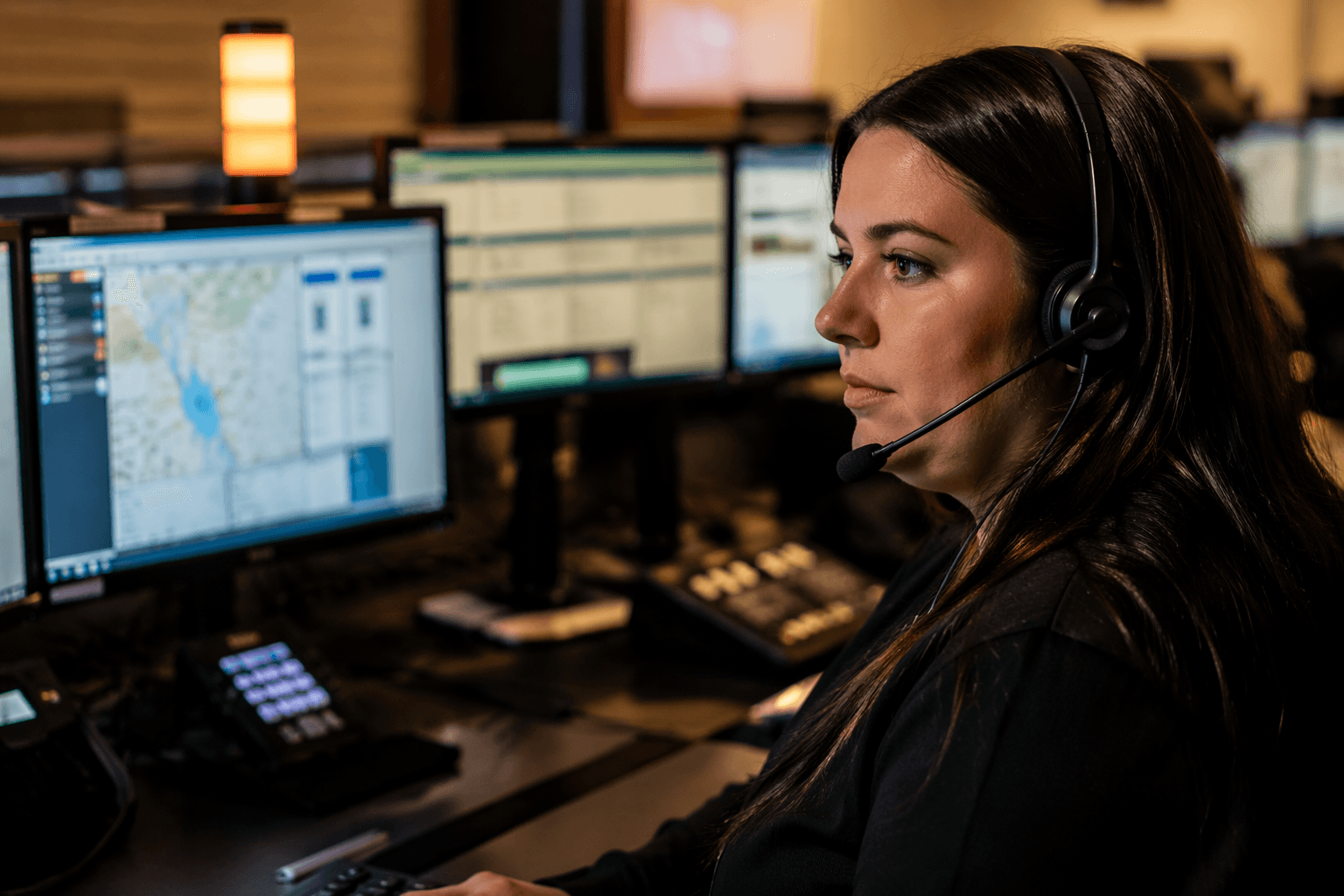
Morgan County 911 says its consolidated center operates with 29 full-time telecommunicator positions, several part-time staff and six administrative staff, including the director. Its annual incoming call volume runs close to 220,000 calls, including about 85,000 incoming 911 and emergency calls. Those numbers show how much of the county’s public-safety workload begins before an officer, firefighter or medic ever leaves the station.
Welch’s profile arrived as National Public Safety Telecommunicators Week was observed April 12 to 18 this year, a reminder that the people in the dispatch chair are part of the emergency-response chain every day of the year. Illinois law now requires telecommunicators who dispatch for emergency medical conditions to be trained in high-quality telecommunicator CPR beginning January 1, 2026, adding another layer of responsibility to a job that already demands accuracy, speed and calm under pressure. Illinois State Police also lists Springfield Communication Center as covering Morgan County within Troop 6, underscoring that local calls are part of a broader statewide system. For Morgan County, the work Welch represents is the invisible start of nearly every emergency response, and it can shape what happens in those first critical minutes.
This article was produced by Prism’s automated news system from verified source data, official records, and press releases, then run through automated quality and moderation checks before publishing. The system is built and supervised by the people who set the standards it runs under. Read our full AI policy.
Know something we missed? Have a correction or additional information?
Submit a Tip