John Beeley’s 4-H roots shape resilience in Morgan County
A barn fire tested John Beeley, but Morgan County’s 4-H network, fairground mentors and family turned loss into the next step in local agriculture.
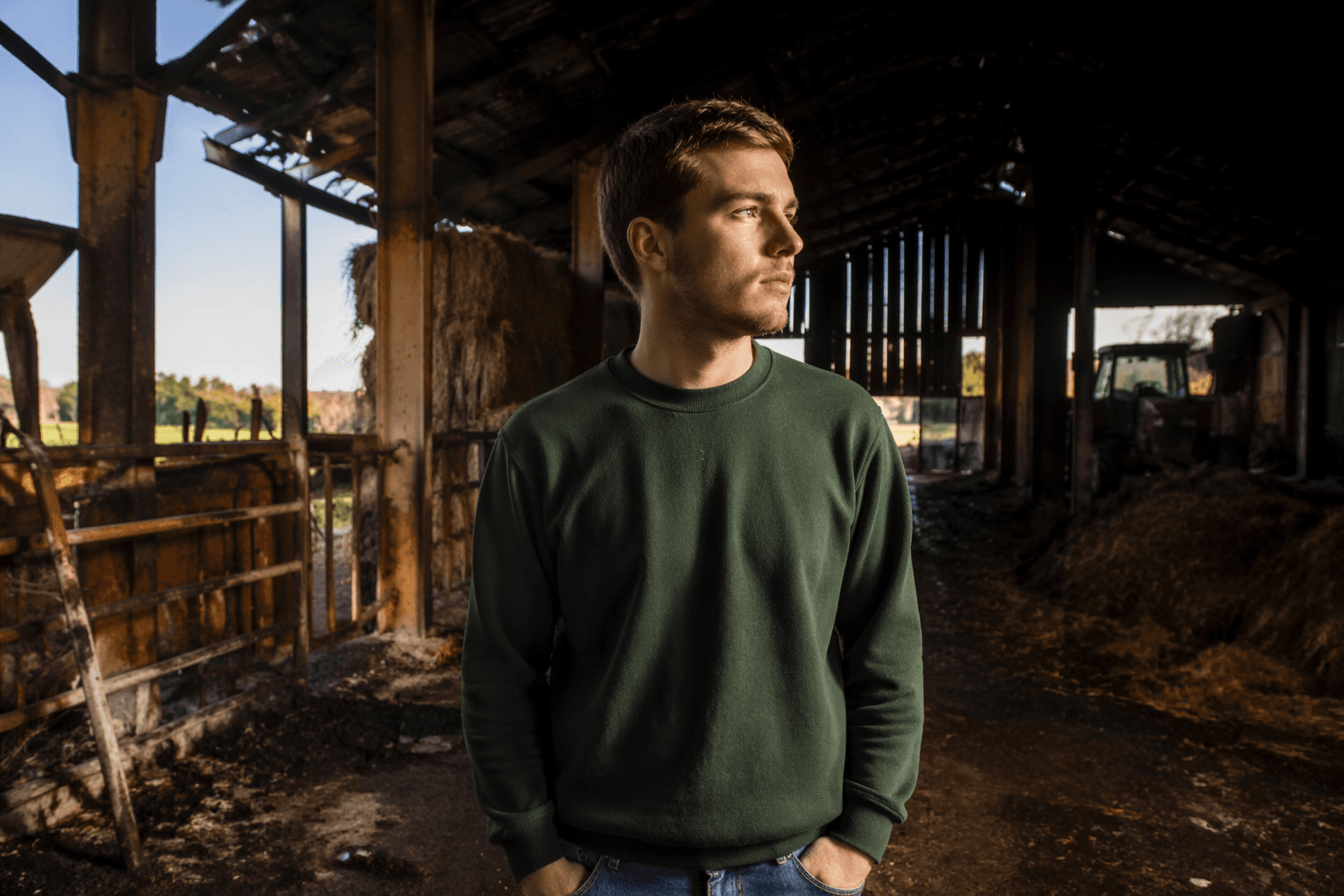
When a barn fire took John Beeley’s barn and the first sheep he ever owned, the loss could have stopped a young exhibitor in his tracks. Instead, it became the clearest example of what Morgan County’s 4-H culture is built to do: teach young people how to keep working, keep learning and keep showing up for their community.
Beeley’s path runs through the fairgrounds, livestock barns and family circles that have long shaped agriculture in Jacksonville and across Morgan County. His story is not just about one student’s grit. It is about the county institutions and adults who turn early responsibility into lasting civic and agricultural leadership.
The lessons that start in the barn
Beeley grew up around livestock, where early mornings and long summer days are part of the routine, not the exception. In that world, raising and showing animals is about more than ribbons. It teaches responsibility, teamwork, purpose and the ability to keep going when work gets hard.
That is why his experience matters beyond one young man’s résumé. Illinois 4-H describes itself as America’s largest positive youth development organization, serving nearly six million young people nationwide and nearly 200,000 in Illinois. Its mission lines up closely with what Beeley learned locally: leadership, communication, teamwork and persistence, skills that reach far beyond the show ring.
The most important part of that lesson is that 4-H is not only for children who come from farms. Illinois Extension says the program is open to youth from all backgrounds and interests, which helps explain why Beeley’s advice to other young people is so practical and inclusive. In Morgan County, 4-H has functioned as a doorway into agriculture, but also as a way into community life for families with different backgrounds and different levels of access to land, animals and equipment.
Mentors who made agriculture feel personal
Beeley’s growth did not happen in isolation. His grandmother, Rosemary Beeley, helped shape his outlook, along with his 4-H leader, Caroline Bartz. The circle widened through cousins Annie Jackson, Mandy Jackson, Lori Jackson and Ginny Jackson, whose own connection to livestock strengthened his interest in the work.
That family and mentor network matters because agriculture in a place like Morgan County is often passed down through relationships as much as through property. A young person learns not only how to handle an animal, but how to handle setbacks, how to show respect for the work and how to remain steady when the outcome is uncertain. Beeley’s story makes clear that those lessons were reinforced by people who were already invested in his future.
The result is a portrait of a young person shaped by more than talent. He was shaped by repetition, encouragement and the example of adults who treated livestock work as something worthy of discipline and pride. That combination is what keeps local agricultural traditions alive from one generation to the next.
Why the Morgan County Fair still matters
The Morgan County Fair is not just a summer event. Its history stretches back to 1851, when the Morgan County Agricultural Society was formed to conduct an annual exposition. That first year included a stock fair at the Poor House grounds in the eastern part of Jacksonville, a reminder that the fair’s roots are tied directly to the county’s agricultural identity.
The fair later became a community project, supported and rebuilt by local businesses, organizations and farm families. Its fairgrounds have changed many times since 1957, but the purpose has remained familiar: give young people and families a place to raise animals, test their work and build public traditions around agriculture. The fair’s livestock program now includes market and breeding exhibitions for six species, beef, goats, poultry, rabbits, sheep and swine.
This year’s Morgan County Fair is set for July 7 to 12, giving Beeley’s story a concrete local stage. For families who have spent summers at the fairgrounds, that week is not only about competition. It is where county memory gets renewed, where skills are displayed in public and where the next generation learns that agriculture in Morgan County is a shared responsibility.
When loss becomes part of the training
The barn fire that destroyed Beeley’s barn and the first sheep he ever owned added another layer to that education. Loss like that tests whether the lessons from 4-H were real or just rhetoric. In Beeley’s case, the answer was support from family and Jacksonville fire services, along with the stubbornness that local agriculture demands.
That matters because farming communities often talk about resilience as if it is abstract. Beeley’s experience shows what it looks like in practice: restoring what can be restored, accepting what cannot and continuing forward anyway. The lesson is not that young people should not be shaken by loss. It is that they need a community structure strong enough to help them absorb it.
From Jacksonville High School to the next step in agriculture
Beeley, a Jacksonville High School graduate, planned to continue his education in agriculture at John Wood Community College. That choice fits the path he has already built. The college says its Agriculture Education Center is built through a unique agreement with the University of Illinois and offers hands-on programs, research connections and internships that connect classroom learning with real agricultural work.
JWCC also emphasizes that agriculture matters because it addresses food needs, and its curriculum highlights livestock and renewable fuels. That broader view of agriculture matches the kind of practical training Beeley has already received through 4-H and local work. It is a reminder that modern agriculture is not only about animals on a fairground. It is also about food systems, energy and the technical knowledge needed to keep both functioning.
Jones Meat & Locker adds another piece to that local infrastructure. The Jacksonville business says it has been family owned and operated since 1943 and processes beef, pork and deer. Together with the fair, 4-H and JWCC, it shows how closely Morgan County’s agricultural life is tied to local businesses that handle the work from the barn to the butcher block.
Beeley’s story resonates because it reflects a larger Morgan County pattern. The county’s fairs, clubs, families, businesses and schools do more than celebrate agriculture. They train the people who will keep it going, and they help young residents turn hard lessons into public service, steady work and a future rooted in the community.
This article was produced by Prism’s automated news system from verified source data, official records, and press releases, then run through automated quality and moderation checks before publishing. The system is built and supervised by the people who set the standards it runs under. Read our full AI policy.
Know something we missed? Have a correction or additional information?
Submit a Tip