Jacksonville Area Museum preserves Morgan County history in former post office
Inside Jacksonville’s old post office, a free museum is turning local memory into a countywide history hub with exhibits, archives, and oral histories.
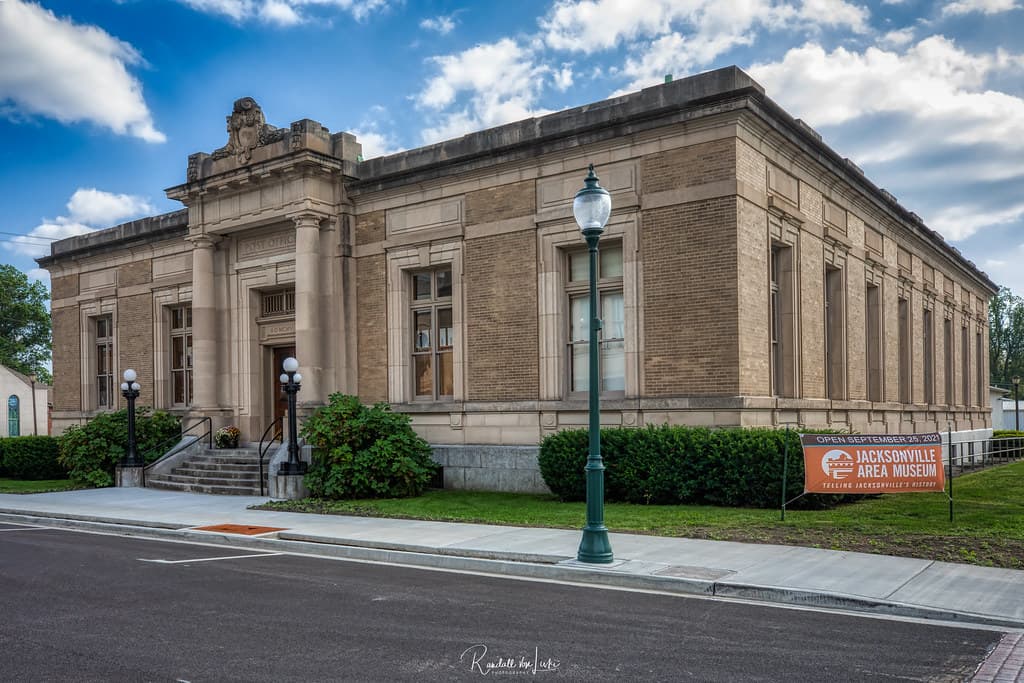
The old Jacksonville post office now serves a new public purpose: it is where Morgan County’s story is being collected, preserved, and put on display. At 301 E. State Street, the Jacksonville Area Museum has turned a federal-style landmark into a year-round history center, giving residents a place to see how the city’s past connects to the county around it.
A familiar building with a second life
The museum’s setting is part of the experience. Housed in the former Jacksonville post office, the building already carries civic memory, and the museum treats that history as part of the exhibit. Its own mission is straightforward and broad: to collect, preserve, interpret, and appreciate the cultural history and heritage of Jacksonville and Morgan County.
That matters because the building is not just holding objects behind glass. It is helping define how the community sees itself. The museum describes the structure as a beautiful federal-style building, and Jacksonville’s tourism material places it among the city’s historical attractions in a landmark that many longtime residents still remember as the old post office. The result is a museum that feels rooted in place before visitors even walk inside.
What you can actually do there
The museum is designed as an active stop, not a static display room. It says visitors will find exhibits, objects, and experiences for all ages, which makes it a practical destination for school groups, families, and anyone trying to understand how Jacksonville developed. Admission is free, and the museum suggests a $5 donation to help keep it operating.
The layout also gives the building a sense of movement. The initial museum space filled the post office lobby and office areas, and the museum says it is expanding into the old mail-handling and sorting area on the southern two-thirds of the building. That means the museum is still growing into the building as it opens more room for archives, education, and offices, while remaining open during construction. Free municipal parking is available directly east of the building, which makes the stop easy to build into a downtown visit.
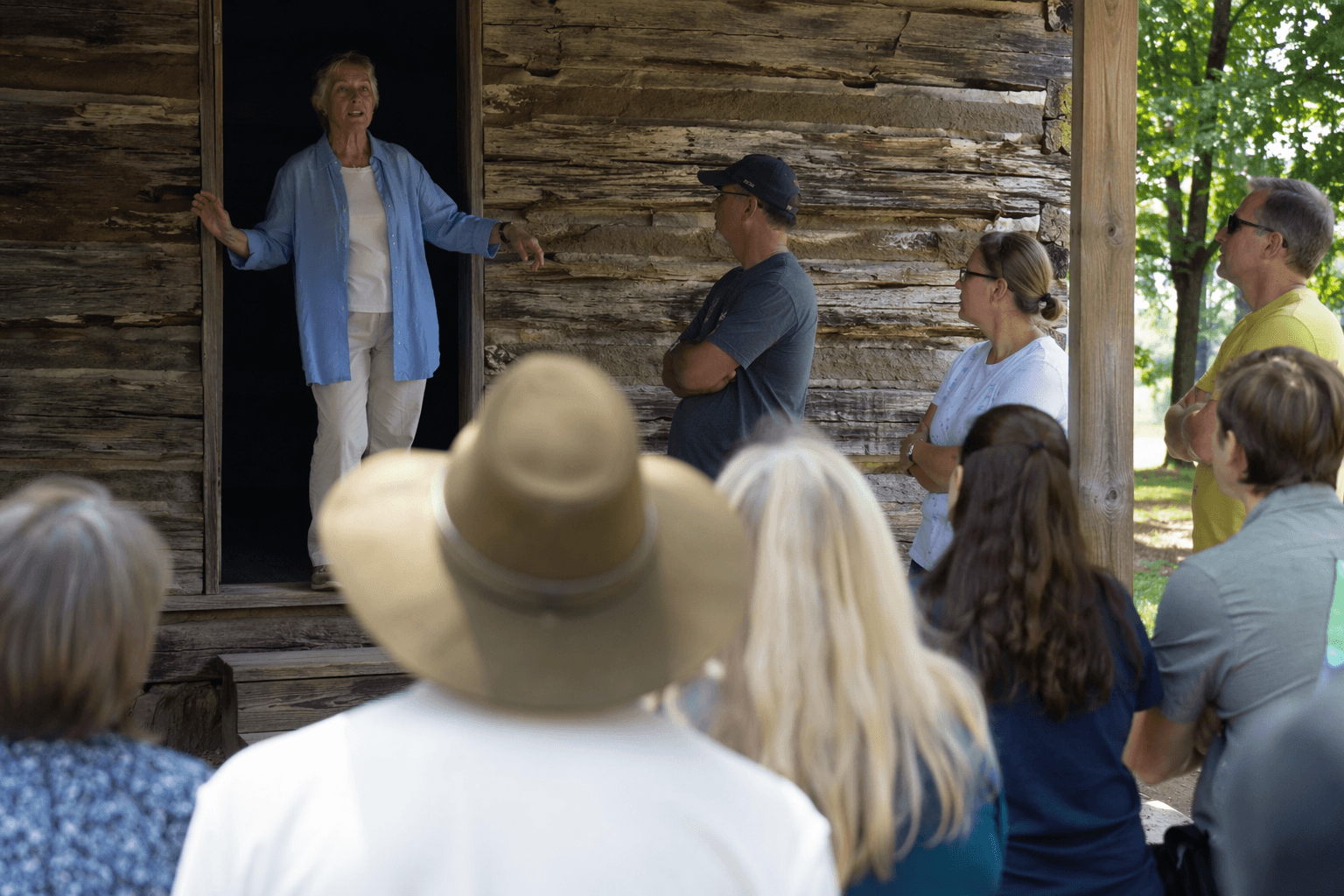
For school visits, the museum’s value is in how many subjects it can cover in one place. Students can move from city history to college history, from state institutions to underground railroad history, without leaving downtown Jacksonville. Families get the same benefit: a single visit can connect a child’s textbook version of the past to names, places, and buildings that still shape the area today.
MacMurray College and the county’s broader memory
One of the museum’s strongest assets is the MacMurray College archive collection, which is on long-term loan from the MacMurray Foundation. The archives and collections from the college’s history are displayed in a space the museum calls “Mac Hall,” creating a dedicated place for one of Jacksonville’s most recognizable educational legacies.
That collection expands the museum’s reach beyond one institution. It lets the museum tell a college-history story alongside the history of the city itself, and that gives Morgan County a fuller picture of how education, civic life, and local identity have intersected over time. The museum also points visitors toward Jacksonville’s role in industry, commerce, and Abraham Lincoln’s connection to the city, tying the archives to a broader local narrative instead of isolating them as a single-school exhibit.
From hospitals to time capsules
The museum’s recent and current exhibits show how wide that narrative can be. Among the subjects highlighted are the Illinois State Hospital, a 1975 time-capsule display, and Journey To Freedom: Illinois’ Underground Railroad. Those exhibits bring together state institutions, memory-keeping, and freedom-seeking networks in west-central Illinois, giving the museum a range that goes well beyond nostalgic display cases.
The Illinois State Hospital, later known as the Jacksonville Developmental Center, opened in 1851. The museum says it was one of the city’s largest employers for more than a century, which explains why its story still carries weight in local memory. The museum also says the facility’s 150th-anniversary time capsule was buried in 1997, and museum staff worked with the City of Jacksonville and the Illinois Department of Central Management Services to retrieve it. That kind of project turns the museum into more than a storage site for artifacts; it becomes a place where institutional history is actively recovered.
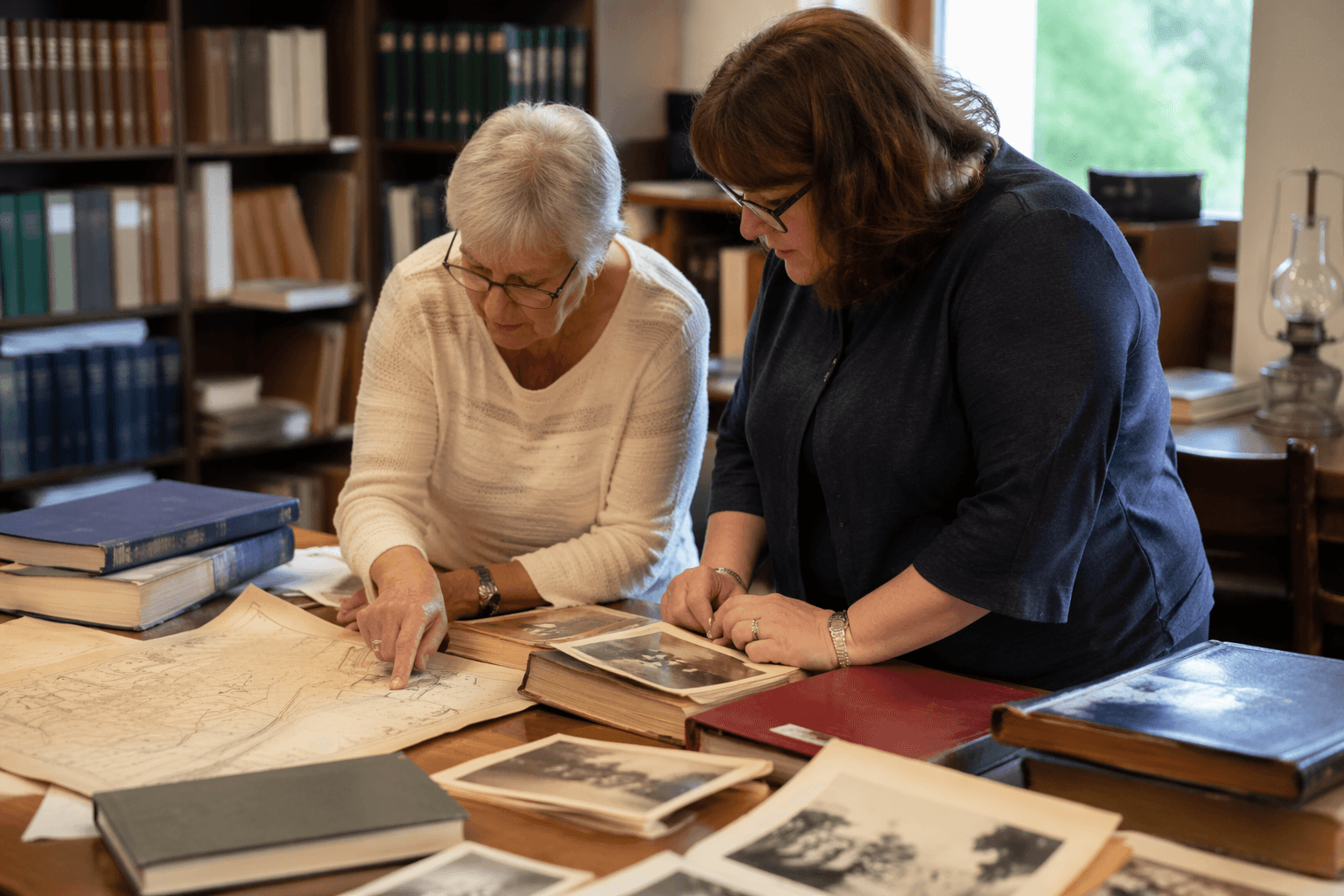
The museum also operates oral histories and podcasts focused on Jacksonville-area history. That matters because some of the best local history is not preserved in buildings or paperwork alone. Oral storytelling captures how residents remember institutions, neighborhoods, employers, and the changing downtown, adding voice to the physical collections.
Why the location carries so much weight
Jacksonville’s own history helps explain why this museum belongs in the old post office. The city’s official history page says Jacksonville was platted in March 1825 by surveyor Johnston Shelton. By the end of its first year, the settlement already had 11 log buildings and a post office around the town square, and by 1834 it had the largest population in Illinois.
That early growth left a deep mark. The Jacksonville Historic District is described as encompassing 696 buildings, a reminder that the city’s preservation story extends far beyond a single site. In that context, the museum’s presence in the old post office works as a kind of anchor: it sits inside a built landscape where historic buildings are part of everyday life, not isolated museum pieces.
The Morgan County Historical Society adds another layer to that preservation story. Founded in 1951, the society says it was gifted the old Jacksonville Post Office by the John Deere Insurance Company and has been renovating it for use as a local-history museum. That long arc shows how the building has moved through different phases of civic use while staying tied to public memory. Today, the Jacksonville Area Museum carries that work forward with a volunteer-run model under the auspices of the City of Jacksonville and with support from the MacMurray Foundation.
A museum still growing into its role
The museum opened in September 2021 and marked its first anniversary on September 25, 2022. That timeline makes the project feel recent and visible, not finished or frozen. Visitors walking in today are seeing a museum that is still building out its space, adding to its collections, and refining how it tells Jacksonville’s story.
That ongoing work is the point. The former post office is now a place where Morgan County can see its history arranged in one setting, from college archives to institutional memory to underground railroad history. In a city already shaped by its buildings, the Jacksonville Area Museum turns preservation into a public use, and the old federal landmark at 301 E. State Street has become a place where the county’s past is still being made legible.
This article was produced by Prism’s automated news system from verified source data, official records, and press releases, then run through automated quality and moderation checks before publishing. The system is built and supervised by the people who set the standards it runs under. Read our full AI policy.
Did this article answer your question?