Jacksonville walking tour spotlights historic homes and park landmarks
Jacksonville’s historic homes route turns preserved blocks, park bandstands and downtown storefronts into an easy foot-traffic generator for Morgan County shops and eateries.
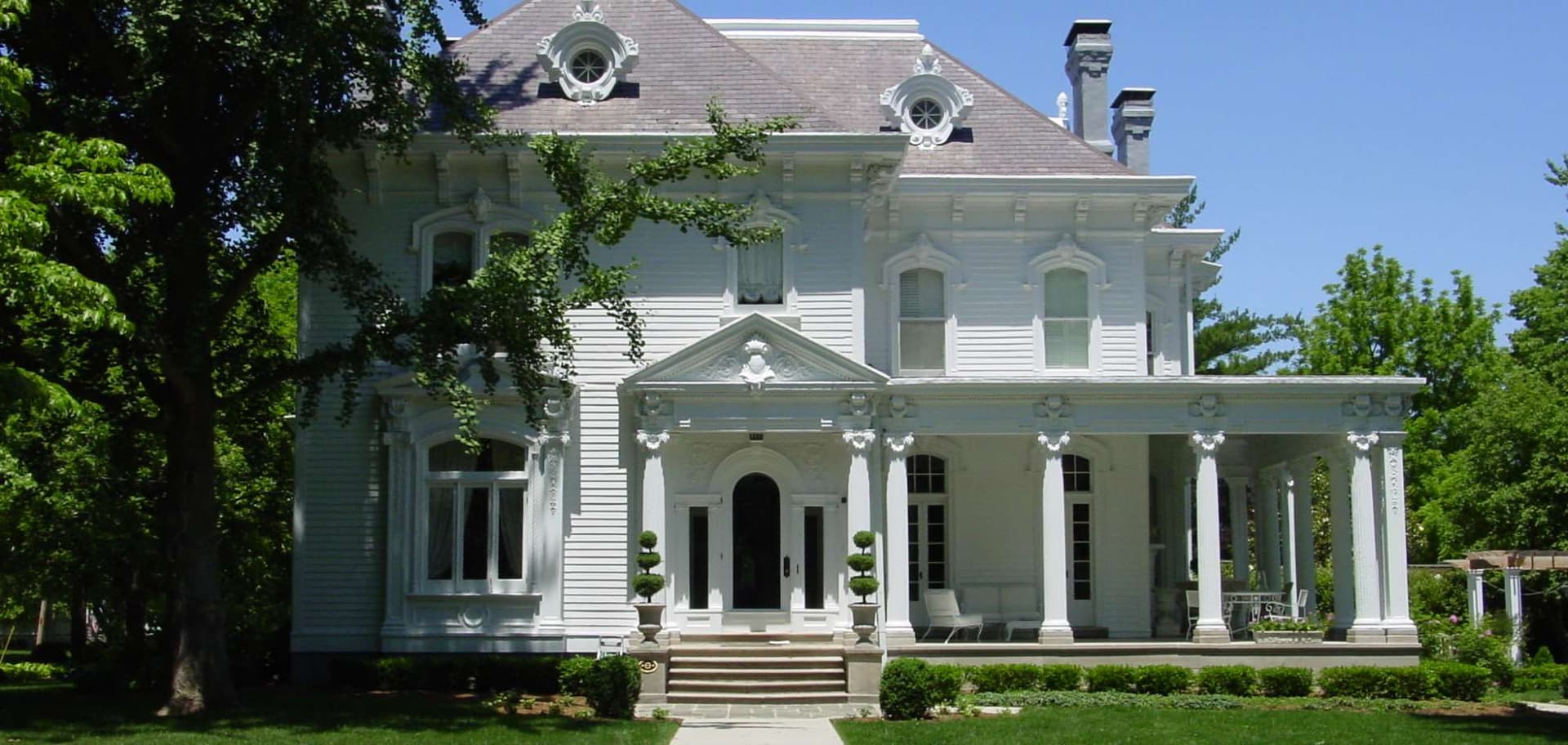
Jacksonville’s historic homes are more than a preservation asset, they are a practical way to move people through downtown without asking them to spend much. A self-guided walk through preserved residential blocks, Community Park and the downtown square gives visitors an inexpensive way to see the city, while steering them past the businesses that benefit from every extra set of footsteps. The appeal is simple: Jacksonville has enough intact architecture to make walking itself the attraction.
What the route shows
Jacksonville’s official history page says the city was established by European Americans on a 160-acre tract in Morgan County in 1825, and the 2025 visitors guide carries that same founding date forward with the shorthand “est. 1825.” That early start still shapes the walkable city visitors encounter now. The guide links Jacksonville to Illinois’ frontier days, Underground Railroad sites and a downtown core where storefronts “have stood over the city for generations,” which is exactly the kind of built environment that rewards a slow pace on foot.
That history is not presented as a single monument or museum stop. The city’s tourism materials keep returning to streetscapes, historic institutions and the way older buildings still define the town center. A 2023 visitors guide repeats the same framing, showing that Jacksonville has been telling this story for years, not just polishing it for one season. For a visitor, that means the route is less about checking boxes than about reading the city block by block.
Historic places beyond the houses
The city’s Historic Places page adds a broader frame with the line “Uncover Local Legends.” That wording matters because Jacksonville’s historic listings are not limited to private homes. The Historic Places category includes both Bandstands in Community Park and Jacksonville Community Park, and a separate listing gives the bandstands their own historic-place entry rather than treating them as ordinary park hardware.
That makes the route more interesting for anyone looking beyond front porches and facades. Community Park shows how Jacksonville treats civic and recreational spaces as part of its preserved fabric, not just its private residences. In practice, that means a walking tour can move from older homes into public green space and still stay inside the same historic story.
The bandstands are especially useful for understanding how Jacksonville’s preservation approach works. They sit in a public park, but the city’s archive treats them as part of the built environment worth documenting and protecting. For walkers, that widens the route from “historic houses” to a larger map of what the city decided to keep.
Where the walking meets spending
The strongest economic case for the tour comes from the way Jacksonville’s tourism and merchant pages connect heritage to commerce. Jacksonville Main Street’s visit page, the city’s downtown shopping and dining promotions and the convention and visitors bureau’s visitor guides all point to the same downtown mix: local businesses, restaurants and a compact core that works best when people linger. The result is a historic route that can feed a modern spending pattern.
Downtown Jacksonville is the obvious place for a coffee stop, lunch or a quick purchase after the walk. The city’s retail and dining listings show that the core is not just decorative, it is active commercial ground. One concrete example is X’s and O’s Donuts and Bakery at 218 W Morton Ave, which fits the kind of small-business stop a walking visitor can make between historic blocks and park landmarks. Jacksonville’s broader shopping and dining pages also emphasize an eclectic mix of shops, stores, restaurants and lodging, reinforcing that the heritage draw is meant to spill into the local economy.
That is the practical advantage of a self-guided route. Walking costs little, but it creates time in the places that businesses depend on most, especially downtown. A visitor who comes for the architecture can easily add a bakery stop, a meal or a retail purchase without ever leaving the historic district.
How preservation gives the tour scale
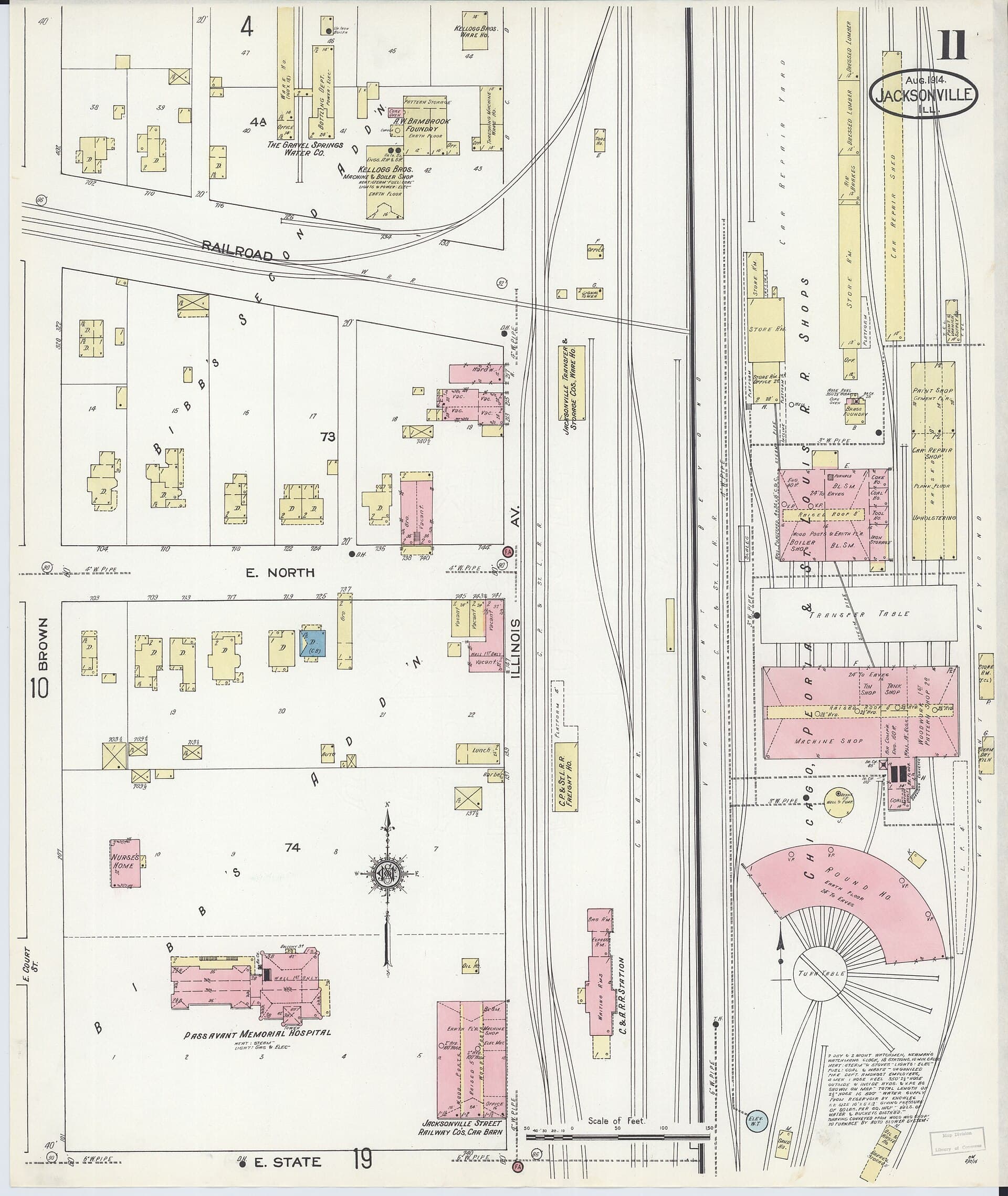
The Jacksonville Historic District materials show why this kind of route works here in a way it could not in a smaller town with only a few scattered landmarks. The district contains 771 principal buildings, and 713 of them are residential. That is a large enough stock of historic fabric to support a real walking itinerary, not just a one-off stop at a single house.
The city also has an active preservation structure. Jacksonville’s Historic Preservation Commission page includes meeting records, with a 2024 meetings page visible on the site. That is a sign that preservation is not just marketing language. It is managed through an ongoing civic process, which helps explain why the city can point to houses, park landmarks and downtown streets as part of the same heritage system.
The official history page and the preservation commission together give the route more than nostalgia. They show a town that has organized around its older buildings and public spaces enough to keep records, maintain a district and fold those landmarks into tourism messaging.
How to use the tour
Because the route is self-guided, you can move at your own pace. The time it takes will depend on how long you spend looking at the houses, the streetscape and the Community Park bandstands, and whether you add a stop for coffee, lunch or shopping downtown. For a more structured version, Jacksonville’s walking-tour flyer says guided tours are offered in season, with information available at 310 East State Street and by phone at 217-243-5678.
That flexibility is part of the appeal. Jacksonville gives Morgan County a low-cost heritage route that is easy to pair with errands, meals or a downtown visit, and the city’s own materials make clear that preservation, tourism and Main Street commerce are meant to work together. For a community with 771 principal buildings in its historic district and a downtown square built around generations-old storefronts, the walk is not just a history lesson. It is a way to turn old places into steady activity for the businesses around them.
This article was produced by Prism’s automated news system from verified source data, official records, and press releases, then run through automated quality and moderation checks before publishing. The system is built and supervised by the people who set the standards it runs under. Read our full AI policy.
Did this article answer your question?