Morgan County parks system expands access with trails, heritage sites
Morgan County’s trail network pairs ADA access with historic preservation, while a county master plan and trail extension project point to more linkage ahead.
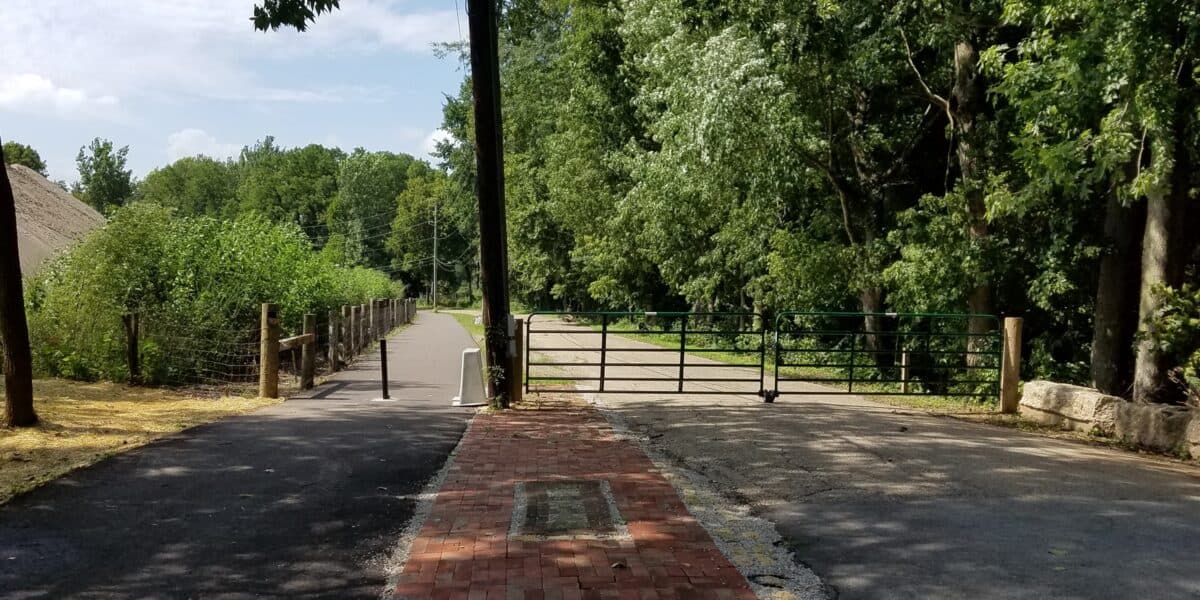
Morgan County’s parks system is built less like a single destination and more like public infrastructure. The county’s trail pages, historic sites and planning documents show a network that serves walkers, cyclists, families, seniors and people with disabilities, while also preserving a piece of local history at the Old Wilbur Schoolhouse.
Trails that function like county access corridors
The clearest example is the White River Greenway Trail, which Morgan County Parks describes as an ADA trail and a trailhead asset. A 2022 Reporter-Times article said the path stretches 2 miles and gives visitors views of fields and forests, along with picnic areas and fishing spots. That mix matters because it makes the trail useful for everyday use, not just a one-time outing: it supports short walks, bike rides and low-cost recreation that can fit into ordinary schedules.
Landersdale Trail adds another piece to the county network. Morgan County Parks describes it as a solid-surface trail along Landersdale Road in Mooresville, with a trailhead and parking area. The solid surface and parking access make it easier to use for a wider range of visitors, including people who need a stable route and a direct place to begin the trip.
Taken together, the two trails show how the county has been building outdoor access around usability as much as scenery. In a county where recreation often centers on lakes and fishing, these routes create a different kind of amenity: one that can be used repeatedly, across seasons, and without a major cost barrier.
Where access is strong, and where the system still has limits
Morgan County Parks’ posted rules make the county’s access policy explicit. Motorized vehicles are generally prohibited on trails and outside designated parking areas, but the rules carve out an exception for people with disabilities as defined by the Americans with Disabilities Act, who may use specialized motorized equipment. That detail turns accessibility from a marketing claim into a rule set with practical effect.
The White River Greenway Trail’s ADA designation is the strongest sign that the system is being designed for broader public use. At the same time, the county’s rules also show the limits of trail access: a motorized device that is not covered by the ADA exception would not be allowed, and access depends on the specific design of each trail rather than a blanket countywide standard. For residents who need stable surfaces, parking near the trailhead, and predictable routes, the county’s best access points are the ones already built around those features.
The broader question for Morgan County is not whether access exists, but where it is still uneven. The trail network named by the county is still concentrated in specific corridors, and the county’s own planning documents point to the need for linkage rather than a fully connected countywide grid. That leaves room for expansion decisions that will affect how easily residents in different parts of Morgan County can reach the system.
A historic site that widens the parks mission
Morgan County Parks is also using the system to preserve local heritage. The Old Wilbur Schoolhouse, labeled c. 1876 on the county site, was built in 1876, has been on the historic registry since 1993, and was acquired by the Morgan County Parks Department in 2019. The county says the building has since been restored and is now available for rentals, parties and programs.
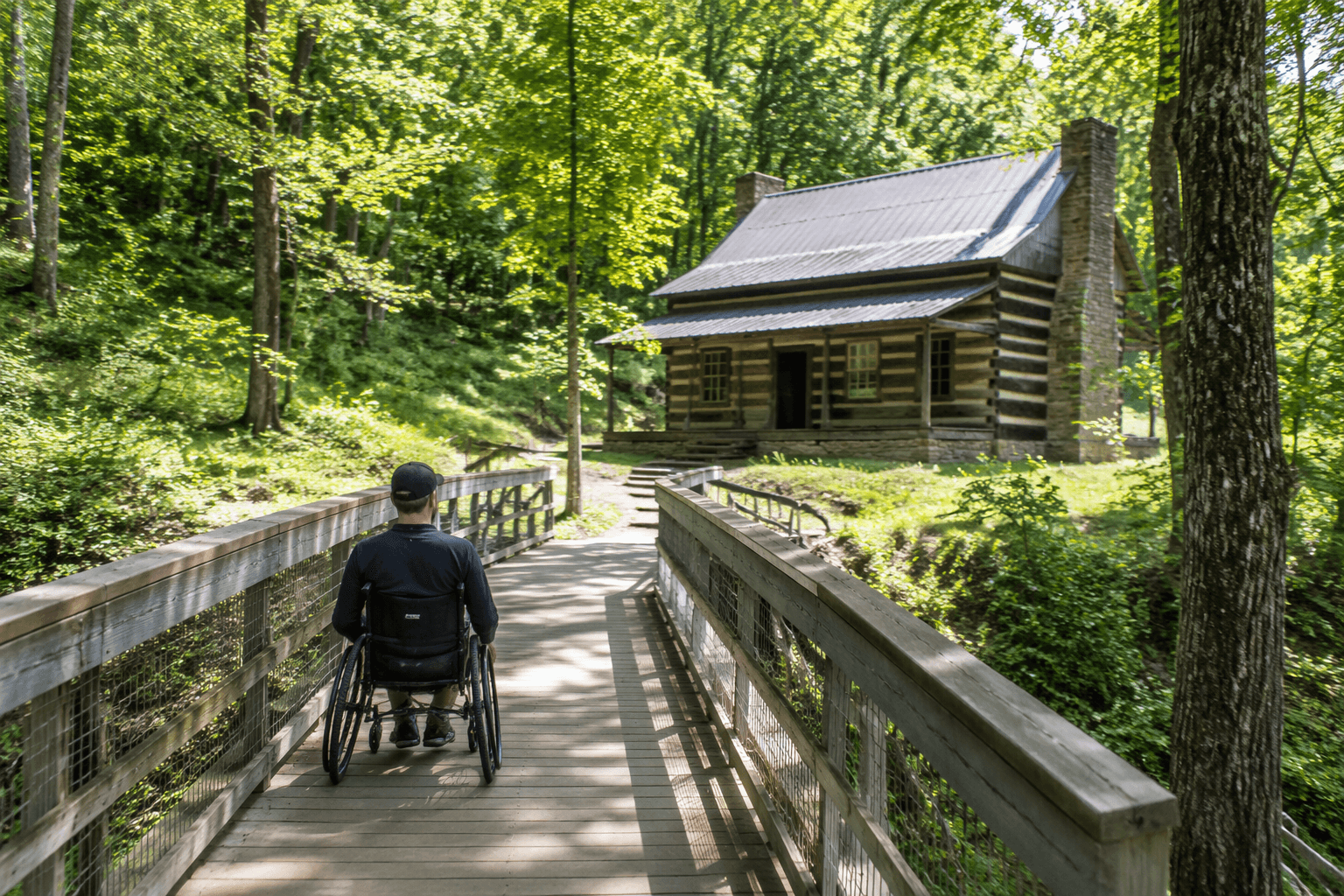
That combination of preservation and public use gives the site a different civic role than a trail or picnic area. It keeps a historic structure in county hands, but it also turns the building into a community asset that can host events and educational programming. The Morgan County Historic Preservation Division maintains a Morgan County recordation page for historic sites, which helps place the schoolhouse within the county’s formal preservation framework rather than as a standalone attraction.
For families, school groups and residents interested in local history, the schoolhouse makes the parks system more than a recreation department. It becomes a steward of place, linking outdoor access with the county’s memory of where it came from.
Planning, governance and the next round of decisions
The Morgan County Parks and Recreation Five-Year Master Plan, labeled 2015-2019, shows that the parks system has been managed through a formal civic process rather than ad hoc decisions. The plan named Joe Tutterrow as president, Gary Swaim as vice president, Greg Howard as secretary, and Craig Fenneman, Emma Alkire, Tammy Payton and others as board members. It also said board appointments came from the county council, circuit judge, recorder and county extension.
That structure matters because it ties recreation policy to multiple public institutions, not just one department. County council, circuit judge, recorder and extension appointments create a board that reflects government, civic and community inputs, which is one reason the parks system can be read as infrastructure policy rather than leisure management alone.
The planning horizon also extends beyond the county line. Indiana READI lists a White River Greenway Trail Master Plan project aimed at extending the trail network and linking trails in central and southern Indiana. The project description points to long-term planning for the full development of the trail along the White River in Morgan County, which suggests the county’s trail assets are being considered as part of a larger regional corridor.
That regional angle is where the next decisions will matter most. Extending the greenway would not only add recreation space, it would determine which towns and neighborhoods can realistically connect to the system without a car. For seniors, families with young children and people with disabilities, those choices shape whether county investment is concentrated in a few well-served locations or spread into a more usable network.
How to think about Morgan County parks now
The county’s parks pages also include a donation link through Community Foundation of Morgan County online funds, which gives residents a direct way to support the system’s growth and upkeep. That funding channel is one more sign that the parks network is treated as a shared public asset, one that depends on both county planning and community investment.
What stands out most in Morgan County is the way the system blends access and identity. The White River Greenway Trail and Landersdale Trail give residents practical routes for movement, the Old Wilbur Schoolhouse preserves a durable piece of the county’s past, and the master plan and READI project show that expansion is still part of the conversation. The result is a parks system that touches daily life in a countywide way, from trail access and ADA use to heritage programming and future connectivity.
This article was produced by Prism’s automated news system from verified source data, official records, and press releases, then run through automated quality and moderation checks before publishing. The system is built and supervised by the people who set the standards it runs under. Read our full AI policy.
Did this article answer your question?