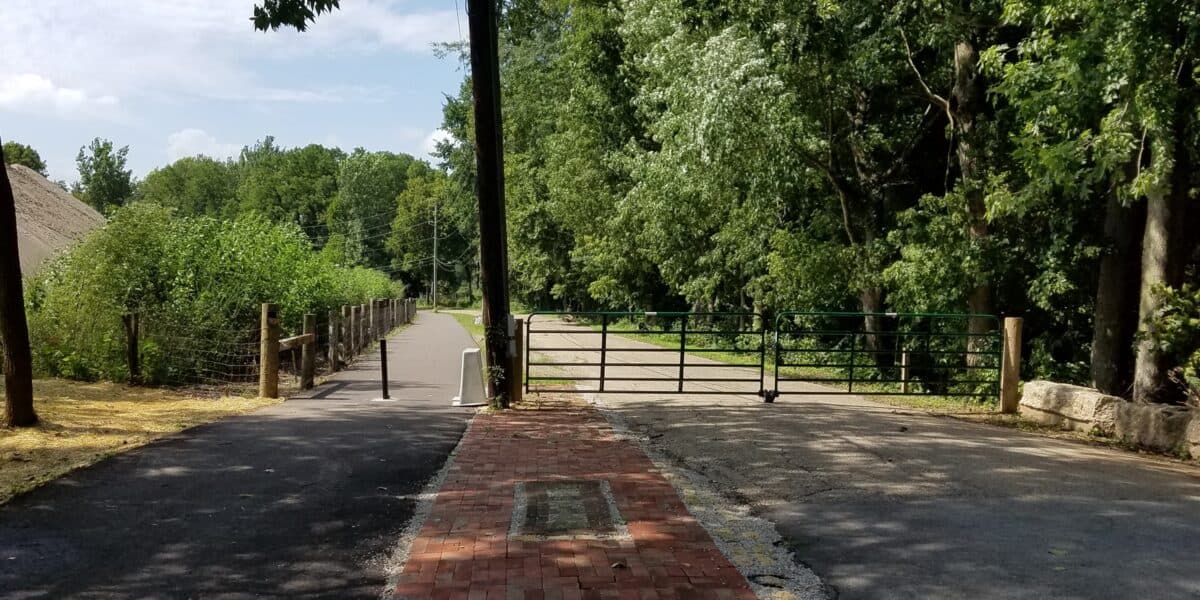
Lake Jacksonville offers fishing, camping and trails in Morgan County
Lake Jacksonville gives Morgan County a 476-acre public waterway for fishing, camping, swimming and trail access, with rules that help protect the fishery.
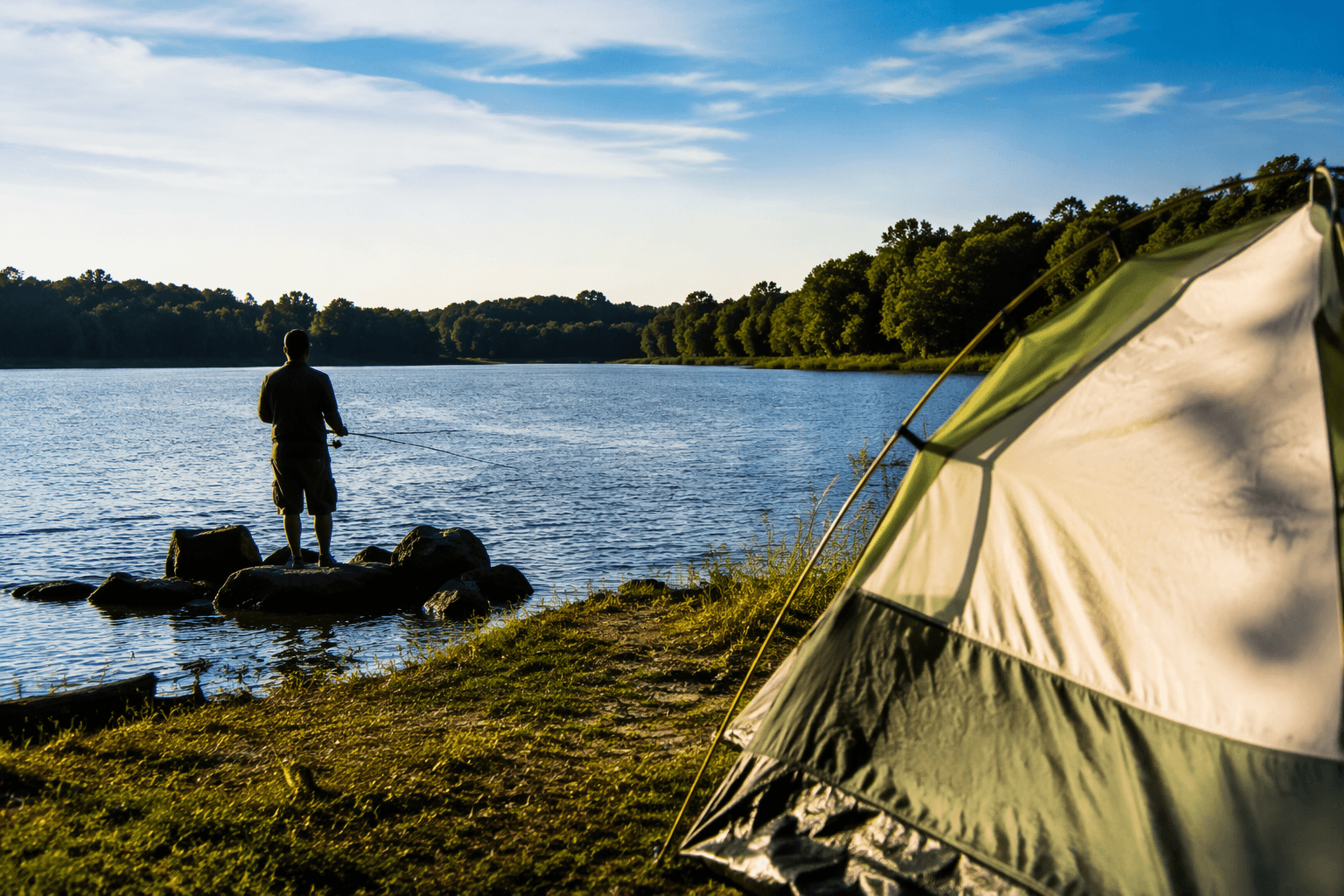
Lake Jacksonville functions as one of Morgan County’s main outdoor assets because it is built for more than one kind of visit. The city’s brochure describes it as a place for “Fishing, Boating, Camping, & Family Fun!”, and the site’s trail connection ties it to a broader local recreation network rather than a single-use park. For households trying to stay close to home, that matters because one address at 2251 New Lake Road can cover a quick fishing trip, a family day out, or an overnight stay.
A county recreation hub close to home
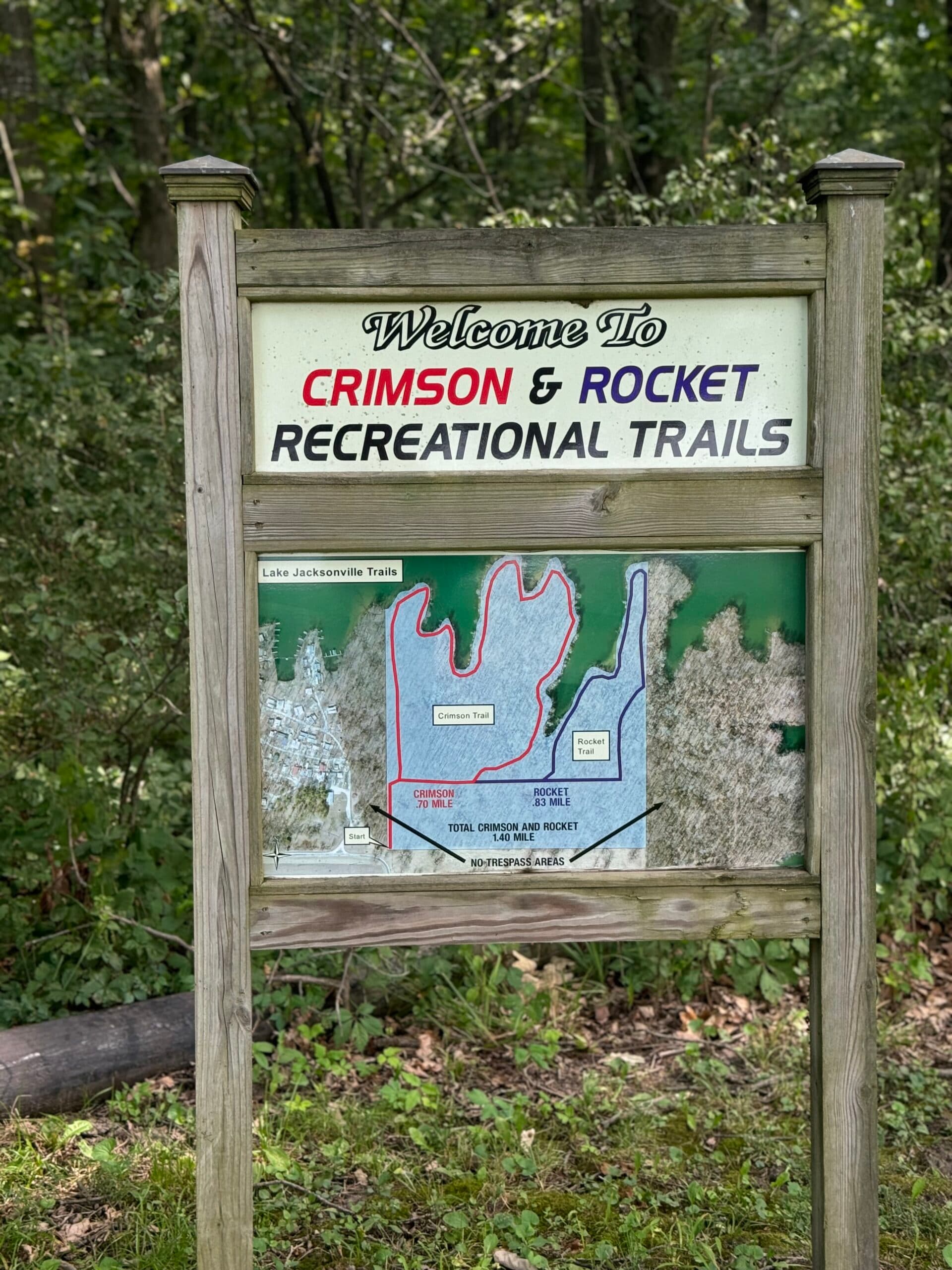
The lake’s value comes from its range of uses, not just its scenery. The Jacksonville tourism listing places Lake Jacksonville alongside camping and the Crimson & Rocket Recreational Trails, which is a strong sign that the lake works as part of the city’s outdoor system. In practical terms, that means walkers, cyclists, anglers and campers can all use the same public destination without having to drive across the county for each activity.
The official lake brochure also names Lake Superintendent Brett Gilbreth and gives a direct contact number, 217-408-8771, along with bgilbreth@jacksonvilleil.com. That makes the lake feel less like a distant attraction and more like a managed public facility, with a staff point of contact behind the shoreline, ramps and grounds. For residents who depend on local outdoor space, that kind of administration is part of what keeps the lake usable.
Fishing access and the rules that shape it
Lake Jacksonville is set up as a working fishery, not just open water. iFish Illinois lists boat fishing as unrestricted and says boat ramps are available, which gives anglers practical access without a complicated launch system. The same listing includes camping, picnicking, skiing and swimming, showing that fishing shares the water with several other forms of public use.
The fish regulations in the city brochure show how the lake is managed to balance access with conservation. Largemouth bass have a 14- to 18-inch protected slot and a daily limit of 3, black and white crappie have a daily limit of 25 with no more than 10 fish at or above 10 inches, hybrid striped bass, or wiper, have a 17-inch minimum length limit and a daily limit of 3, and channel catfish have a daily limit of 6. Those limits matter because they shape the size and number of fish leaving the lake, which helps preserve the fishery for the next round of anglers.
Zebra mussels are also listed as present at Lake Jacksonville. That detail is important because it shows the lake is dealing with invasive-species pressure, which is part of what modern water management now has to handle alongside access and recreation. A public lake can only keep serving boaters, anglers and campers if the resource itself is protected.
Camping, swimming and trail use widen the lake’s reach
Lake Jacksonville’s appeal goes beyond fishing because its allowed uses make it a flexible day-trip destination. iFish Illinois lists camping, picnicking, skiing and swimming, and the city brochure’s family-oriented wording reinforces that the site is built for broad public use. That mix gives Morgan County residents a place where one outing can become a longer stay without needing to leave the area.
The trail connection adds another layer. By appearing in the same tourism system as the Crimson & Rocket Recreational Trails, the lake becomes part of a larger circuit that can stretch a short visit into a fuller afternoon or weekend. That is the kind of public infrastructure that can relieve pressure on families who want affordable outdoor time without the cost and travel burden of leaving town.
The lake’s size also helps explain why it can support so many uses at once. iFish Illinois lists Lake Jacksonville in Morgan County at 476 acres, while another sports facility listing rounds it to 500 acres. The difference is small in practice, but both figures point to a sizeable water body that can absorb multiple activity types at the same time.
How the lake became a public asset
Lake Jacksonville did not begin as a recreation project. The Lake Jacksonville Association says the City of Jacksonville began blocking Gum Creek in February 1956, and Buckner Dam was completed in August 1957. The same source says the lake was originally intended as a water supply for the city, which explains why the site belongs in the same conversation as other municipal infrastructure.
Its leisure role came later. The association says lease lots were selling for $200 to weekend users in the lake’s early years, a reminder that the shoreline quickly developed a second identity as a place for time off, not just a utility project. That shift from water supply to recreation helps explain why Lake Jacksonville still matters to local quality of life.
That civic role also fits Jacksonville’s broader economic picture. The Jacksonville Regional Economic Development Corporation treats parks and recreation as part of the city’s economic base, and Lake Jacksonville gives that idea a physical anchor in Morgan County. It supports local use first, but it also helps Jacksonville compete as an outdoors-friendly place where public assets do real work for residents and visitors alike.
This article was produced by Prism’s automated news system from verified source data, official records, and press releases, then run through automated quality and moderation checks before publishing. The system is built and supervised by the people who set the standards it runs under. Read our full AI policy.
Did this article answer your question?