Jacksonville’s Big Eli Wheel links Morgan County to Ferris wheel history
Families still ride Big Eli each summer in Community Park, where a 1907 wheel keeps Jacksonville tied to the birth of the modern Ferris wheel and its own civic story.
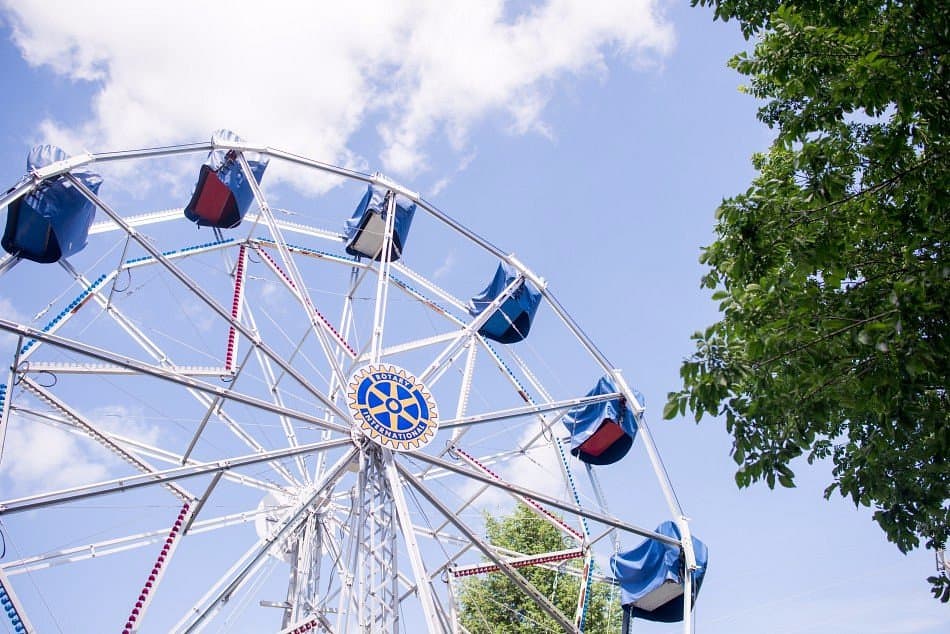
The Big Eli Wheel is not locked behind glass in Jacksonville. Families still climb into its cars in Community Park, where the ride runs every summer and Sunday rides are free from 4 p.m. to 6 p.m. That makes it more than a landmark from the past: it is a working piece of Morgan County life, carrying the city’s name into the present while connecting Jacksonville to the earliest era of the Ferris wheel.
From Chicago inspiration to a Jacksonville invention
The story begins in Chicago at the 1893 World’s Columbian Exposition, where W.E. Sullivan, owner of the Eli Bridge Company, saw George Washington Gale Ferris Jr.’s original wheel and decided to build a portable version of his own. Sullivan worked with machinist James H. Clements to begin construction of the first Big Eli wheel, turning a fairground spectacle into something smaller towns could move, install, and run without a permanent amusement park. Eli Bridge Company later says Sullivan incorporated the company in 1906 to mass-produce the ride, which helped transform the concept from a local experiment into a national amusement product.
Jacksonville’s first Big Eli wheel debuted in Central Park on May 23, 1900. That date matters because it places Morgan County directly in the early history of the modern carnival midways that spread across the country in the early 20th century. The wheel was not an imitation installed decades later to evoke a bygone era; it was part of the invention itself, born in Jacksonville and made to travel.
Big Eli No. 17 and the wheel that survived long enough to matter
The wheel that stands in Jacksonville today is Big Eli No. 17, built in 1907. It was brought back to Jacksonville in the 1950s, and the Rotary Club of Jacksonville has owned and operated it ever since. That continuity is what gives the ride its unusual force: the same civic organization that stewarded it after its return kept it active long enough for later generations to inherit it as something usable, not just something to read about.
The wheel’s public history is visible in the record of local recognition. It was donated to the city of Jacksonville, Illinois, in 1986 and received its historical marker in 1989. Those milestones mark a shift from private amusement hardware to protected civic asset, and they show how the community chose to frame the wheel, not as scrap from an old midway, but as a defining part of Jacksonville’s identity in Morgan County.
How the ride works as a public attraction today
The clearest sign that Big Eli is still alive is simple: people can ride it. The Rotary Club says the wheel runs every summer in Community Park, and the Jacksonville Area Convention & Visitors Bureau promotes Sunday rides from 4 p.m. to 6 p.m. as free. The club says that free admission is made possible through sponsorship from local businesses and groups, which turns a historic ride into a shared community project rather than a ticketed curiosity.
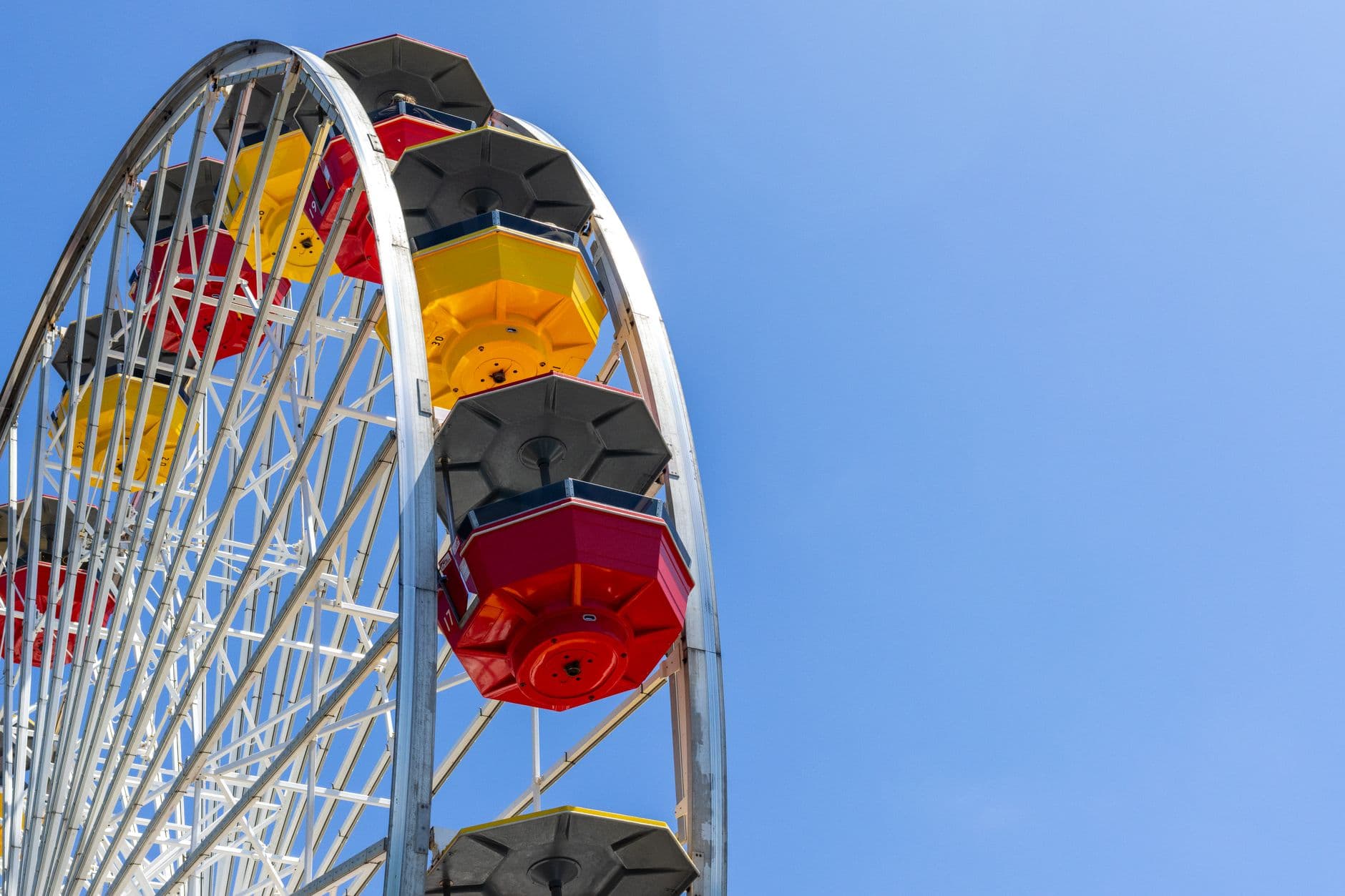
That structure matters for anyone planning a visit. Community Park is the destination, Sundays are the regular window, and the ride is free during that public schedule. Enjoy Illinois and the city’s Jacksonville.org site also list the attraction as part of Jacksonville’s tourism offerings, which puts it alongside the city’s broader pitch to visitors instead of isolating it as a niche relic. For families, that means the wheel is not a once-a-year special event. It is a standing part of summer in Jacksonville.
Why Morgan County keeps riding instead of merely remembering
Portable Ferris wheels changed amusement culture by letting carnival-style rides travel to towns that did not have permanent fairgrounds. Big Eli is one of the clearest surviving examples of that shift, and Jacksonville’s version keeps the idea legible in real time. The wheel still functions as a ride, which is the key difference between usable history and static nostalgia: it does the same job it was built to do.
That living function also strengthens Jacksonville’s civic brand. A community that can point to a ride born from the 1893 exposition, first installed in 1900, and still operating in a city park more than a century later has a story that is both local and national. The fact that the wheel remains part of regular summer recreation gives Morgan County a distinctive attraction that is easy to explain to visitors and even easier for residents to claim as their own.
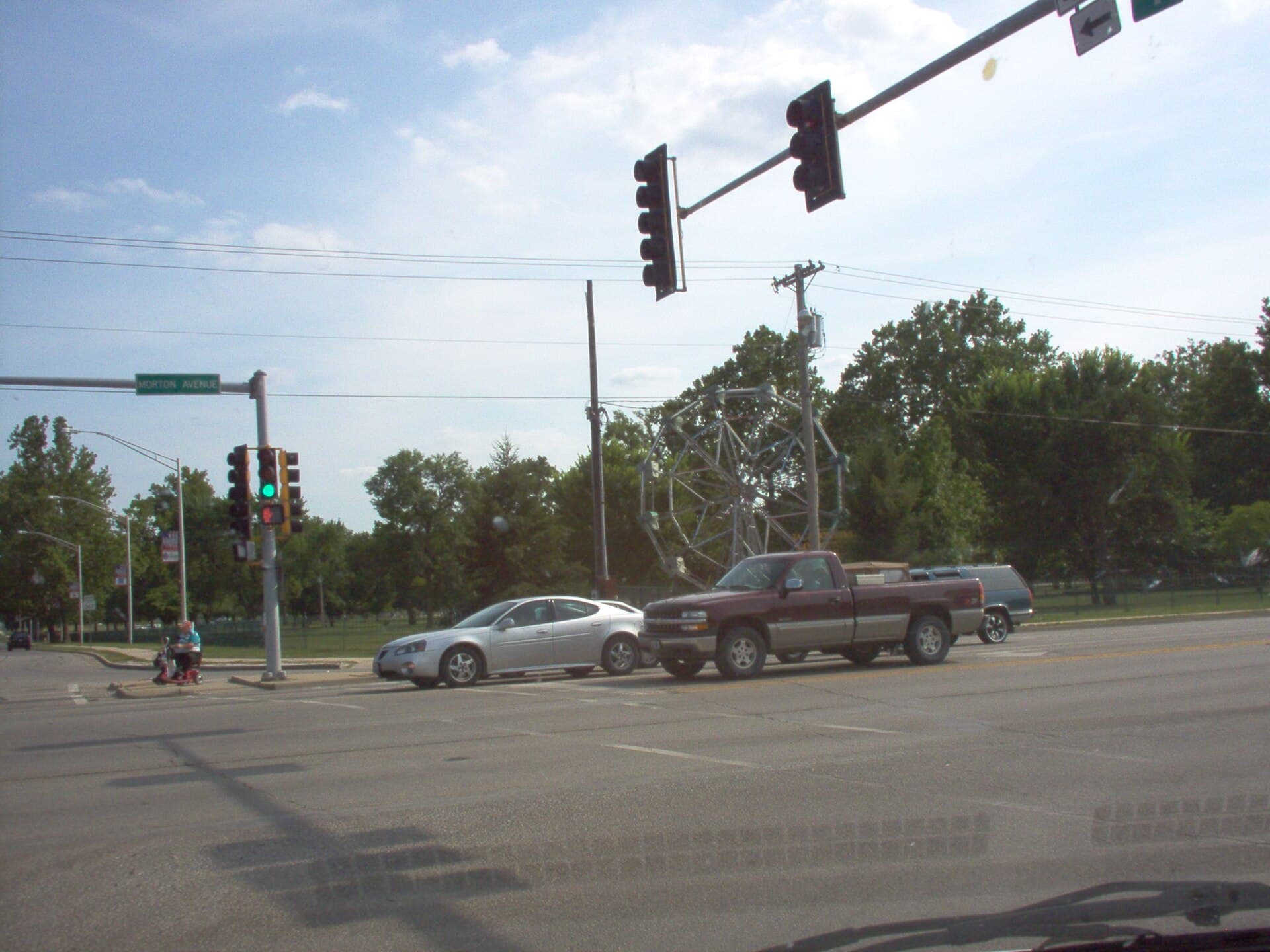
What to know before you go
- The ride is in Community Park in Jacksonville, Illinois.
- The regular public schedule is Sundays from 4 p.m. to 6 p.m.
- Admission during that schedule is free.
- The Rotary Club of Jacksonville operates the wheel and says sponsorships from local businesses and groups help cover the free rides.
- The wheel is Big Eli No. 17, built in 1907, with a lineage that reaches back to the first Jacksonville wheel in 1900.
That combination of place, schedule, and history is what keeps Big Eli relevant. In a county that values its landmarks, this one still moves, still carries riders, and still tells the story of how Jacksonville helped shape Ferris wheel history.
This article was produced by Prism’s automated news system from verified source data, official records, and press releases, then run through automated quality and moderation checks before publishing. The system is built and supervised by the people who set the standards it runs under. Read our full AI policy.
Did this article answer your question?