13-Year Genetic Study Shows Bristol Bay Belugas Mate Widely, Maintain Diversity
A 13-year genetic study found Bristol Bay belugas mate with many partners, maintaining genetic diversity and offering cautious hope for subsistence stocks while underscoring the need for ongoing monitoring.

A 13-year genetic and observational study of Bristol Bay beluga whales found that mating is broadly distributed across males and females, a pattern that helps the population retain genetic diversity despite a modest census size. That finding matters to North Slope Borough residents because it affects subsistence resource planning, co-management decisions, and the long-term resilience of a species people depend on culturally and nutritionally.
Researchers analyzed genetic profiles from 623 distinct beluga individuals gathered from about 800 genotyped samples, and used 523 high-quality profiles for parentage and relatedness analyses. The team combined molecular work at multiple microsatellite loci with long-term field observations of age and social groupings to test competing ideas about mating systems and reproductive success. The evidence indicated a polygynandrous mating system - both males and females mate with multiple partners across years - rather than strong polygyny where a few dominant males father most calves.
Genetic patterns showed many half-sibling relationships and relatively few full siblings, pointing to distributed reproductive success. Female mate switching between breeding seasons appeared common, a behavior that likely reduces inbreeding risk and helps maintain diversity in a population with a census estimate near 2,000 whales. Short-term measures of reproductive output tended to be higher among older individuals, consistent with long reproductive lifespans shaping mating dynamics. At the same time, estimates of effective population size (N_e) were substantially smaller than census size (N_c), signaling that genetic drift and inbreeding remain real risks even when behavior provides some buffering.
Collaborators on the study included Florida Atlantic University Harbor Branch, the Alaska Department of Fish and Game, and the North Slope Borough Department of Wildlife Management, reflecting local scientific partnerships and Indigenous co-management contributions to marine mammal research. Those working in the Borough’s communities can use these results to inform harvest planning, monitoring priorities, and conversations about habitat protections.
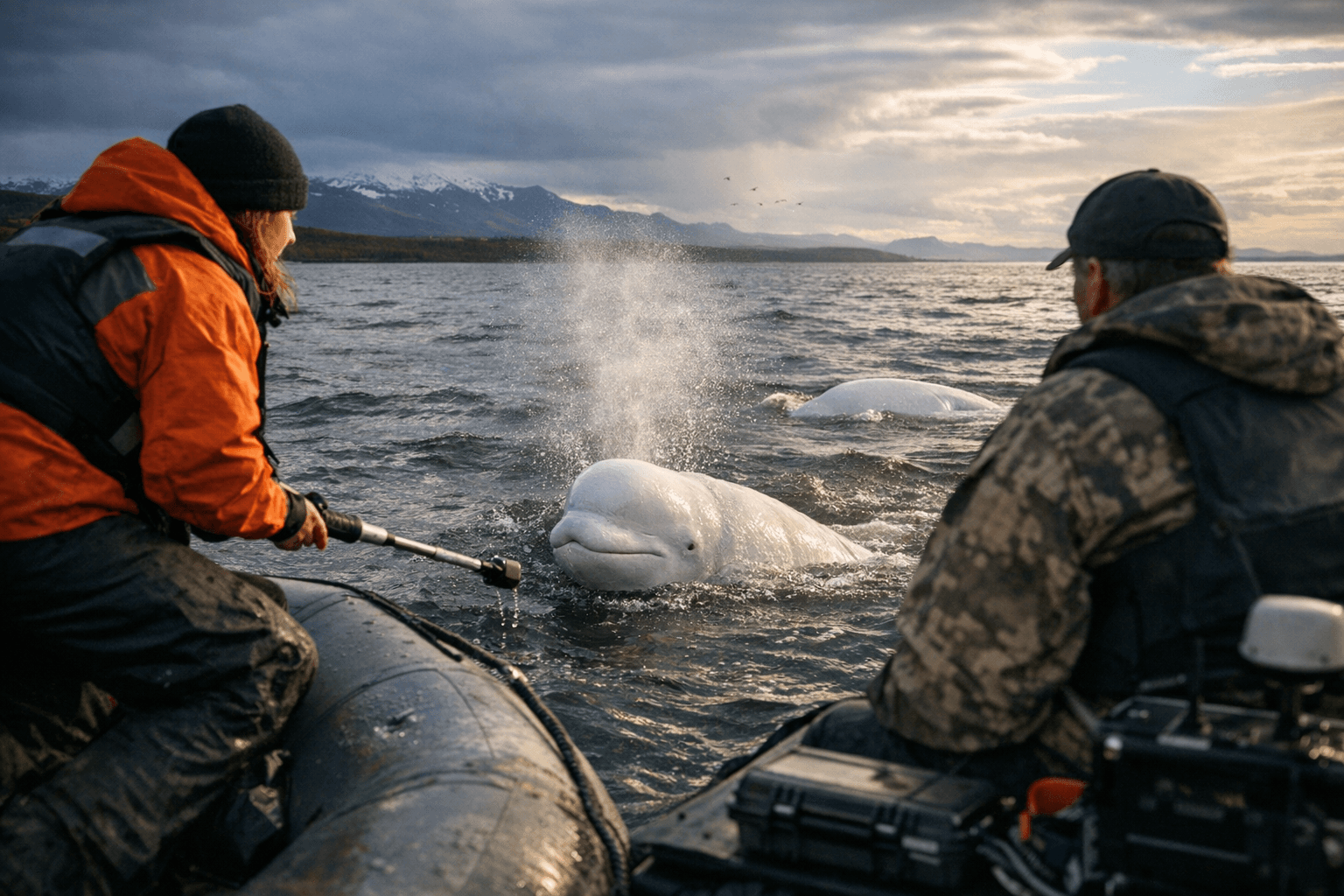
For North Slope hunters, managers, and village leaders, the study offers cautious optimism: behavioral mating patterns are helping to spread genetic risk, which may support the short-term resilience of Bristol Bay belugas. However, behavioral strategies alone do not eliminate threats from habitat change, shifting sea ice and prey distributions, and other human pressures.
What comes next for readers is continued engagement. Co-management agencies and village biologists will need to sustain genetic and behavioral monitoring, prioritize sampling where subsistence harvest intersects research, and fold genetic findings into local management plans. The study points toward a route for managing belugas that blends traditional knowledge, community sampling, and modern genetics to keep subsistence stocks productive and resilient.
Know something we missed? Have a correction or additional information?
Submit a Tip
