Arctic Cold Snap Brings Life-Threatening Wind Chills to North Slope
A severe cold event on Jan. 1-2 produced wind chill readings as low as -64°F across North Slope locations, creating immediate dangers of frostbite, hypothermia and strain on local services. The extreme conditions highlight persistent public health and infrastructure vulnerabilities in remote communities, especially for elders, subsistence hunters and households with limited heating resources.
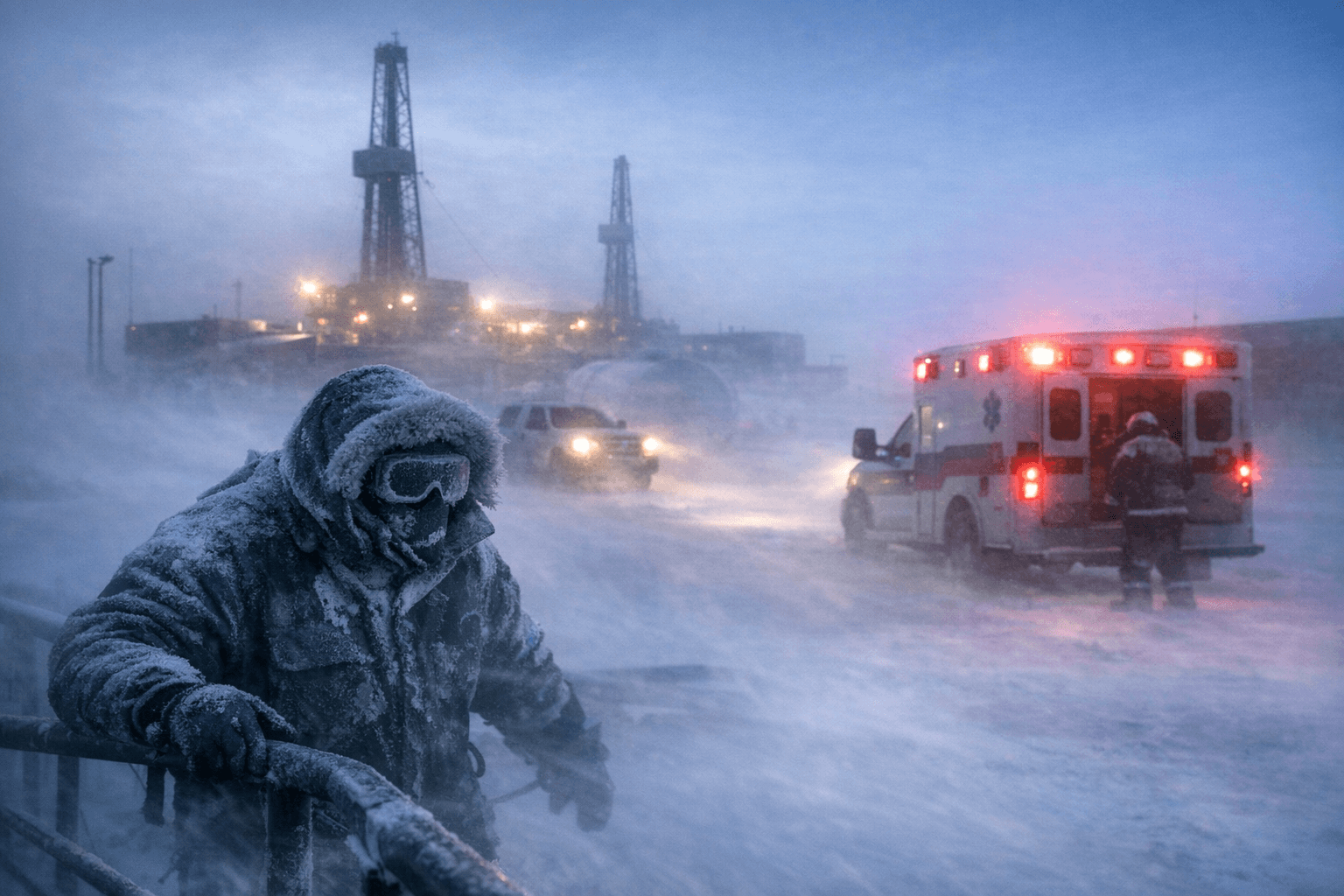
An extreme cold snap struck North Slope communities in the first days of January, delivering wind chill readings that reached dangerously low levels and posing acute health risks across the region. Temperatures and wind chills recorded between Jan. 1 and Jan. 2 included a wind chill of -64°F at Umiat Airfield Raws at 2:23 a.m., -63°F at Deadhorse at 1:53 a.m., -62°F at Point Thompson at 2:55 p.m., and -51°F at Anaktuvuk Pass at 2:56 p.m. A maritime observation at Prudhoe Bay registered a -60°F wind chill at 6:48 p.m. on Jan. 1. These readings reflect conditions that can cause frostbite in minutes and rapid onset hypothermia without proper protection.
For residents of the North Slope Borough, the immediate public health implications are stark. Prolonged exposure outdoors during such events increases emergency room visits and search-and-rescue missions for stranded drivers and hunters. Individuals with chronic heart or lung disease face higher risk of complications, and infants, elders and people with mobility or housing insecurity are especially vulnerable. In remote villages, limited access to medical facilities and long travel distances to higher-level care mean that prevention and local response capacity are critical.
The cold snap also underscores systemic issues tied to social equity. Housing quality and heating reliability vary widely; inadequate insulation, aging furnaces and fuel affordability make it harder for low-income families to stay warm. Subsistence hunters who travel across sea ice and tundra remain at heightened risk during sudden temperature drops and amplified winds. Infrastructure fragility, including the potential for frozen plumbing and power interruptions, further concentrates harm on those with fewer resources to adapt.
Local health providers, tribal entities and borough emergency managers must balance immediate patient care with preventive outreach. Outreach to elders, distribution of warming supplies, and coordinated checks on isolated households reduce acute harms, while maintaining clinic readiness for hypothermia and frostbite cases is essential. Over the longer term, the event points to the need for sustained investment in housing improvements, reliable heating fuel programs, emergency communications and transport resilience to protect remote populations.
As residents recover from the freeze, the episode should prompt renewed attention from municipal, state and federal policymakers to close gaps in rural health access and climate resilience. Strengthening community-led preparedness and addressing the economic barriers to safe heating will reduce disproportionate impacts when future cold events arrive.
Know something we missed? Have a correction or additional information?
Submit a Tip
