Arctic Jet Stream Shift Brings Alaska's Coldest Winter Since 1980
A complex polar vortex pattern driven by warm anomalies pushed north into the Arctic, producing December 2025 temperatures that were among the coldest across Alaska since 1980. Analysis of federal and international climate and weather station data shows significant monthly temperature departures and minimums that have immediate implications for North Slope Borough residents, infrastructure and local services.
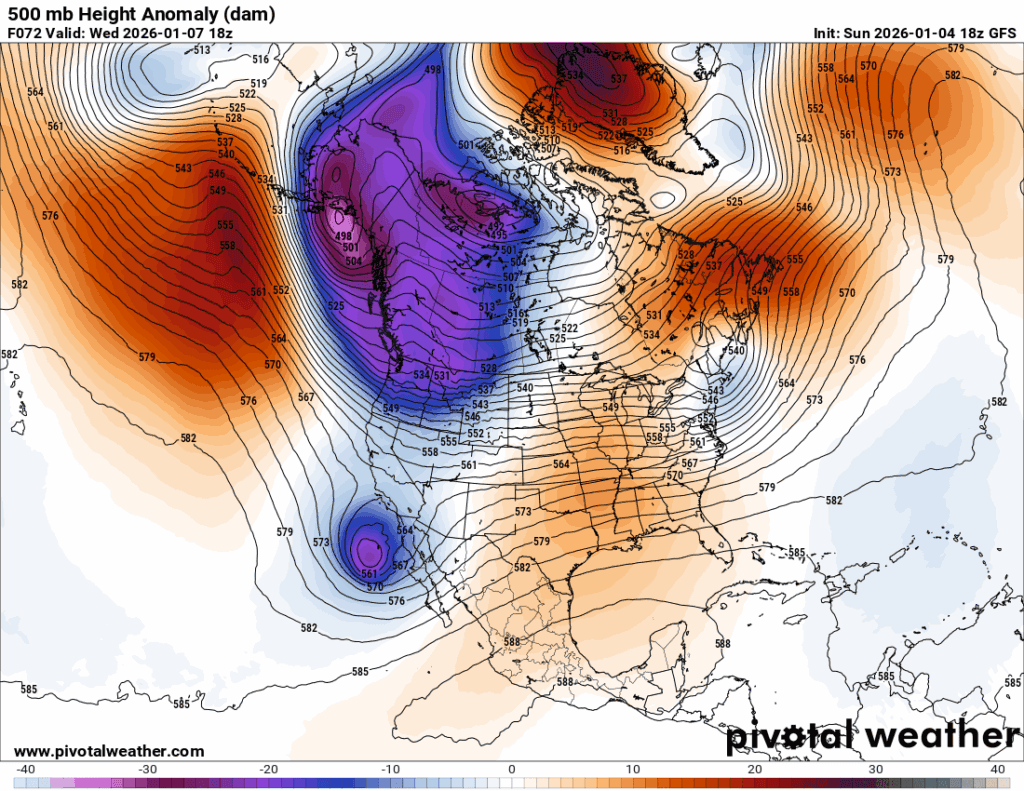
Alaska experienced an exceptional cold spell in December 2025 tied to a convoluted polar vortex influenced by northward-moving warm pocket anomalies. That weather configuration produced statewide extremes significant enough to be described as the coldest temperatures in Alaska since 1980. The pattern persisted into early January 2026 and was documented in charts and temperature summaries compiled from multiple official observing networks.
The analysis underpinning those findings drew on data from the National Oceanic and Atmospheric Administration and National Weather Service, Federal Aviation Administration observation sites, Bureau of Land Management monitors and Environment Canada stations. It included plotted climate site records for Anchorage, Fairbanks and Utqiaġvik and produced maps and figures showing monthly average temperature departures and recorded minimum temperatures, along with a catalog of extreme temperature events through early January 2026. The summary materials also referenced Rick Thoman’s Alaska December 2025 Temperature Summary and described the sequence of departures from normal across the state.
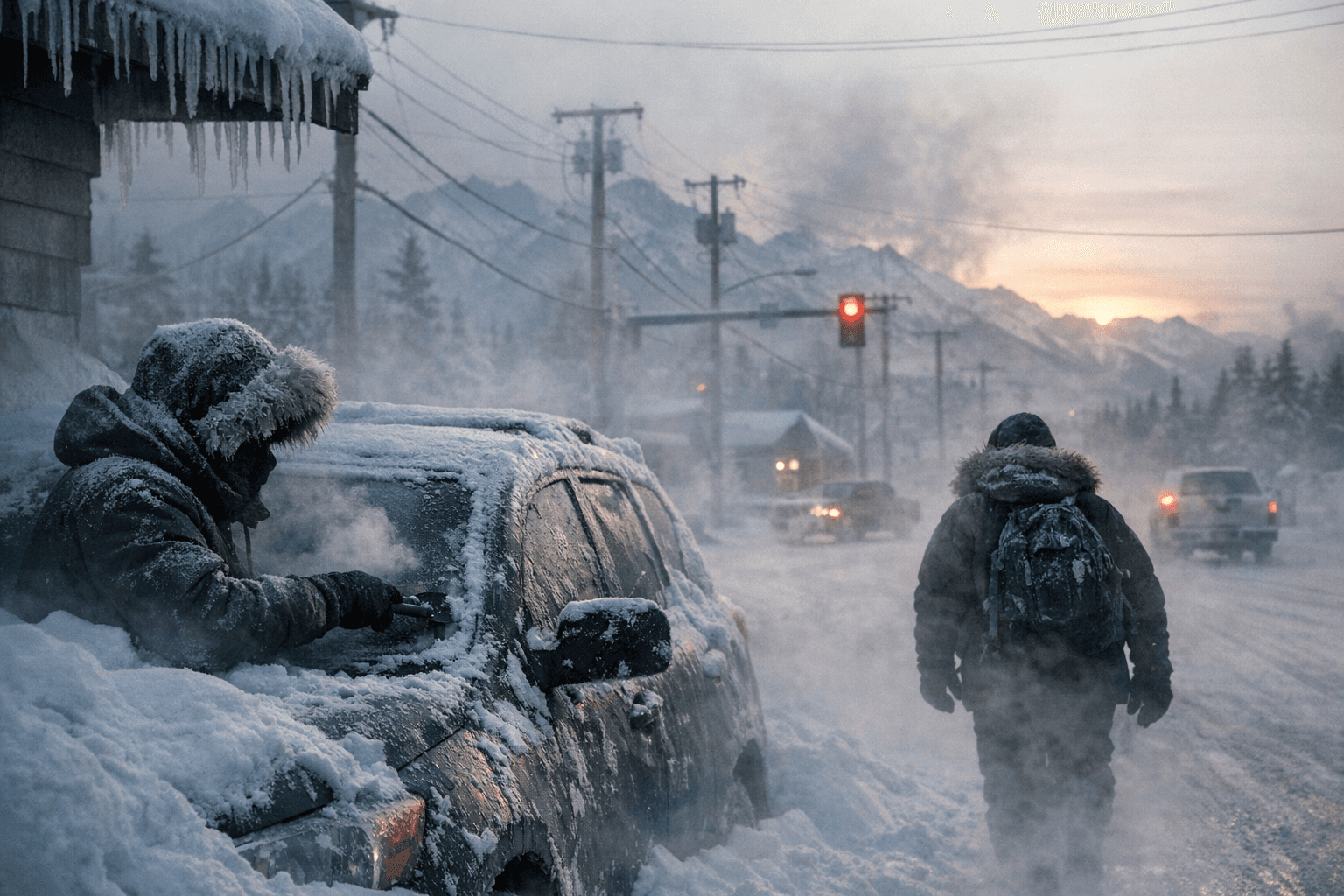
For the North Slope Borough, where Utqiaġvik and other coastal communities serve as critical observation and logistics hubs, the cold snap carries immediate public safety and operational consequences. Extended periods of extreme cold increase heating demand, strain fuel logistics and complicate transportation. Aviation operations, which rely on FAA observation and runway conditions, face heightened risk when minimum temperatures and weather extremes coincide. Subsistence hunting and travel across sea ice and tundra become more hazardous when temperatures diverge sharply from seasonal norms, affecting food security and community routines.
Beyond short-term impacts, the juxtaposition of extreme cold with an Arctic system altered by warm anomalies highlights institutional planning challenges. Emergency management, public works and health services must reconcile near-term response needs with longer term infrastructure resilience planning. Permafrost and built environment systems are subject to stress from increased thermal variability, and utility and fuel storage strategies must account for both rapid warming episodes and severe cold spells.
Local officials, tribal leadership and regional agencies should review the compiled observations from federal and international networks to update preparedness protocols, energy contingency plans and transportation contingencies. Transparent use of the NOAA, FAA, BLM and Environment Canada datasets will be essential to align resource allocations and communication to residents. The December 2025 events underscore the need for data-driven planning and sustained investment in community resilience across the North Slope Borough.
Know something we missed? Have a correction or additional information?
Submit a Tip
