Arctic Report Card Shows Record Warming, Risks for North Slope
The 20th Arctic Report Card found the Arctic experienced its warmest annual period since at least 1900 from October 2024 to September 2025, with spring 2025 setting a record high for spring precipitation. The findings signal rising risks for North Slope communities through permafrost thaw, flooding from extreme precipitation and atmospheric rivers, and accelerating glacier loss, all of which carry direct costs for local infrastructure and emergency response.
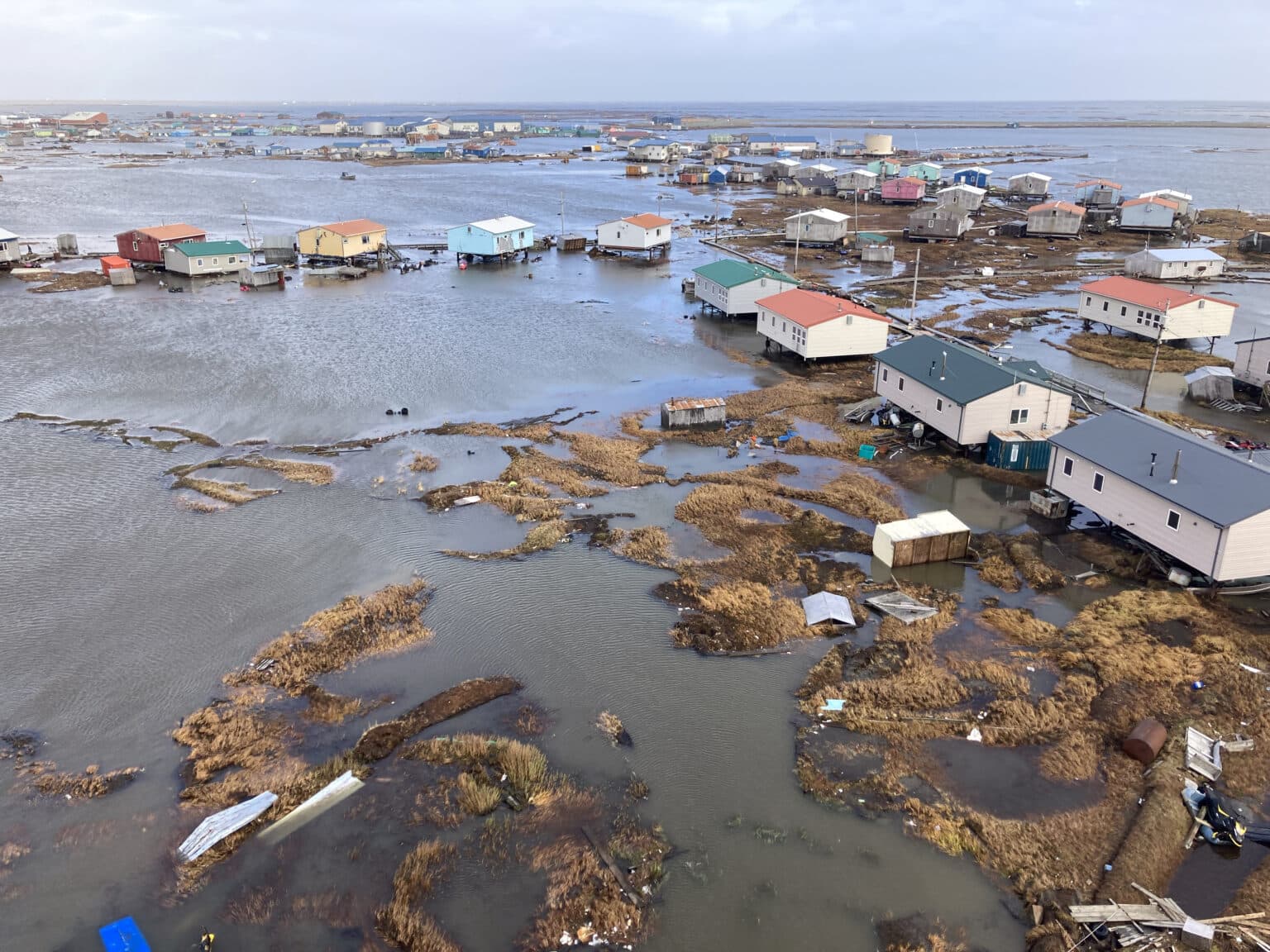
Federal and university scientists released the 20th Arctic Report Card covering October 2024 to September 2025 and documented persistent warming across the region, with the Arctic recording its warmest annual period since at least 1900. Spring 2025 set a record for spring precipitation, and investigators noted an increase in extreme precipitation events and atmospheric rivers affecting Alaska. Those events contributed to flooding and storm impacts in several communities during the covered period.
Researchers documented ecological and geophysical shifts that matter locally. Tundra greenness increased and woody shrubs expanded, changes that alter habitat and subsistence resources. Rivers across the Arctic exhibited widespread rusting, turning orange as iron was released from thawing permafrost. Glacier and ice cap loss accelerated, reducing long term freshwater storage and reshaping coastal and riverine dynamics. The study links these physical changes to stress on ecosystems and infrastructure across the region.
University of Alaska Fairbanks researchers contributed essays and data and were listed as lead authors and coauthors on topics including surface air temperature, Atlantification of ocean waters, glaciers and ice caps, precipitation trends, and tundra greenness. UAF scientists are scheduled to participate in a press availability associated with upcoming American Geophysical Union events to discuss the Report Card findings and implications.
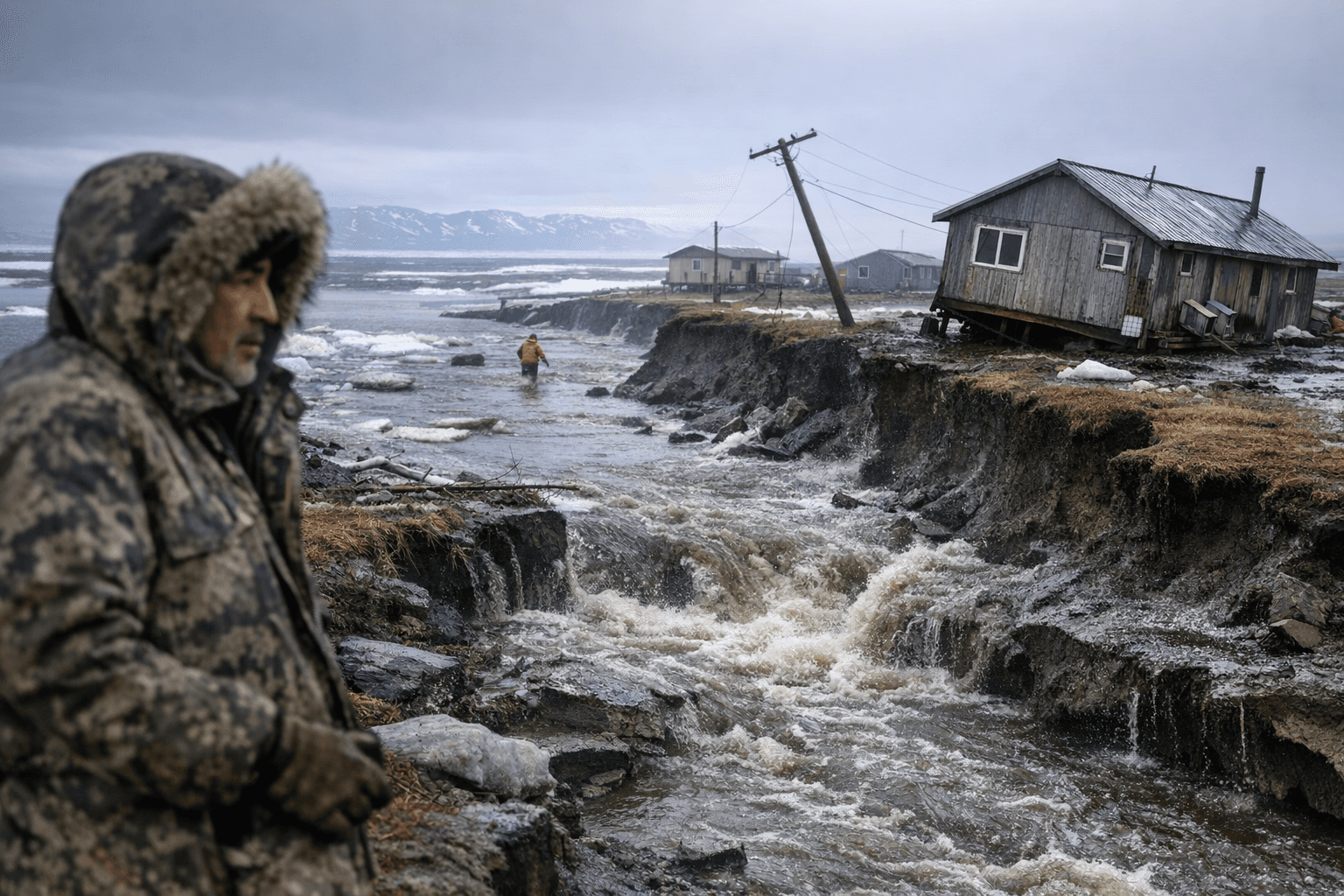
For North Slope Borough residents the Report Card underlines immediate and medium term risks. Permafrost thaw can undermine roads, runways, utility lines, and community buildings, increasing maintenance and replacement costs for municipal budgets. Greater frequency and intensity of extreme precipitation and atmospheric rivers raise the prospect of more frequent flood responses and higher emergency management spending. Changes in river chemistry and flow can affect local subsistence uses and water quality management.
Economically, these trends imply rising infrastructure spending, potential insurance market pressure, and a greater need for investment in climate resilient infrastructure and enhanced disaster response capacity, priorities highlighted by the report. Policymakers at the borough level will need to weigh options for updated hazard mapping, expanded monitoring with UAF and federal partners, and targeted funding strategies to limit longer term fiscal and social costs as the Arctic continues to warm.
Know something we missed? Have a correction or additional information?
Submit a Tip
