Arctic warming linked to surge in North Slope tundra fires, study finds
A University of Alaska Fairbanks research article published Dec. 16, 2025 found that tundra and upland fires on the North Slope were unusually active in the 20th and 21st centuries compared with the millennial record. The findings matter to local residents because increased burning, tied to warming and changing vegetation, threatens permafrost, subsistence lands, infrastructure and local air quality.
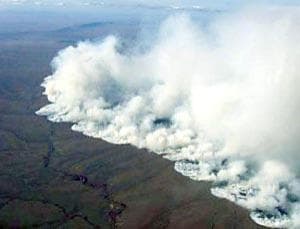
University of Alaska Fairbanks researchers reconstructed centuries to millennia of burning on Alaska's North Slope and found a notable rise in tundra and upland fire activity in the 20th and 21st centuries. Using lake sediment charcoal and other paleofire proxies the team compared recent fire frequency and intensity with a long term record and identified trends that align with regional climate warming and shifts in vegetation cover.
The methods allowed the researchers to place modern fire activity in a deep time context. Lake sediment charcoal accumulates slowly and preserves evidence of past fires, while complementary proxies helped the team distinguish tundra burning from upland and forest fires. That long view showed that the recent uptick in fires is unusual when set beside the millennial background, not simply a short term fluctuation.
For North Slope Borough residents the study underscores concrete risks that extend beyond ecological change. More frequent or larger late season fires can accelerate permafrost thaw, undermining roads, buildings and other infrastructure that communities rely on. Changes to vegetation and the timing of burns can alter habitat and food sources relied upon for subsistence harvests, affecting hunting and gathering patterns that are central to local food security and cultural life. Increased smoke from fires also poses acute and chronic threats to respiratory health in villages and communities across the region.

The report highlights the potential for these trends to continue as Arctic temperatures rise, and it calls for continued monitoring and for integrating fire risk into community planning and emergency response. For the North Slope that means strengthening smoke and fire surveillance, prioritizing assessments of permafrost and infrastructure vulnerability, and ensuring emergency systems reflect seasonal shifts in fire behavior.
Addressing the problem will require coordination across local governments, tribal organizations, state agencies and federal partners, with attention to equity so that smaller and remote communities receive resources for preparedness and recovery. Continued scientific monitoring paired with community led planning can help reduce harm and preserve subsistence lifeways as the Arctic climate changes.
Know something we missed? Have a correction or additional information?
Submit a Tip
