Energy Secretary backs Alaska LNG, calls pipeline top infrastructure priority
Chris Wright’s Alaska LNG endorsement gave the project a federal boost, but the 800-mile pipeline still lacks a financing plan.
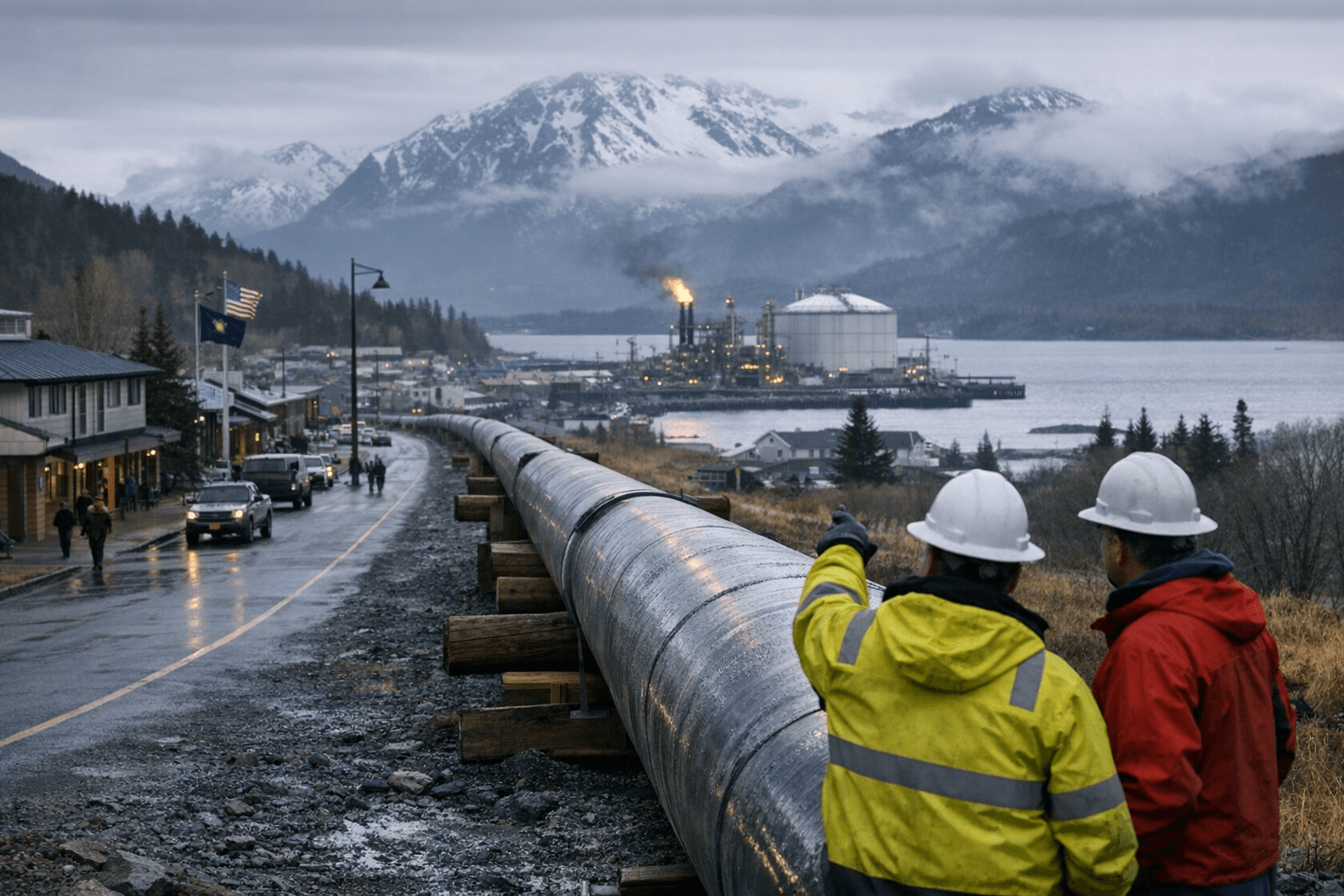
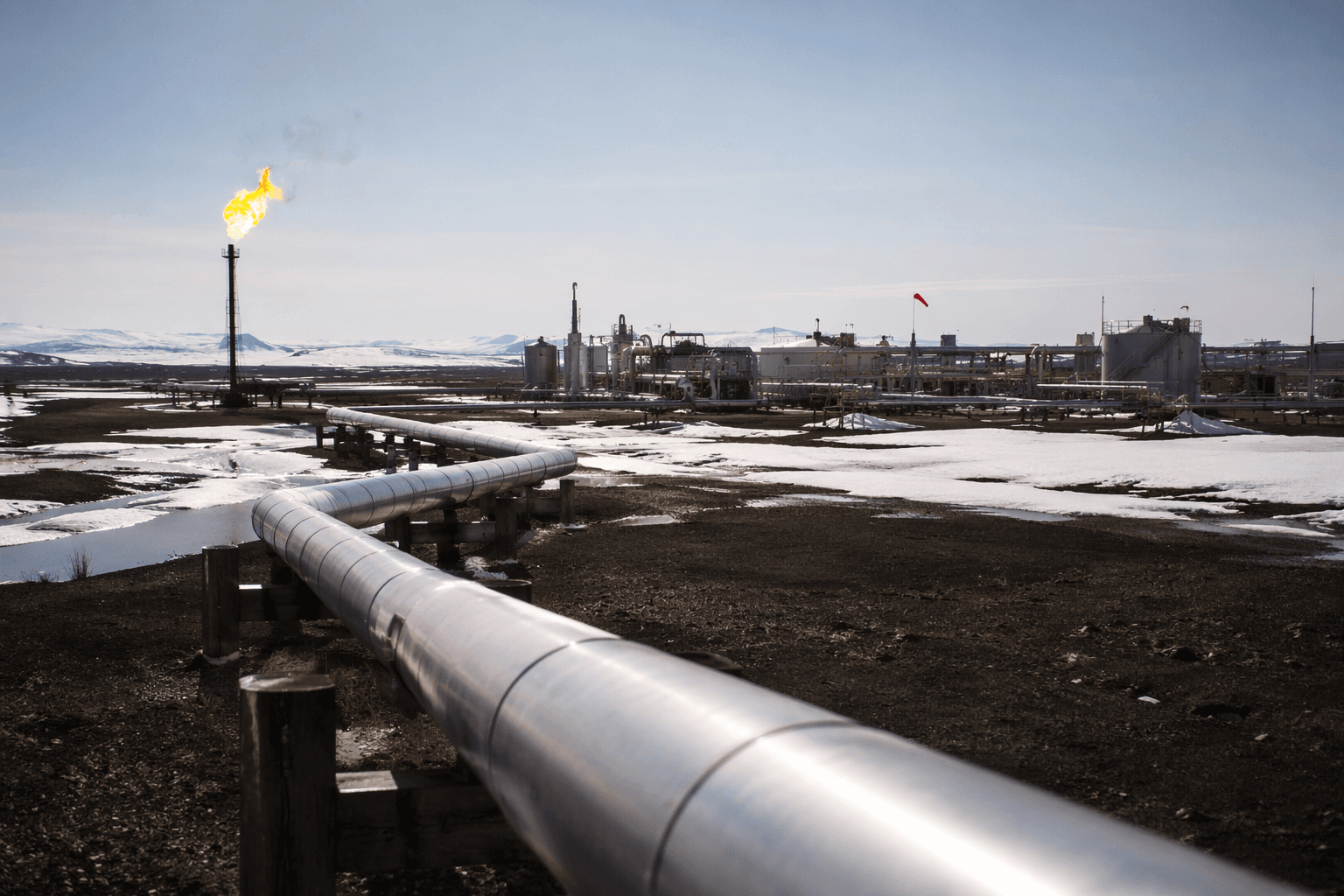
The federal backing did not solve the hardest part of Alaska LNG: how to pay for the 800-mile pipeline that would start on the North Slope and carry gas to market. U.S. Energy Secretary Chris Wright told a Senate hearing on April 21 that the project was his top infrastructure priority, but he also made clear that the export terminal cannot move ahead financially until the line itself is built.
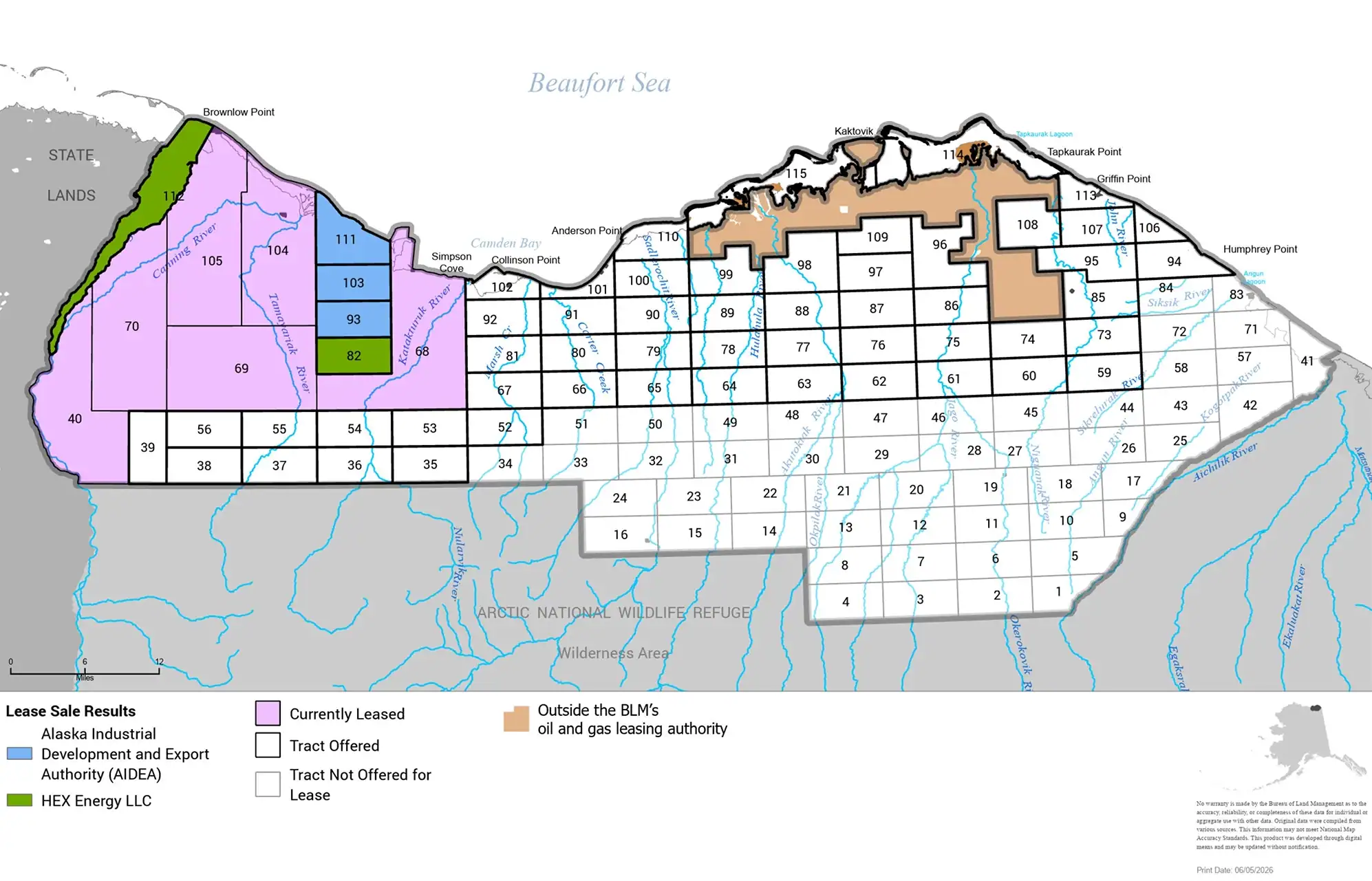
That matters in places like Prudhoe Bay, Point Thomson and across the North Slope because the project has long been pitched as one of the few ways to move large volumes of North Slope gas out of the ground and into revenue instead of reinjection. For borough residents, contractors and local government, the prize is not just a pipeline on a map. It is years of construction work, port and industrial activity, and a future tax base that could rise only if the project gets through financing, permitting and final investment decisions. Wright also tied the project to two markets at once, Alaska communities facing a gas shortfall and Asian allies that rely on shipments moving through the Strait of Hormuz.
The project’s current form is being advanced by Glenfarne, which says 8 Star Alaska LLC is 75% owned by Glenfarne and 25% owned by the state through the Alaska Gasline Development Corporation. Glenfarne says Phase One is a 739-mile, 42-inch pipeline aimed at domestic demand, with mechanical completion targeted for 2028 and first gas in 2029. Phase Two would add LNG export facilities with capacity of 20 million tonnes per annum. On Jan. 22, Glenfarne said it had reached milestones on construction, line-pipe supply and in-state gas agreements, and it provisionally named Worley as the EPCM provider for Phase One.
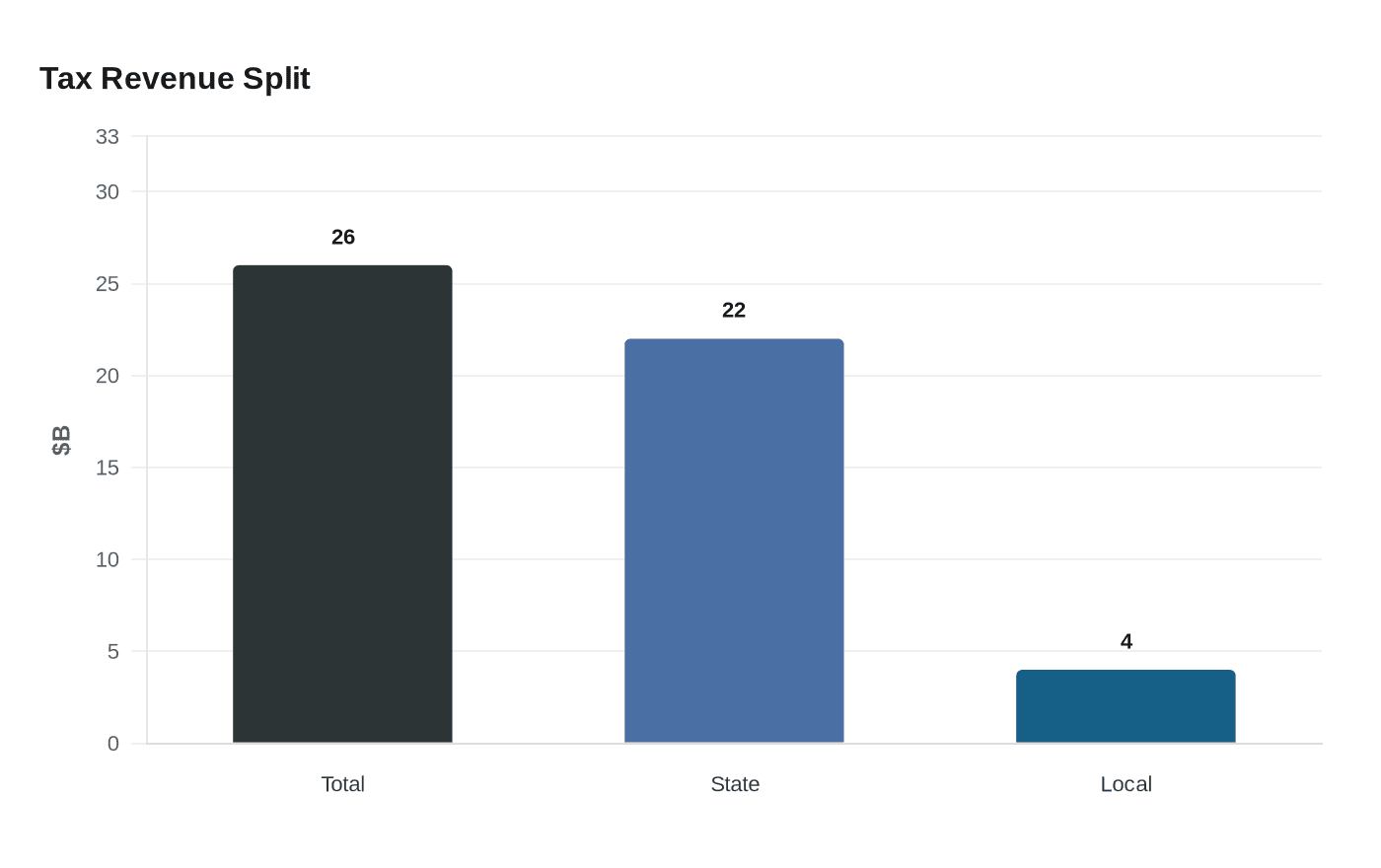
Even with those milestones, the money problem remains. Alaska Gasline Development Corp. estimated the project would cost $38.7 billion in 2020, and other estimates are higher. Gov. Mike Dunleavy has tried to make the deal more financeable by introducing SB 280 and HB 381 on March 20 to replace the current 20-mill property tax with a volumetric tax based on gas throughput. His administration says the change could generate more than $26 billion in tax and royalty revenue over 30 years, including more than $22 billion for the state and nearly $4 billion for local governments.
But the tax push has already drawn resistance from local officials. On March 31, the mayors of the five boroughs hosting project elements warned that the proposal could shift costs onto local taxpayers. Kenai Peninsula Borough Mayor Peter Micciche said the liquefaction plant would be the most expensive part of the project and could force residents to subsidize it through higher service costs. North Slope Borough Mayor Josiah Aullaqsruaq Patkotak warned that a gasline tax break could set a precedent that weakens future oil and gas property tax revenue.
Lawmakers are also pressing for more oversight. Sen. Cathy Giessel introduced SB 275 on March 17 to give legislators and staff access to nonpublic cost and financial information under nondisclosure agreements and to require disclosure of major investors and gas buyers. That leaves Alaska LNG politically alive and technically advancing, but still dependent on a financing structure that has yet to land.
This article was produced by Prism’s automated news system from verified source data, official records, and press releases, then run through automated quality and moderation checks before publishing. The system is built and supervised by the people who set the standards it runs under. Read our full AI policy.
Did this article answer your question?