Kaktovik mayor backs Arctic refuge drilling, Gwich'in warn of caribou harm
Kaktovik and North Slope leaders are betting on ANWR drilling for jobs and borough revenue, while Gwich'in warn the Porcupine caribou herd could pay the price.
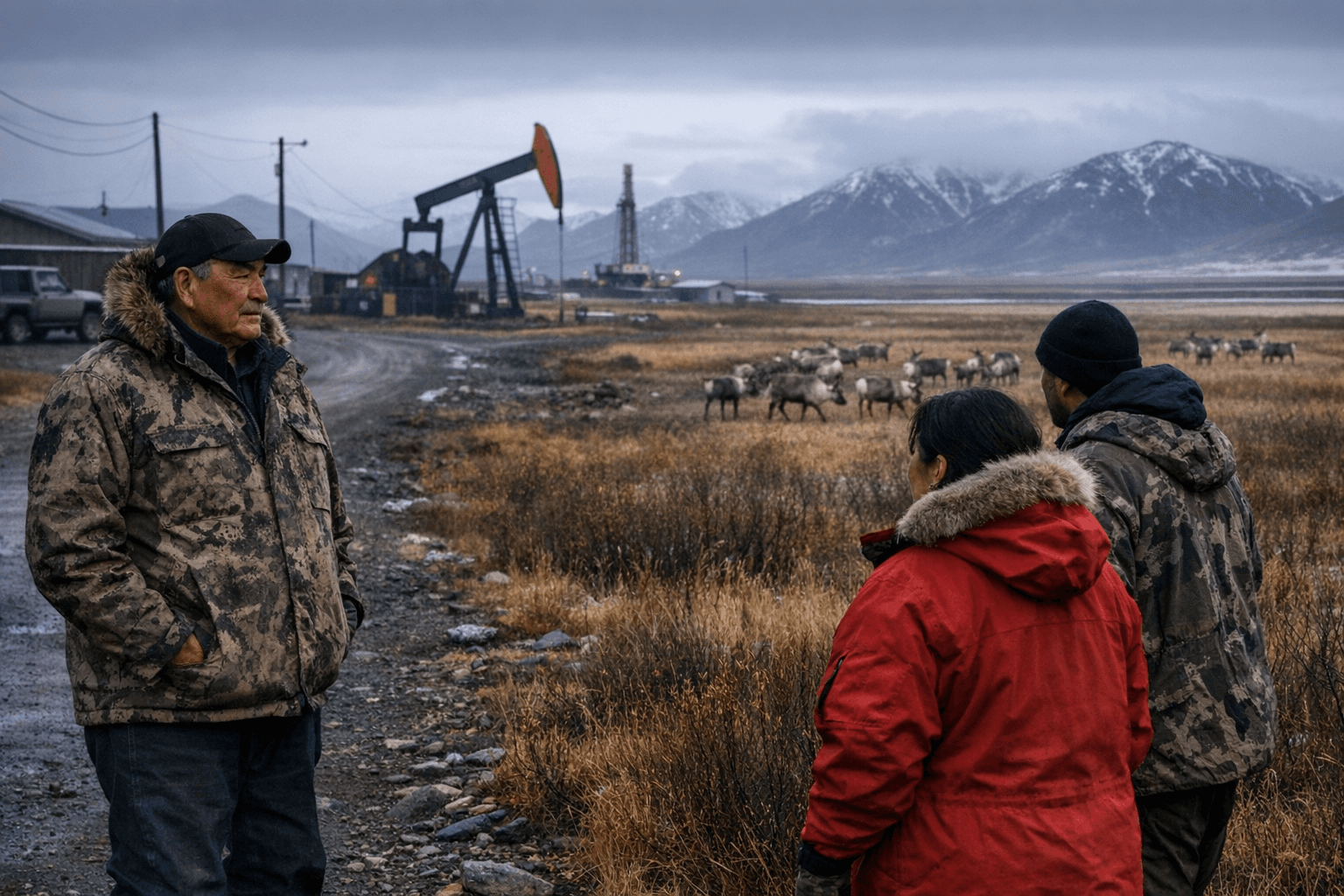
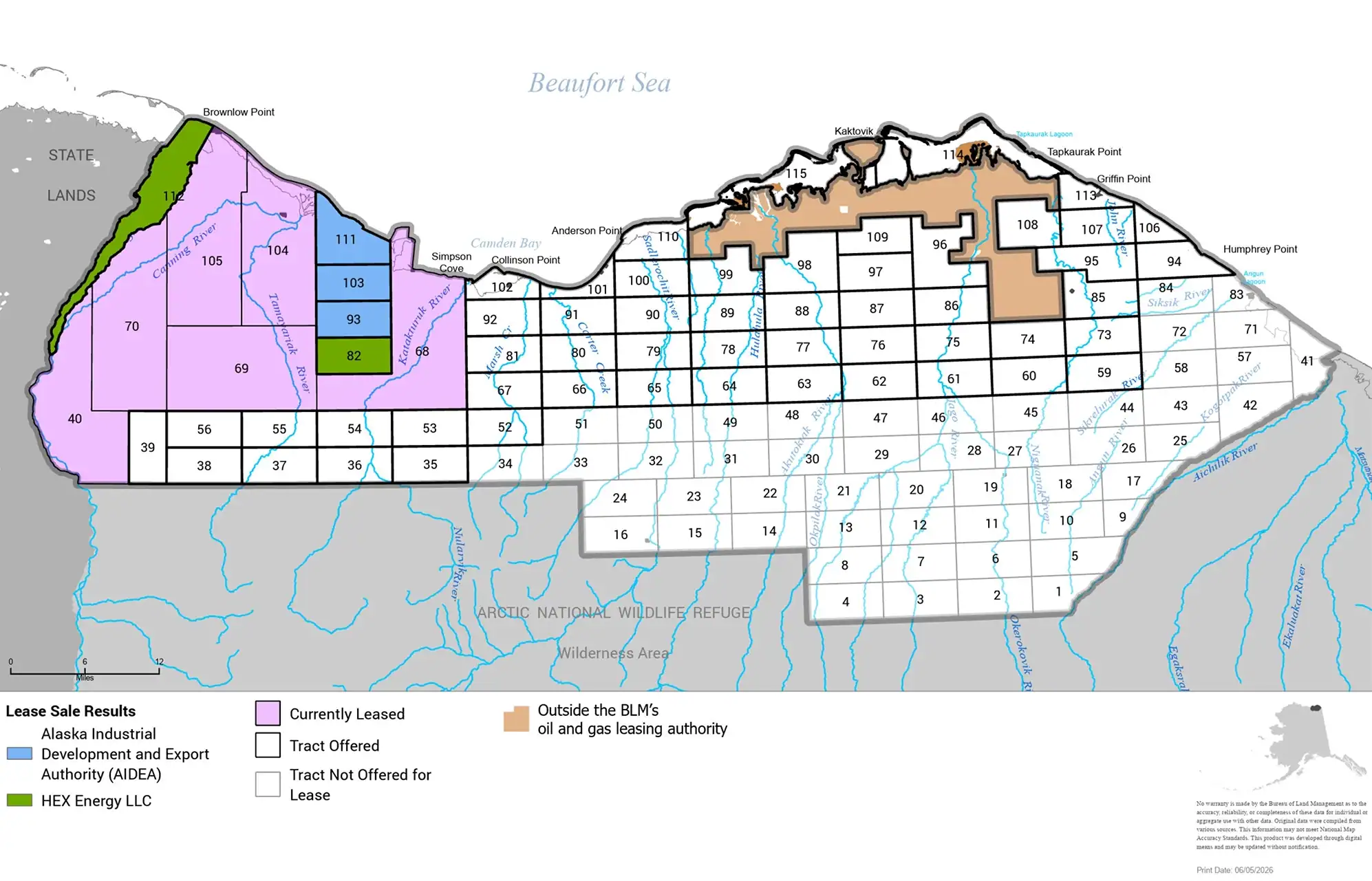
North Slope Borough leaders and officials tied to Kaktovik are once again backing Arctic refuge drilling, arguing the coastal plain could bring jobs, lease money and oil-tax revenue into a borough where energy still underwrites basic services. The fight has become a direct local balance sheet question: whether development in the Arctic National Wildlife Refuge will strengthen Kaktovik and the North Slope, or place the Porcupine Caribou Herd’s calving grounds at greater risk.
Kaktovik, the only community inside ANWR, sits at the center of that split. Alaska Public Media has reported that the North Slope Borough, Arctic Slope Regional Corp., Kaktovik Inupiat Corp. and Voice of Arctic Iñupiat have supported drilling, framing the issue as self-determination for Iñupiat communities. Supporters say oil taxes help sustain essential services in the northernmost borough, and Alaska officials have long argued the refuge could deliver jobs and wider economic gains.
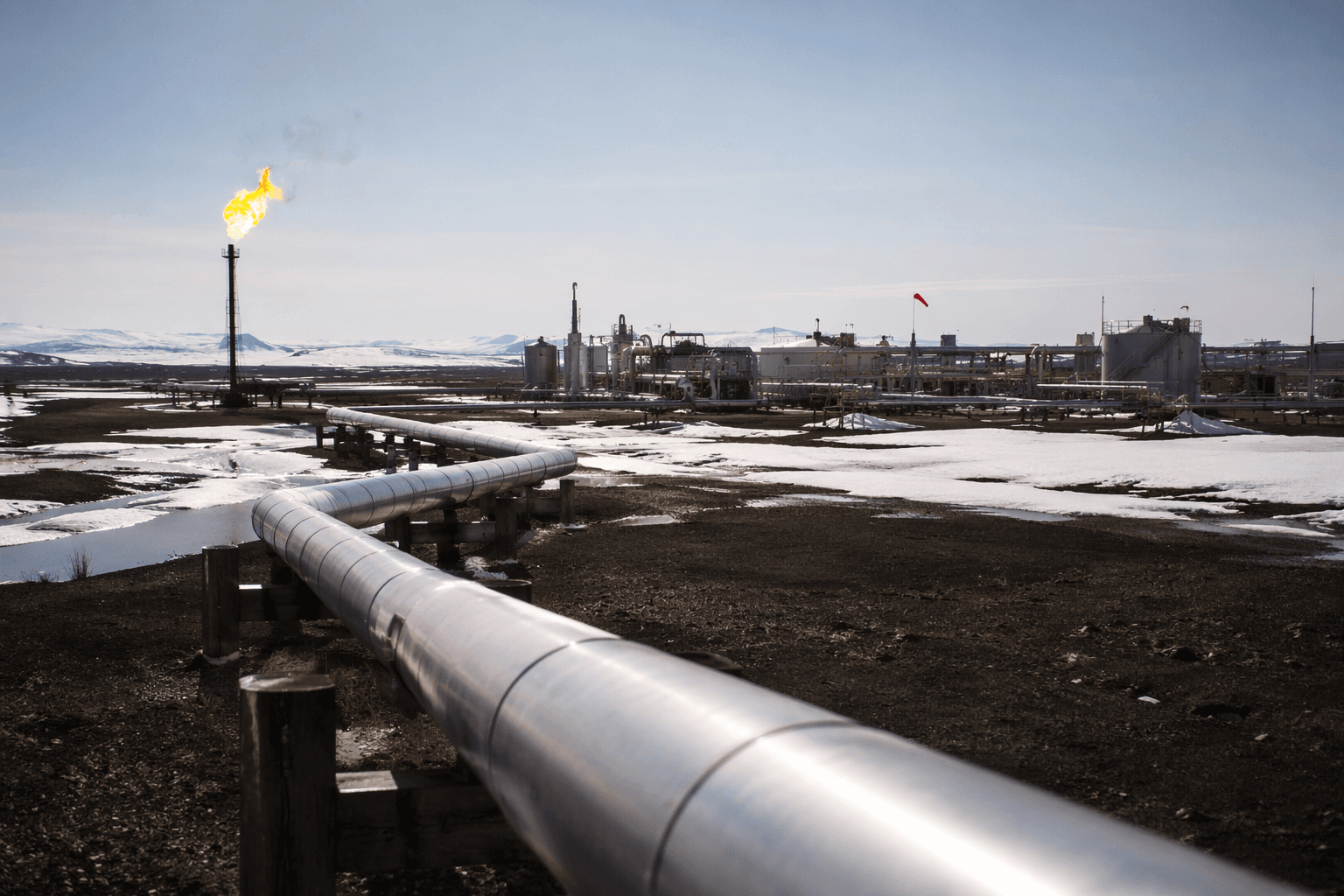
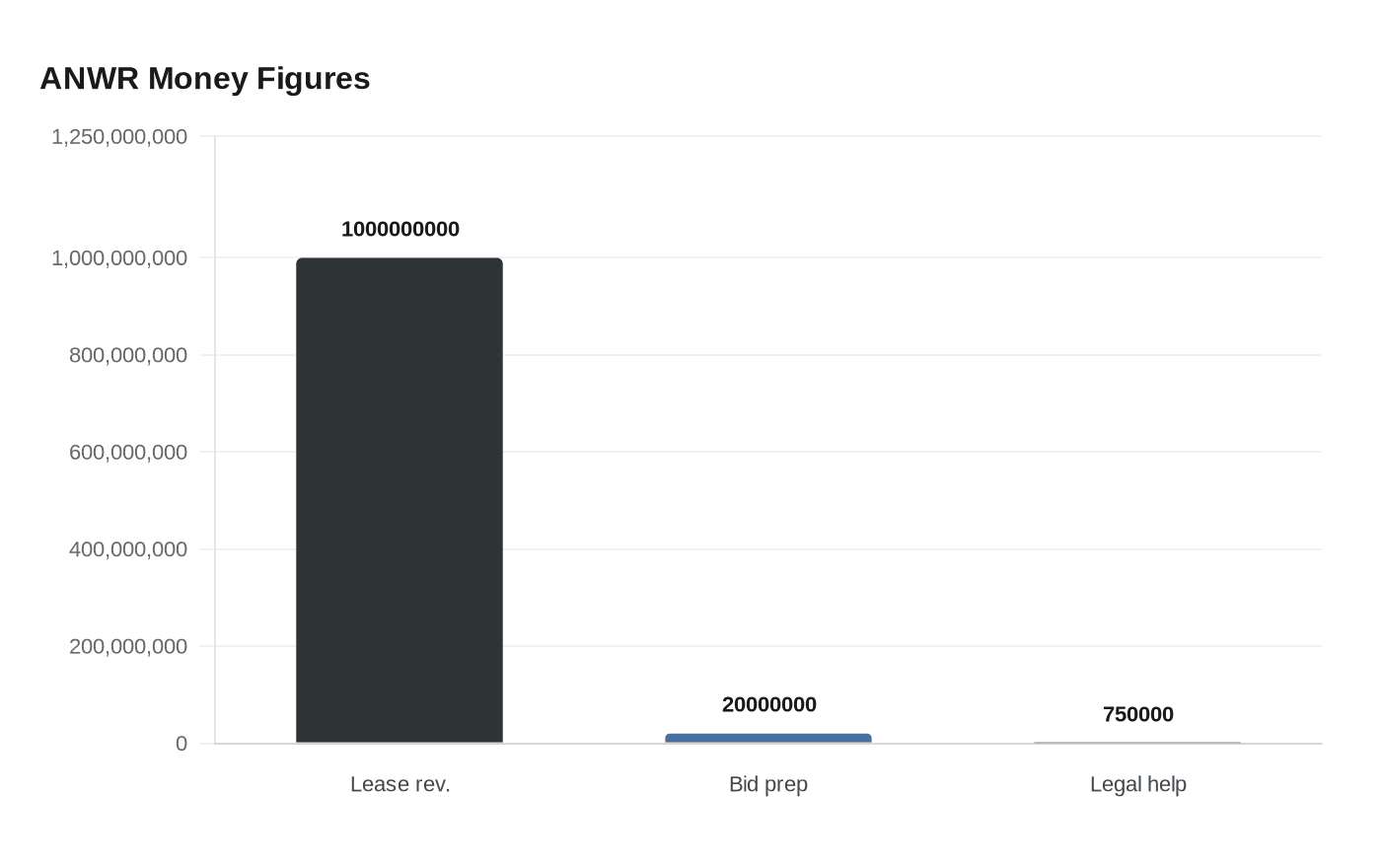
The stakes are not theoretical. In January 2025, Alaska Public Media reported the state expected more than $1 billion in lease revenues, plus royalty payments and indirect economic benefits, from ANWR development. The state-owned Alaska Industrial Development and Export Authority voted in late 2024 to spend up to $20 million to prepare a possible bid, then approved up to $750,000 more for legal help tied to ANWR and the Ambler Road. For a region still heavily dependent on oil infrastructure, those investments signal how much state and local officials are willing to wager on the refuge.
The federal government has reopened the door again. The Bureau of Land Management issued a call for nominations on Feb. 4, 2026, and opened a 30-day public comment period for the next lease sale, the first of four sales required through 2035 under the One Big Beautiful Bill Act signed in July 2025. Each sale must offer at least 400,000 acres. After Interior reversed Biden-era protections in October 2025, the department said the refuge’s entire 1.56-million-acre coastal plain was open to leasing.
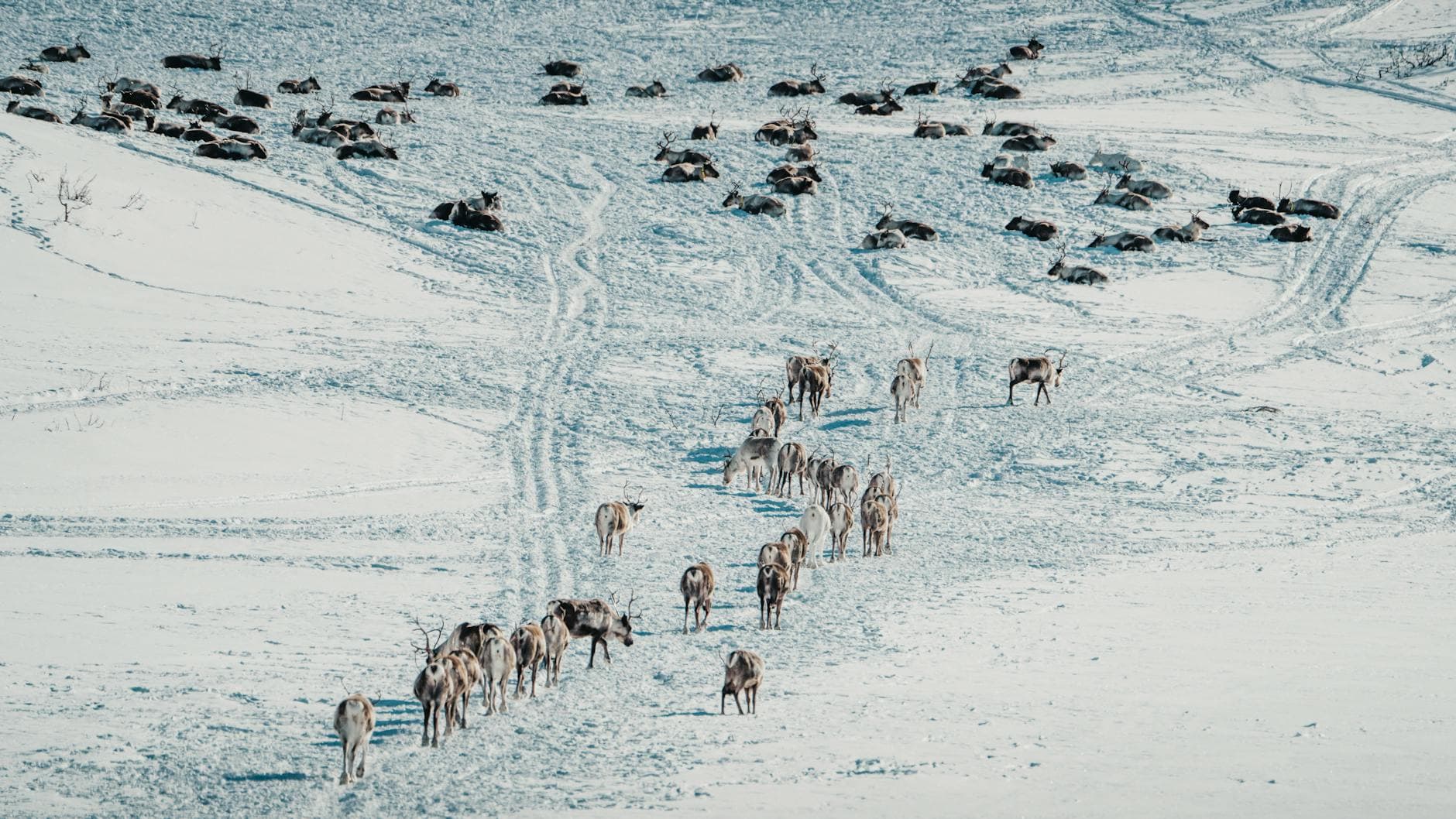
But the recent record has not inspired confidence among critics or industry. The first ANWR lease sale, held Jan. 6, 2021, drew little bidding and no major oil company bids, with most activity coming from AIDEA. A second sale in January 2025 drew no bids at all. Interior said the lack of bids reinforced its view that drilling in ANWR was bad policy, while Gwich'in Athabascan communities near the southern edge of the refuge continued to argue that any lease sale threatens the Porcupine Caribou Herd and the calving grounds their villages depend on. The next sale will test whether the refuge can finally produce the revenue and activity supporters have promised, or whether the political divide is also an economic dead end.
This article was produced by Prism’s automated news system from verified source data, official records, and press releases, then run through automated quality and moderation checks before publishing. The system is built and supervised by the people who set the standards it runs under. Read our full AI policy.
Did this article answer your question?